Merchant Fleet Readiness Is an Economic Security Test

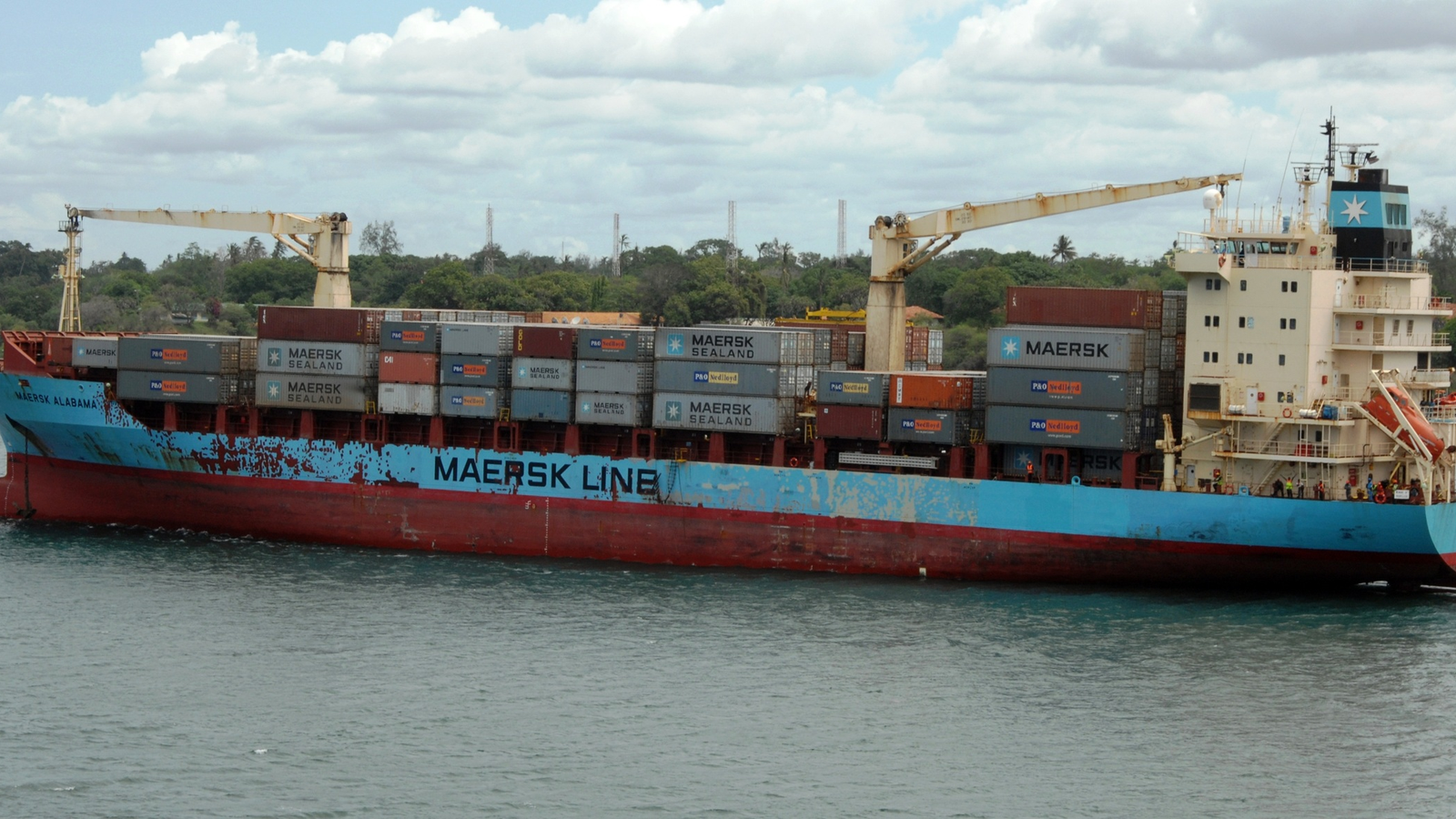
A federal dashboard counts 190 large ocean going US flag merchant vessels as of August 2026
America’s merchant fleet belongs in the economic security debate alongside factories, energy infrastructure and transportation networks. The Maritime Administration’s August 2026 dashboard counts 190 U.S.-flag merchant vessels within its defined large, ocean-going category. The number offers a starting point for scrutiny, but national readiness depends on the kinds of ships available, the crews who operate them and the commercial system supporting them.
The dashboard does not count every boat registered in the United States. It covers self-propelled, ocean-going merchant vessels of at least 1,000 gross tons. Keeping that scope visible prevents an important figure from becoming a misleading claim about the entire American maritime economy. Coastal craft, smaller vessels and other maritime assets require different measures and may serve very different purposes.
Capacity has several dimensions
MARAD’s dashboard lists 190 vessels as of August 2026 and breaks them into ship types. Tankers account for 76 and containerships for 59. It also identifies 168 vessels as militarily useful and shows participation in several federal programs. These classifications help explain the fleet’s composition. Program categories can overlap and should not be added together as though each represents a separate set of ships.
A tanker cannot simply substitute for a vessel designed to carry vehicles or containers. Cargo handling systems, port access and operational requirements all influence usefulness. A serious readiness assessment should therefore identify the mission and the suitable capacity available for it. A fleet count alone leaves unanswered whether the right ship could reach the right port with the required cargo when circumstances change.
The Maritime Security Program maintains a set of commercially viable, militarily useful ships active in international trade. MARAD describes 60 operating agreements within the program. Its model connects commercial activity with an emergency capability. That purpose provides a basis for evaluating public support, while leaving open the practical question of whether particular agreements deliver adequate value and usable availability.
Tie support to performance
Conservative maritime policy should ask what capability taxpayers purchase and how it is verified. Contracts and program rules should make obligations understandable, including the conditions under which vessels and supporting services must be available. Officials should also explain the assumptions behind readiness claims. Capacity that exists in a spreadsheet may face maintenance, crewing or operational constraints when called upon.
Workforce preparation is part of that assessment. A ship needs qualified personnel, and a maritime career needs a credible route from training into paid work. Publicly supported training should be connected to documented requirements and employment outcomes. Industry also needs to contribute to the pipeline it expects to use. Announcing additional vessels without examining the people required to operate them would leave an obvious gap.
The commercial environment deserves attention as well. An ocean-going fleet needs customers, reliable ports, maintenance services and financing. Policies intended to strengthen domestic capacity should be evaluated for their effects on those relationships and on shippers who pay the bill. Lawmakers should ask which costs purchase a defensible security benefit and which reflect avoidable inefficiency. Those questions are compatible with recognizing the strategic value of an American maritime base.
The 190-vessel dashboard is useful because it turns a broad concern into a defined set of assets that can be examined. It does not settle every argument about shipbuilding or shipping law. The next step is a mission-specific account of readiness and cost. A stronger fleet policy would show how commercial operations, trained crews and clear public obligations combine to deliver capacity the country can actually use.