

Redmond firefighters appeal vaccine accommodation ruling

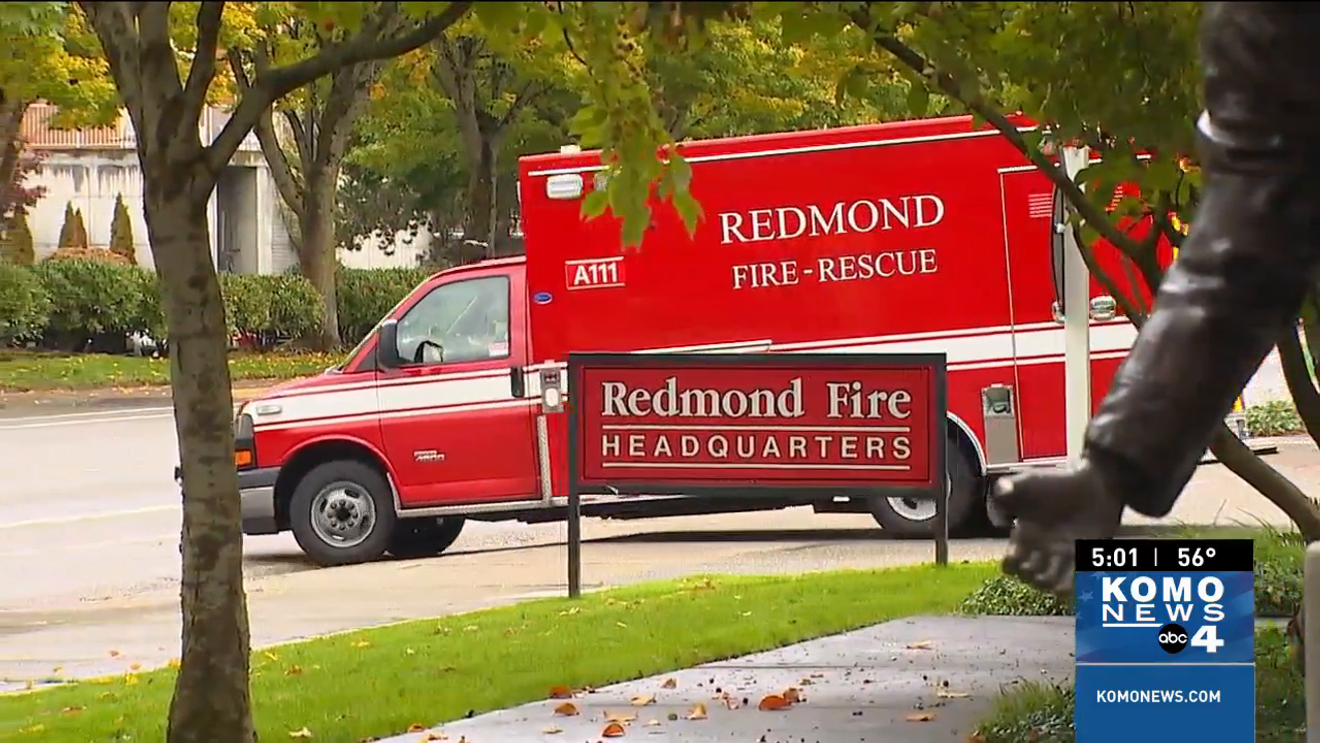
Eight former Redmond, Washington, firefighters have taken their religious accommodation dispute to a federal appeals court, arguing that the city failed to consider workable alternatives before enforcing its COVID-19 vaccination requirement.
The firefighters’ lawyers announced the appeal’s opening brief Oct. 16. First Liberty Institute, Williams & Connolly and the Church State Council represent the former employees, who are challenging a Western District of Washington decision in the city’s favor.
The case concerns the employment consequences of a pandemic-era policy, rather than a new vaccination requirement. The plaintiffs’ account and proposed alternatives remain arguments for the appellate judges to evaluate.
The firefighters’ allegations
According to the legal team’s announcement, the city initially granted religious exemptions but later withdrew them. The lawyers contend that an executive order applied to firefighters while leaving other first responders outside the same requirement.
They also allege that the city identified jobs that did not require vaccination but failed to place their clients in those positions. The city’s handling of reassignment is a major part of the appeal, alongside claims about whether accommodations would have created an undue hardship.
The release describes one termination in November 2021 and the remaining employees returning from leave in spring 2022 before losing their jobs. It does not constitute an independent judicial finding accepting the firefighters’ description of events.
Alternatives at the center of the appeal
The opening brief proposes four categories of accommodation: voluntary exchanges of responsibilities, fire prevention assignments, reassignment to identified openings, or continued work with masking and testing. The plaintiffs say those alternatives could have protected their religious practices without imposing the burden the law requires an employer to establish.
The brief also disputes the lower court’s treatment of the evidence and its application of the governing legal standard. It asks for a different result on religious accommodation claims and challenges the disposition of retaliation claims.
Those are distinct issues. An employer’s reason for an adverse action, its consideration of alternatives and the costs of an accommodation can require separate analysis. Reversing a judgment on one claim would not necessarily decide every factual dispute in the lawsuit.
The Supreme Court’s standard
The appeal relies on Groff v. DeJoy, the Supreme Court’s unanimous 2023 decision clarifying the religious accommodation requirement under Title VII of the Civil Rights Act.
Groff rejected the idea that an employer can establish undue hardship merely by showing a cost above a minimal level. Instead, the court required substantial increased costs assessed in the context of the employer’s particular business.
The decision calls for attention to the proposed accommodation’s practical impact, including the nature, size and operating costs of the employer. It does not promise that every requested accommodation must be granted. Nor does it allow an employer to substitute a general objection for the required assessment.
In the Redmond case, that framework makes the feasibility of alternative duties and assignments significant. The firefighters’ lawyers argue the available record supports accommodation; the appeal follows a district court ruling favoring the city.
The appellate process will determine whether that judgment stands, changes or requires further proceedings. For now, the filing marks another stage in a dispute over how religious protections apply when public employers impose workplace health rules. It is not a new appellate victory, and the firefighters’ allegations should not be read as findings already adopted by the court.