


Opinion: Washington should measure success at the checkout counter

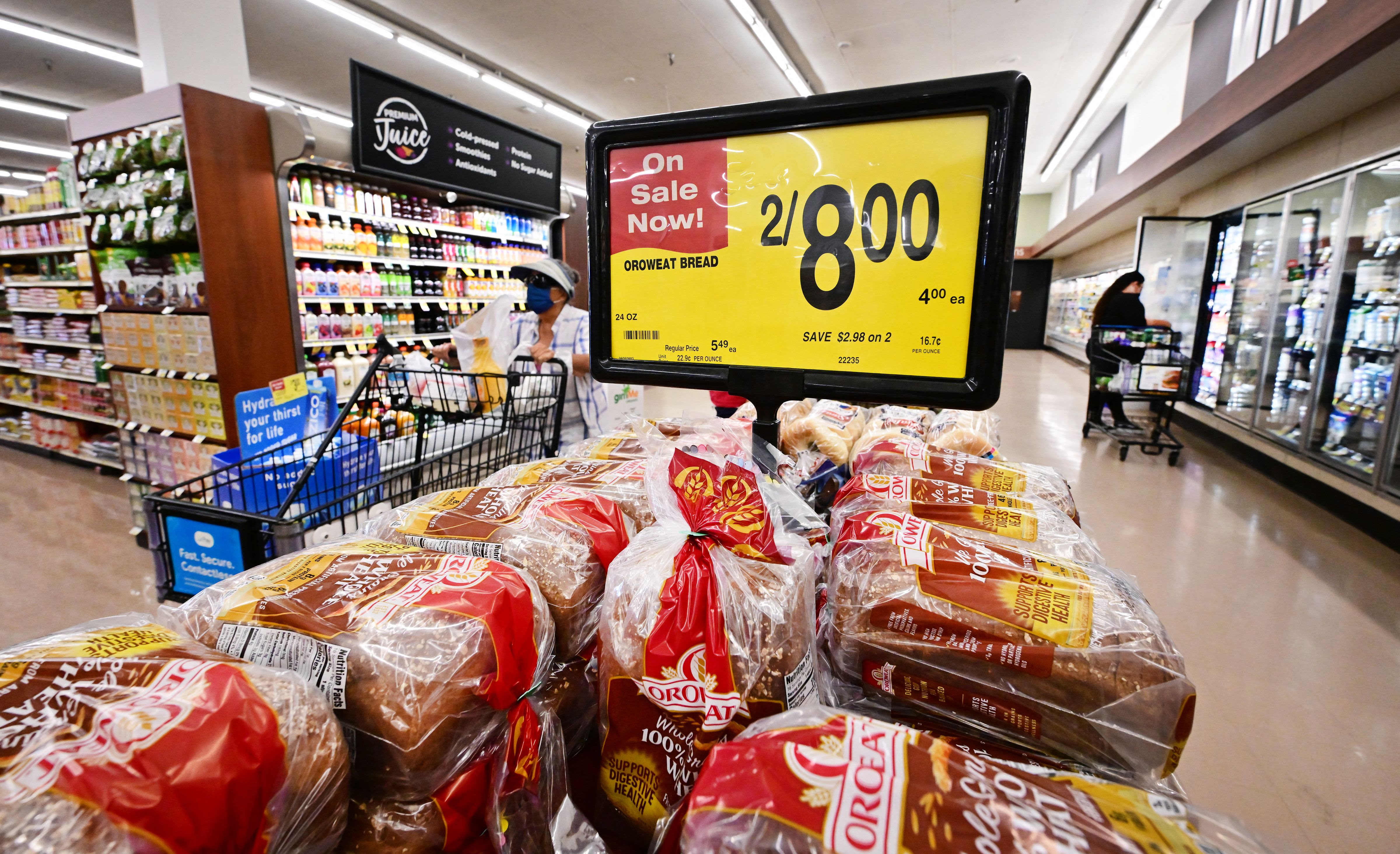
OPINION — Washington has a habit of treating economic statistics as campaign trophies. Families encounter them as bills. The distance between those two experiences is where public trust goes to die.
The Bureau of Labor Statistics reported that consumer prices rose 0.4% in October. Food prices increased 0.5%, shelter rose 0.3% and energy climbed 0.7%. Those are monthly changes, not a claim that every household experienced the same increase.
The figures should bring a measure of discipline to a political debate that rewards selective celebration. A government cannot reasonably ask for credit whenever a favorable number appears while treating unfavorable costs as someone else’s responsibility.
Conservatives should apply that principle regardless of which party controls the White House. The point of economic policy is to make ordinary independence easier: earning a living, maintaining a home, raising children and building some protection against an emergency.
A stronger standard of success
A slower increase in prices is welcome. It does not, by itself, restore the purchasing power a family previously lost. A budget that became difficult last year can remain difficult even when the rate of deterioration eases.
That is why official reassurance so often lands badly. Someone deciding whether to replace a worn tire does not need a lecture about why an aggregate measure looks better. The person needs enough room in the budget to replace the tire.
Public officials should therefore explain their claims in concrete terms. Which costs can a policy plausibly reduce? How long would the change take? Who pays during the transition? What evidence would show that the policy failed?
Those questions should apply to tariffs, subsidies, regulations and tax preferences alike. A policy does not become pro-family merely because its sponsor says so. It has to survive an accounting of what families actually receive and what they are asked to absorb.
Stop selling painless solutions
The same honesty is needed on interest rates. Cheaper borrowing can help a prospective buyer, but a promise of easy money is not a substitute for reliable price stability. Treating every economic objective as something Washington can deliver immediately encourages disappointment.
There are also practical limits to any monthly report. A national index cannot describe every local housing market, every medical bill or every household’s mix of purchases. Politicians should acknowledge those limits before using a single number to announce victory.
A credible affordability agenda would focus on removing obstacles to producing what people need. It would ask whether a rule delays new housing, whether an approval process blocks useful investment and whether a public benefit merely shifts a cost to another pocket.
That work is less theatrical than blaming an enemy. It also gives voters something they can evaluate. A completed home, a clearer bill or a shorter approval process is harder to spin than an abstract promise.
Accountability begins with consistency
The strongest conservative case is that government should be careful with the resources people worked to earn. That argument loses force when fiscal caution disappears whenever the spending has a friendly political label.
Economic credibility is built by applying the same tests to allies and opponents. Welcome good news. State the limits of the evidence. Admit the tradeoffs. Then judge policy by whether it expands the ability of families to stand on their own.
The checkout counter is an unforgiving place for political messaging. Washington would make better decisions if it remembered that the people waiting there cannot pay their bills with a press release.