UNDP Says Early El Niño Protection Could Save $37 Billion

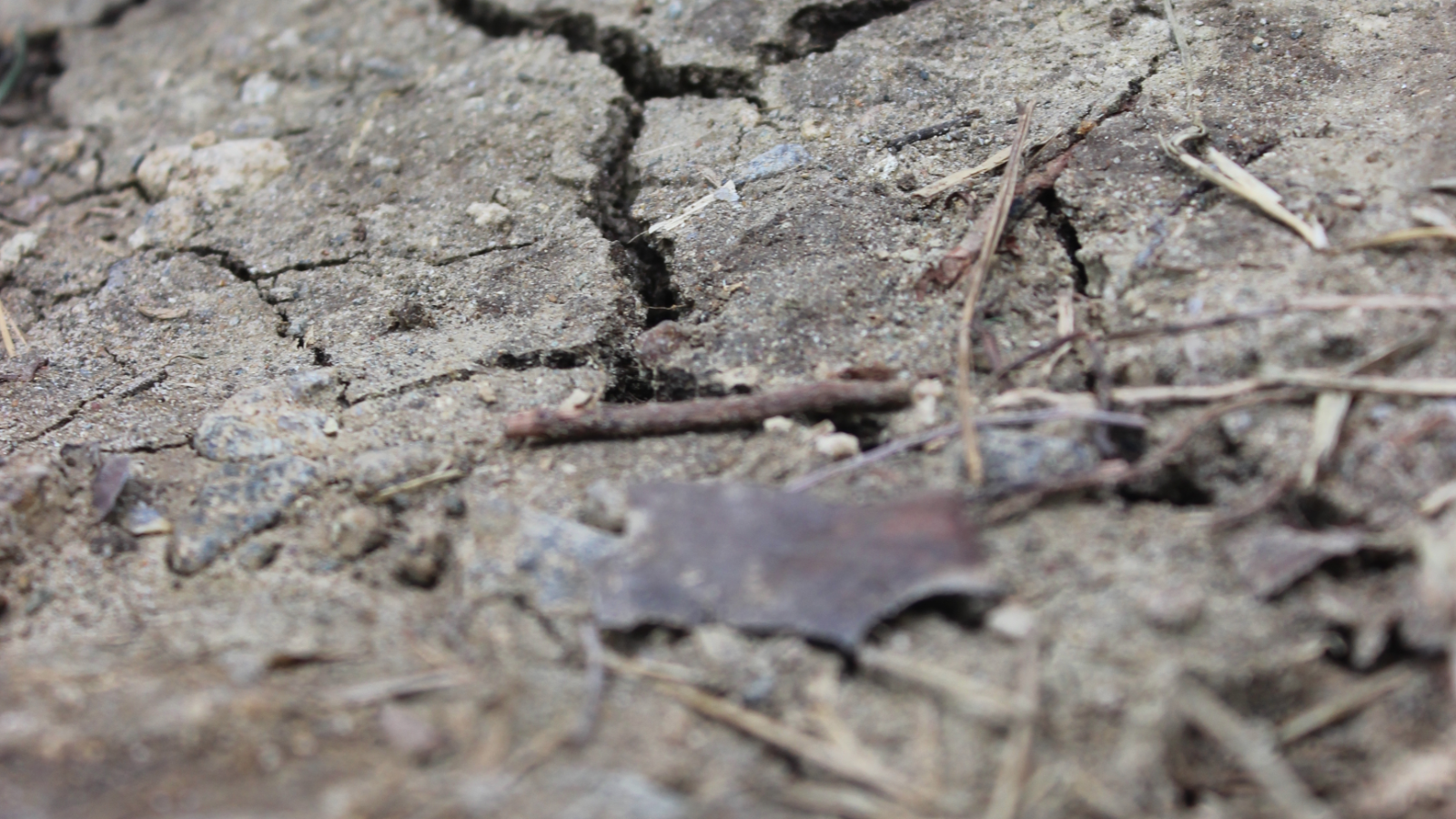
New research compares the cost of protecting vulnerable households before disasters with the expense of responding after damage occurs.
Waiting until an extreme-weather disaster has already struck could roughly double the cost of protecting vulnerable households in developing economies, according to a United Nations Development Programme assessment released at the COP31 climate summit.
UNDP estimates that early support ahead of a potentially severe 2026–2027 El Niño could cost up to $36 billion, compared with up to $73 billion when assistance is delayed until after damage occurs. The difference is an illustrative modelled comparison, not funding already approved by governments.
The report, The Cost of Waiting in a Warmer World, argues that early financing should be treated as part of economic and social stability policy rather than an optional addition to emergency relief.
Why the timing changes costs
A family that receives cash before a drought may be able to preserve food stocks, protect livestock or avoid selling productive assets. Once crops fail and prices rise, the same household may need more costly assistance to recover.
Flood preparation can work in a similar way. Early warnings allow local authorities to move supplies, protect documents and evacuate people before roads become unusable. Post-disaster assistance may then need to replace destroyed homes and lost livelihoods.
UNDP’s analysis finds that comparable protection arranged in advance can cost about 50–80% as much as support delivered after an event. The range reflects different settings and assumptions; individual programs may achieve more or less.
Finance before the emergency
Most humanitarian financing is mobilized after the needs become visible. Governments and development partners may therefore face administrative delays just when rapid action has its greatest value.
Prearranged funding, contingent credit, anticipatory cash transfers and forecast-based insurance can make money available sooner. The mechanisms differ, and none is appropriate in every context. Insurance can be expensive or exclude some risks, while loans raise debt concerns in already vulnerable countries.
Reliable weather information and clear eligibility rules are critical. Paying early based on an inaccurate forecast carries costs, but waiting for complete certainty can eliminate the benefit of acting before harm occurs.
Economic security beyond relief
Severe El Niño events can disrupt crops, drinking water, hydropower and transport. Higher food prices may spread beyond the directly affected area, putting additional pressure on household budgets and government accounts.
The report points to climate shocks as risks to development and security, especially in fragile countries where displacement and competition over resources may already be high. That does not mean every climate event triggers conflict; it means vulnerable institutions can have less capacity to absorb a new shock.
The World Meteorological Organization has separately warned that warmer oceans and a strengthening El Niño can change regional rainfall and temperature patterns into 2027. Local forecasts will remain necessary to determine where action should be targeted.
Measuring prevention
Policy effectiveness should be evaluated through avoided losses, continuity of essential services and the households protected, not simply the amount of finance announced.
Governments also need transparent records of when funds were released and what they achieved. An early action program that cannot deliver assistance before a hazard arrives may provide little advantage over ordinary disaster relief.
UNDP’s findings offer a financial argument for preparation: resilience investment can protect development gains at lower cost. The challenge is moving funding decisions forward in the calendar rather than waiting for the next crisis to make the need unavoidable.