

Opinion: Strong growth is a reason for discipline, not a spending spree

OPINION — A growing economy gives Washington an opportunity to strengthen the country’s finances. It should not be treated as permission to make every expensive promise at once.
The Bureau of Economic Analysis estimated that real gross domestic product grew at a 3.4% annual rate in the third quarter, up from 2.2% in the second. Investment, consumer spending and government spending contributed to the increase, while exports declined.
That is encouraging news. It is also an advance estimate, not a guarantee about the next quarter. A serious fiscal policy would welcome the strength while remembering that temporary conditions are a poor foundation for permanent obligations.
The temptation is obvious. When growth looks healthy, every new program can be presented as affordable. When growth weakens, the same program can be presented as essential to recovery. Under that logic, spending never encounters a moment when restraint is appropriate.
Make good times count
A household that receives a raise can improve its resilience or immediately commit every additional dollar. The federal government is more complicated than a household, but the basic problem of promising tomorrow’s income before it arrives should still be recognizable.
Congress should use stronger periods to examine commitments that are difficult to sustain through weaker ones. That means distinguishing a temporary emergency measure from a recurring subsidy and an actual investment from a transfer with a fashionable name.
Calling an expenditure an investment does not settle the question. Lawmakers should identify the expected return, the evidence supporting it and the conditions under which funding would stop. Without those tests, the label becomes a way to avoid scrutiny.
The same discipline belongs in the tax code. A preferential provision should be judged by what it accomplishes, who benefits and what it costs. Fiscal responsibility cannot be limited to the spending programs the other party likes.
Protect the private economy’s room to act
Growth depends on people making decisions under uncertainty: opening a shop, buying equipment, hiring a worker or developing a product that might fail. Government can improve that environment by making its own rules and commitments more predictable.
It does the opposite when businesses must continually guess which special deal, sudden restriction or temporary tax provision will survive the next political negotiation. Stability is not glamorous, but it has practical value to someone deciding whether to commit savings.
That is a conservative argument for restraint with a positive purpose. The goal is to leave room for productive decisions outside Washington, rather than make every business plan depend on access to Washington.
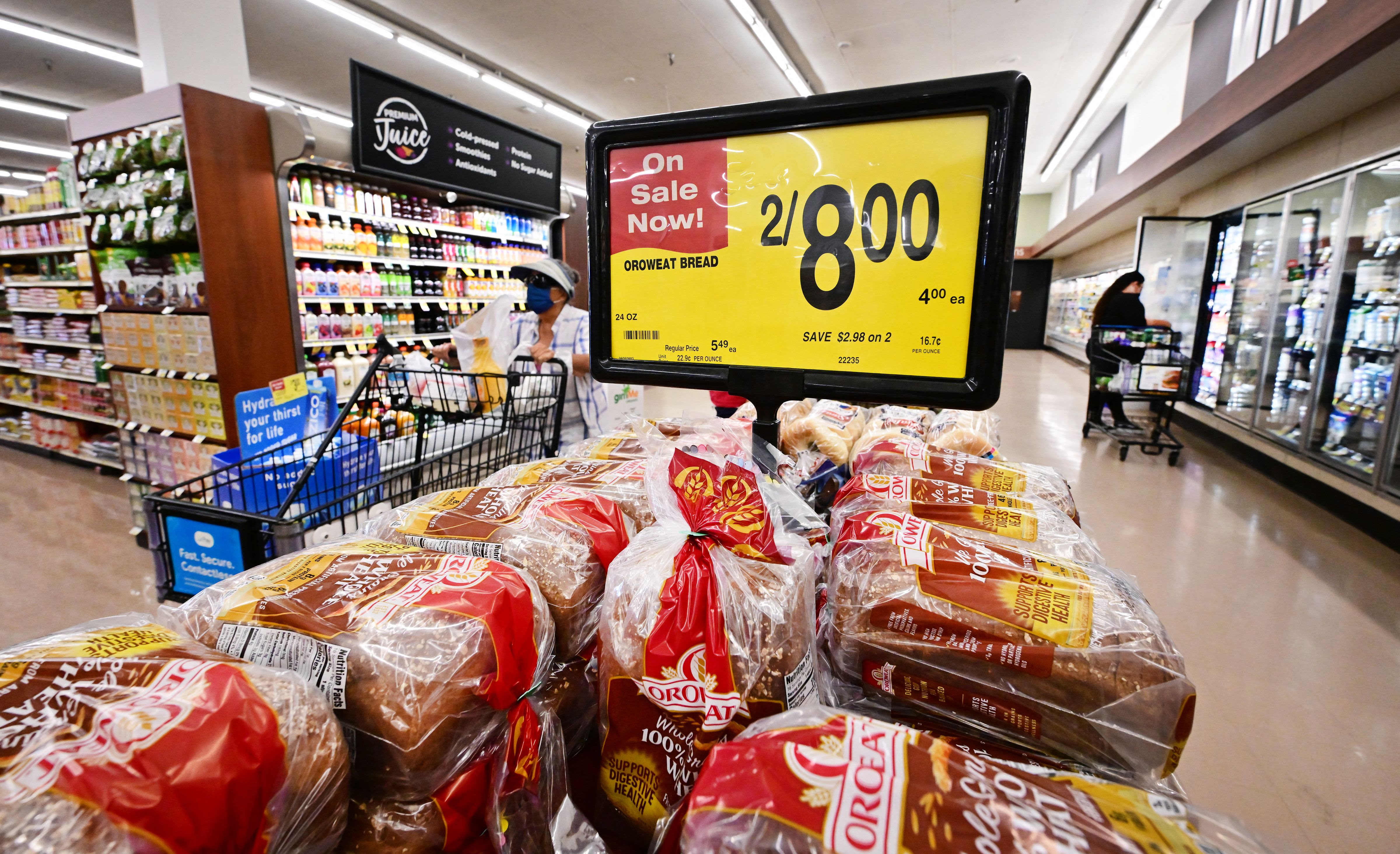
It also requires intellectual honesty about GDP. A useful national measure is not a complete report on whether every family is thriving. Strong output and a strained household budget can exist at the same time.
Build resilience before the next shock
The appropriate response to good data is neither dismissal nor triumphalism. It is to ask what can be made more durable while conditions offer the chance.
Lawmakers should review overlapping programs, make the cost of new commitments visible and resist attaching permanent spending to optimistic forecasts. They should also explain which promises require tradeoffs instead of pretending that growth eliminates them.
A healthy economy is a national asset, not a partisan expense account. The best way to respect encouraging growth is to protect the conditions that make it possible and prepare for the years when the headlines will be less comfortable.