

Judge curbs DHS door-knocking probes of suspected noncitizen voters in 9 states
The ruling found the agency's field operations likely violate the Voting Rights Act and relied on data that includes U.S. citizens.

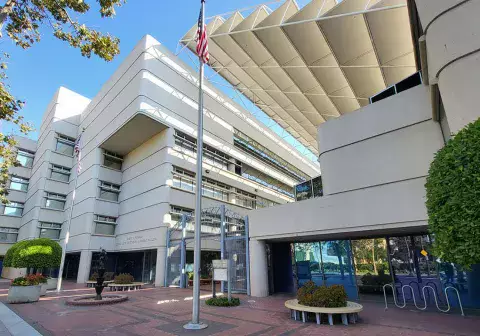
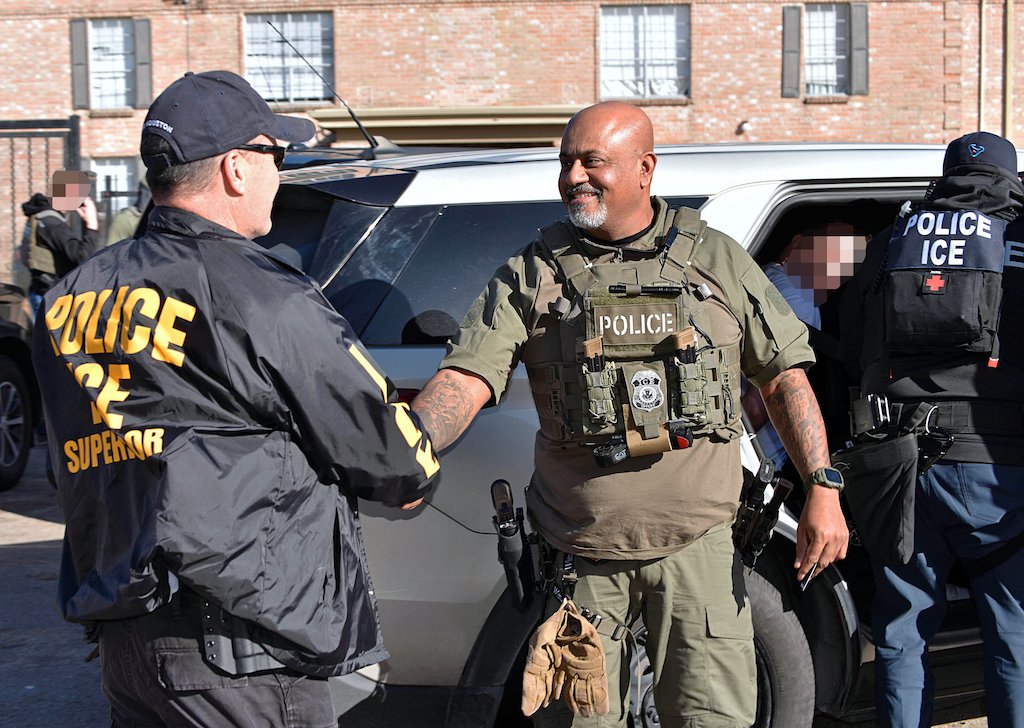
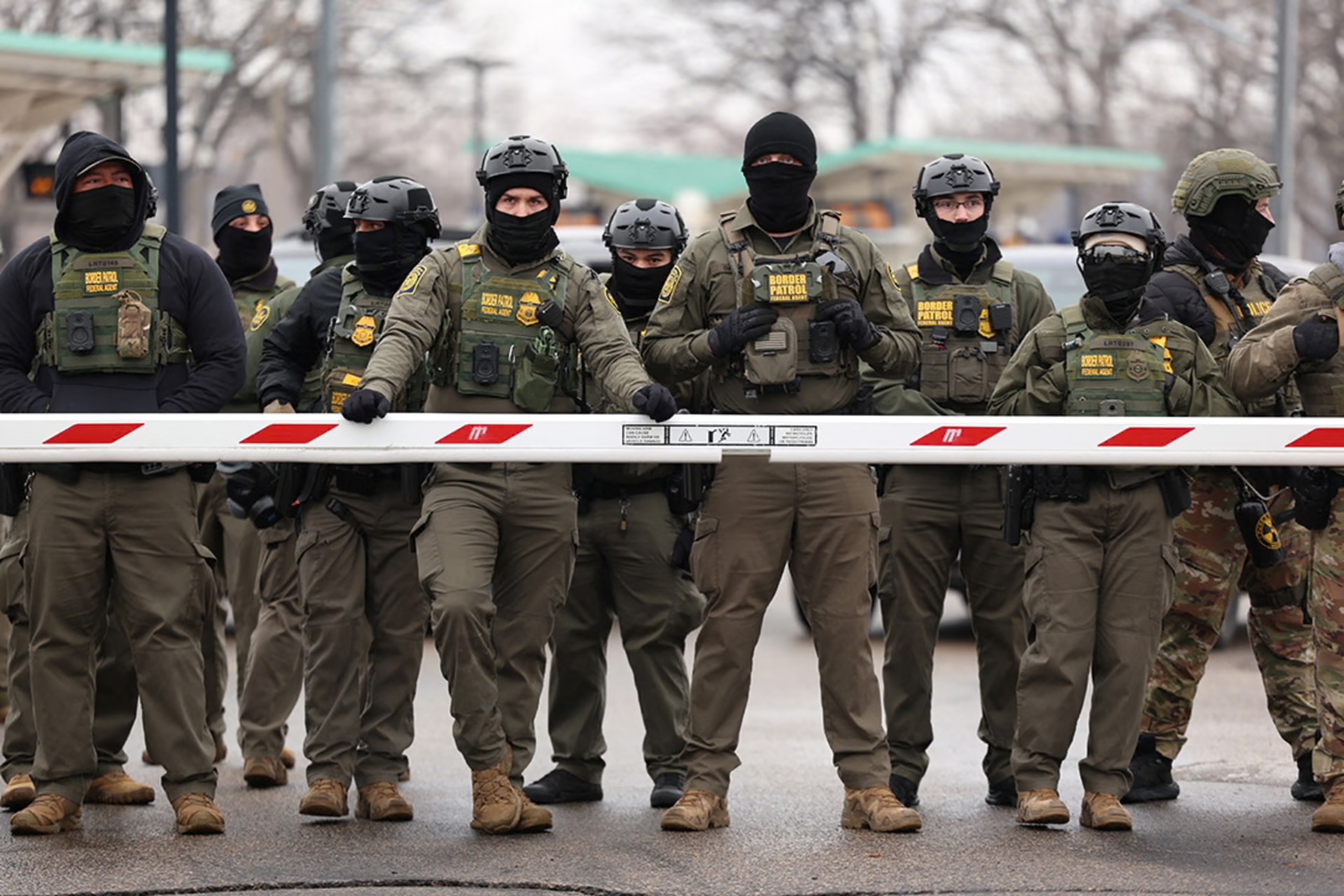
SAN FRANCISCO — A federal judge has restricted the Department of Homeland Security from sending agents door to door to question people about their immigration status and voting history in nine states, ruling that the practice likely violates the Voting Rights Act.
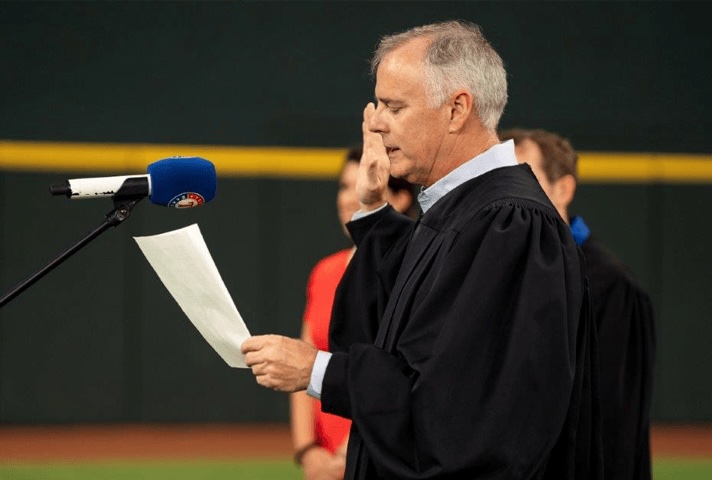
U.S. District Judge Araceli Martínez-Olguín of the Northern District of California issued the preliminary injunction late Wednesday. She found the policy likely ran afoul of a section of the law that makes it illegal to “intimidate, threaten, or coerce” people who help others vote or engage in voter mobilization, CBS News reported.
The order covers California, Connecticut, Georgia, Missouri, Nevada, New York, Pennsylvania, Washington and Wisconsin. It lasts until the polls close on Election Day, Nov. 3.
What the order does
Under the ruling, DHS may not carry out field operations, such as interviews at people’s homes, if they are likely to involve questioning people whom agency officials know, suspect or should reasonably suspect are U.S. citizens. The judge also barred operations against likely citizens based on records generated by the agency’s voter-matching program.
The ruling does not end the department’s investigations into suspected noncitizen voting. DHS may continue to investigate people it believes are not citizens.
The judge put her order on hold until 5 p.m. Friday, Oct. 23, to give the government time to appeal.
Questions about the data
The program, which DHS calls the “Unlawful Voter Initiative,” uses a “target list” compiled from sources including state voter rolls and commercial data, according to the order.
The judge wrote that the department’s data on hundreds of thousands of possible illegal voters “is widely known to inadvertently include U.S. citizens,” CNN reported. She said the operations leave citizens afraid that their names will be wrongly included.
The New York Times has reported that some of the roughly 20,000 names on the department’s list of suspected noncitizen voters are in fact citizens. The program also drew scrutiny in September after a whistleblower alleged that agents were told to misrepresent themselves as voters on state websites to obtain information.
Reaction
Protect Democracy, a legal group representing organizations involved in voter registration and mobilization, sued over the policy in September.
“This order is a serious protection: the current policy targets known naturalized citizens,” Beau Tremitiere, an attorney for the group, told CNN.
Administration officials have argued that keeping noncitizens off voter rolls is essential to election integrity and that federal law makes voting by noncitizens a crime. Studies have consistently found such voting to be rare.
DHS officials have criticized other recent court rulings limiting the department’s work on voter citizenship checks. After a separate decision by a federal judge in Washington, Homeland Security General Counsel James Percival wrote on social media that the ruling was the latest example of courts preventing DHS from addressing what he called alien voting.
Other election fights
The ruling is one of several legal setbacks for the administration’s efforts to police voter eligibility ahead of the midterms. A federal judge in Washington has separately blocked DHS from using its citizenship verification database to remove voters from registration rolls, citing concerns that naturalized citizens could be wrongly purged.
Under the Constitution, states and Congress set the rules for elections. Most of the administration’s attempts to change how states verify voters have been blocked by courts.
The preliminary order is limited in duration and should not be read as a final ruling resolving every issue in the lawsuit.