


Missouri voters reject abortion ban as Nevada and Virginia add protections
Idaho was the only state where an abortion-rights measure failed. Missouri's proposal also would have written a ban on gender transition care for minors into the constitution.

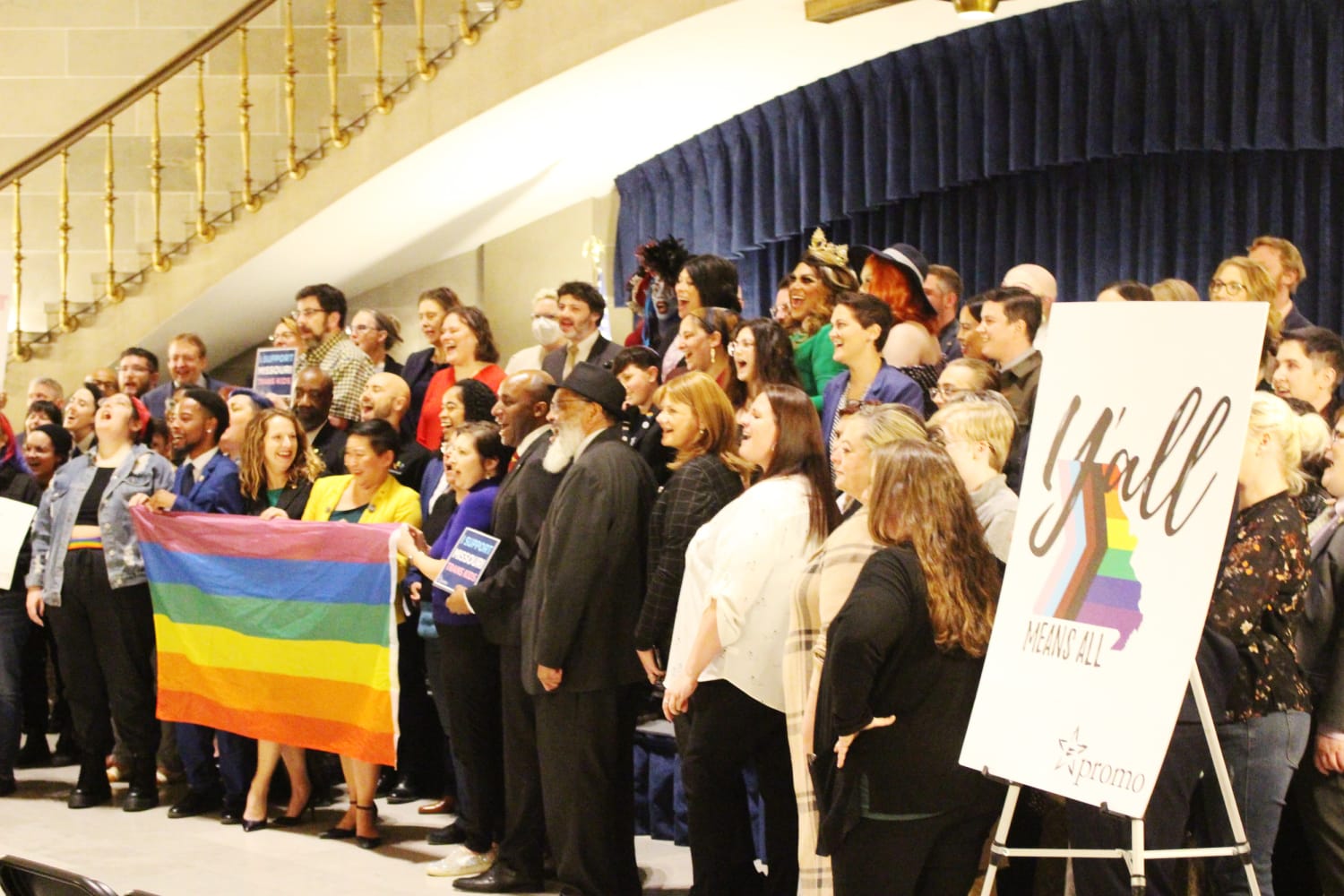
JEFFERSON CITY, Mo. — Missouri voters on Tuesday rejected a constitutional amendment that would have reinstated the state’s abortion ban, while voters in Nevada and Virginia approved measures adding abortion rights to their constitutions.
In Idaho, a measure to establish a right to abortion failed, leaving in place one of the strictest bans in the country, NPR reported.
Missouri’s Amendment 3
The Missouri measure, also known as Amendment 3, would have repealed the abortion-rights amendment voters narrowly approved in 2024 and banned abortion with limited exceptions. It was placed on the ballot by the Republican-led Legislature.
Abortion opponents combined the proposal in a single question with a ban on puberty blockers, hormone therapy and gender transition surgery for minors. About 55% of voters opposed the measure, according to LGBTQ Nation.
Supporters of the measure argued that the 2024 amendment went too far and that voters had been misled about its scope. They also said placing the protections for minors in the constitution would make them permanent. Missouri already bans gender transition procedures for minors by statute, though the prohibitions on puberty blockers and hormone therapy are set to expire in 2027, according to St. Louis Public Radio.
Opponents said the measure would have overturned the will of voters just two years after they approved abortion protections. In 2024, the abortion-rights amendment passed by fewer than 100,000 votes while Trump carried Missouri by more than 550,000.
The anti-abortion group Susan B. Anthony Pro-Life America was among the measure’s supporters. An earlier lawsuit challenged the ballot language, and a court rejected a separate challenge arguing that the measure violated Missouri’s single-subject rule.
Nevada and Virginia
In Nevada, voters approved Question 6, which adds a right to abortion up to fetal viability to the state constitution. Nevada requires voter-initiated amendments to pass in two consecutive general elections. Voters first approved the measure in 2024 with about 64% support, and it passed comfortably again this year.
The Nevada amendment does not change the state’s existing law, which allows abortion up to 24 weeks.
Virginia voters also approved an amendment protecting abortion rights. Abortion is legal through fetal viability in both Nevada and Virginia, so the amendments primarily make those protections harder to undo.
In Idaho, the defeated measure would have guaranteed reproductive freedom and privacy. The state’s near-total ban, in place since 2022, remains in effect.
The broader picture
Since the Supreme Court overturned Roe v. Wade in 2022, voters in more than a dozen states have weighed in on abortion at the ballot box. Abortion-rights supporters prevailed in every such vote until 2024, when measures failed in Florida, Nebraska and South Dakota. That year, abortion-rights measures passed in seven states: Arizona, Colorado, Maryland, Missouri, Montana, Nevada and New York, according to KFF.
This year’s results came as Democrats won control of both chambers of Congress. Still, the outcome on social issues was mixed: Some measures restricting gender transition procedures for minors were leading in other states, including Colorado.
Abortion opponents have increasingly pursued strategies to make ballot initiatives harder to pass. In August, Missouri voters declined a measure that would have required initiatives to win majorities in every congressional district rather than statewide.
Pro-life groups said they would continue working at the state level and through pregnancy resource centers to support women and families. Abortion-rights groups said the results showed voters remain unwilling to reinstate bans once protections are adopted.