


Education Department seeks broader grant priorities for school choice and career pathways

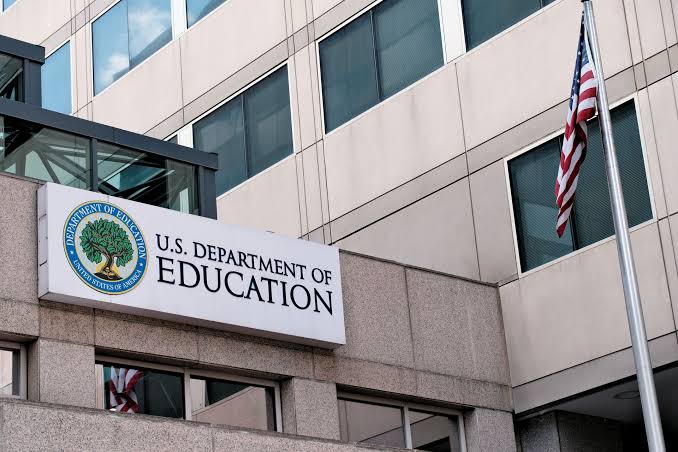
WASHINGTON — The Education Department has proposed changes to federal grant priorities that would place greater emphasis on technical and vocational options, career pathways and assistance helping families navigate educational choices.
The notice published Nov. 5 seeks comments by Dec. 7. It would amend priorities and definitions covering literacy, education choice, state-led education efforts, workforce readiness and technology in education.
The proposal is not a new grant award or an immediate requirement that every school change its curriculum. Priorities can shape competitions when used within the authority of a particular program.
Among the proposed changes are explicit references to technical, trade and vocational schools, pre-apprenticeships and Registered Apprenticeships. The department also proposes more support for student parents and young people in foster or kinship care, and technical assistance concerning scholarships associated with the Education Freedom Tax Credit.
The notice says the changes reflect implementation experience and input from federal partners. Public comments can inform the department’s next step before final priorities are adopted.
Literacy remains part of the agenda
The proposal arrives amid continuing debate over how to turn reading reforms into measurable classroom improvement. In September, the department described federal efforts supporting evidence-based literacy, including tutoring research, teacher preparation and professional development.
Its account identified Education Innovation and Research grants and Teacher Quality Partnership grants as part of that work. It also pointed to practical resources developed by the Institute of Education Sciences’ regional laboratories for reading comprehension, differentiated instruction and interventions.
Those are descriptions of federal activities, rather than evidence that a particular grant caused a particular gain. The distinction is important when officials assess whether a policy is working.
Encouraging reading data, with limits
An earlier NWEA report released in September found broad reading improvements from spring 2025 to spring 2026 in its MAP Growth data for kindergarten through eighth grade.
The assessment organization said some historically underserved groups made substantial gains. It also cautioned that scores in most grades remained below prepandemic levels and that gaps associated with race, ethnicity and school poverty persisted.
Math results were less uniform, with incremental recovery in elementary grades and stagnation across many middle school groups. NWEA urged education leaders to investigate what contributed to reading improvements and sustain coherent systems of assessment, instruction and intervention.
The report concerns students represented in those assessment data. It is not a finding that every school improved, and the organization did not present the results as proof that one national policy explains the changes.
What the proposal would change
The grant notice and the assessment findings address different parts of education policy. One sets out potential criteria for federal support; the other describes measured student performance. Connecting them requires evidence about what funded projects actually do and which students they reach.
For applicants, the immediate issue is the language of the proposed priorities and the opportunity to comment. A project’s eventual eligibility would depend on the rules of the specific competition, not simply on appearing in a broad policy announcement.
For families, expanded choices become useful only when a program is available and accessible. The notice does not guarantee a seat, scholarship or service for any individual child.
The next formal milestone is the Dec. 7 comment deadline. The department will then determine how to proceed with the proposed amendments, while educators continue the separate work of translating instructional plans into stronger student outcomes.