Consumer prices rise 0.4% in October, more than expected
Grocery and restaurant prices jumped in the first inflation report since the midterm elections, raising the odds of another Fed rate hike.

WASHINGTON — Consumer prices rose more than expected in October, led by higher costs for food and shelter, the Labor Department reported Tuesday in the first inflation snapshot since last week’s midterm elections.
The consumer price index climbed 0.4% from September, according to the Bureau of Labor Statistics. Economists had expected a 0.3% increase. The October gain was smaller than September’s 0.6% jump and matched the increase in August.
Core prices, which exclude volatile food and energy costs, rose 0.3% for the third straight month. Forecasters had expected 0.2%.
No annual rate this month
Unusually, the report did not include a year-over-year inflation figure. The government did not collect price data in October 2025 because of last year’s record federal shutdown, so there is no base month to compare against.
The most recent annual reading, for September, showed prices up 3.7% from a year earlier. Annual inflation was 3.4% in August. Both figures are well above the Federal Reserve’s 2% target.
Food costs climb
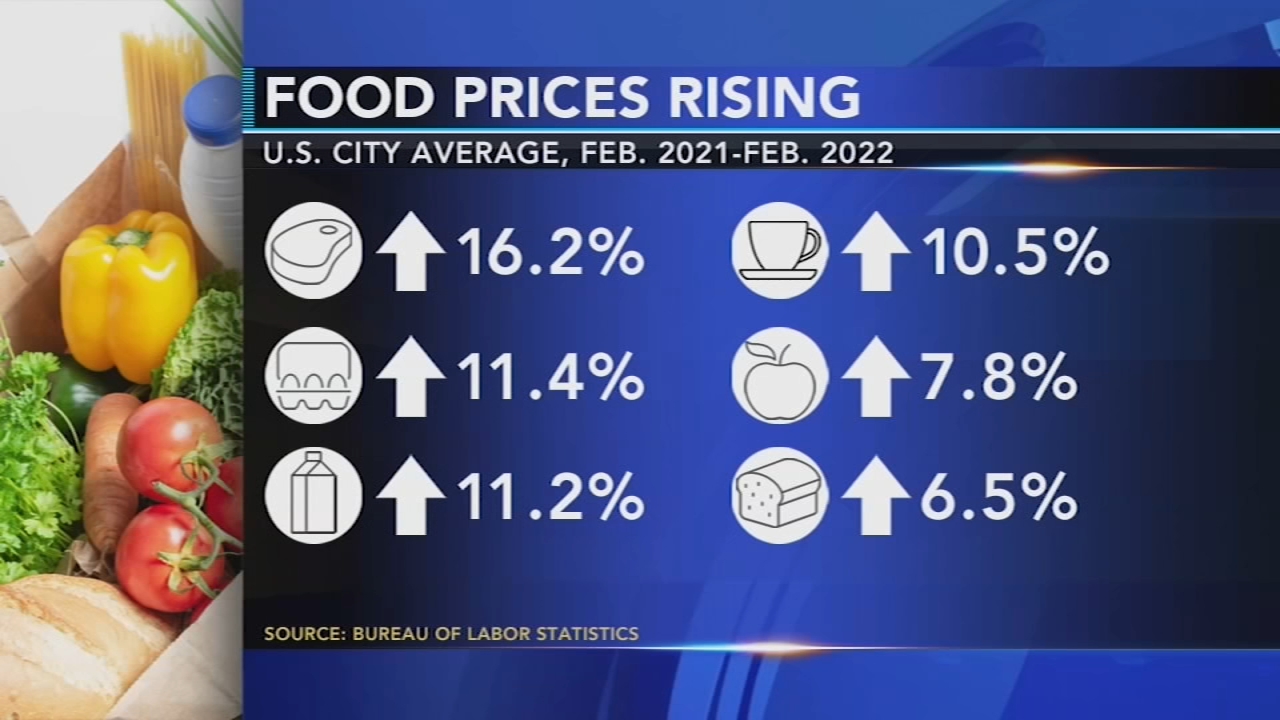
Families felt the increase most at the dinner table. Food prices rose 0.5% after holding flat in September. Grocery prices increased 0.4%, and prices at restaurants and other food-away-from-home establishments rose 0.5%.
Shelter costs, the largest single component of the index, rose 0.3% after a 0.4% gain in September. Housing accounted for more than 30% of October’s overall increase. Rent rose 0.2%.
Energy prices rose just 0.7% after jumping 5.2% in September. Fuel costs have accounted for a large share of inflation this year after the U.S. war with Iran pushed gasoline prices to a four-year high in the spring. The national average for regular gasoline fell below $4 a gallon on Tuesday for the first time since July, according to AAA.
Annual inflation hit a three-year high in the spring as the war drove up gasoline prices. It eased over the summer, but continued unrest has kept price increases well above prewar levels.
Medical costs continued to climb. Hospital services rose 0.8% in October. Airline fares rose 0.4% after a 1.2% increase in September.
Prices and politics
Discontent over the cost of living was a major factor in Democrats’ sweeping victories in the Nov. 3 elections. Nearly nine in 10 voters said the cost of living was a crucial or major factor in their vote, according to SSRS polling for a group of media outlets.
President Donald Trump has defended higher fuel prices as a small price to pay to keep Iran from obtaining a nuclear weapon. He has also blamed former President Joe Biden for many of the country’s economic problems.
What it means for interest rates
The report is the last full inflation reading Fed officials will see before their Dec. 8-9 meeting. The November consumer price report is scheduled for Dec. 10, the day after the decision.
The Fed raised rates in September and held them steady in October, when two officials dissented in favor of another increase. Combined with a strong jobs report last week, Tuesday’s numbers strengthened expectations among some analysts that the central bank will raise rates again in December.
Treasury yields rose and stocks fell after the report, according to Fox Local.
For households, the numbers mean little relief is in sight. Average hourly earnings rose 3.1% over the past year, according to last week’s jobs report, below the most recent annual inflation rate. That leaves many workers falling further behind even as they get raises.