Gas prices fall below $4 a gallon for first time since July
Drivers are getting some relief at the pump, but they are still paying about 91 cents a gallon more than they did a year ago.

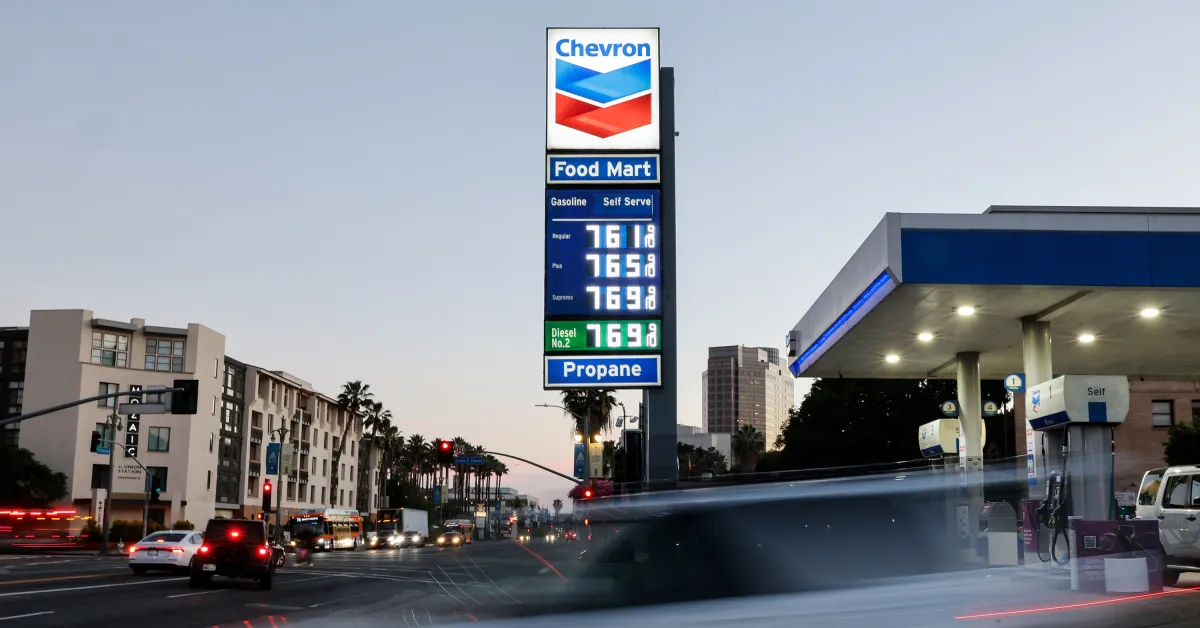
The national average price for a gallon of regular gasoline fell below $4 on Tuesday for the first time since July, giving drivers some relief heading into the holiday travel season.
The average was $3.98 a gallon, down 3 cents from Monday, according to AAA. A week earlier, drivers were paying $4.15 a gallon on average. A month ago, the average was $4.37.
Prices have been falling for about two weeks. On Nov. 5, AAA reported that the national average had dropped 12 cents in a week, to $4.10.
Still far above last year
Even with the decline, drivers are paying considerably more than they did a year ago, when the national average was $3.07. That is a difference of about 91 cents a gallon, or roughly $13 more to fill a 15-gallon tank.
Analysts credited the recent drop to easing fears of renewed military escalation with Iran, lower seasonal demand and the switch to cheaper winter-blend gasoline, Fox Local reported.
A year of whiplash at the pump
Gas prices have swung sharply since the United States and Israel launched strikes on Iran in late February. The conflict disrupted global oil trade through the Strait of Hormuz, a critical shipping route for crude.
The national average first passed $4 a gallon at the end of March. Brent crude, the international benchmark, climbed as high as nearly $120 a barrel that month. U.S. gas prices hit a four-year high of more than $4.50 a gallon in May.
Prices eased in June after the United States and Iran reached an interim deal, falling as low as $3.79 in early July. They climbed back to $4 on July 20 as new fighting broke out, The Associated Press reported at the time.
Russia’s invasion of Ukraine and attacks on refineries in the Middle East and Russia have added further pressure on fuel supplies.
A political issue
High fuel prices became a central issue in the midterm campaign. GasBuddy reported that national average prices for gasoline and diesel reached their highest levels on record for an Election Day last week.
Nearly nine in 10 voters said the cost of living was a crucial or major factor in their vote, according to SSRS polling for a group of media outlets. Democrats won control of both the House and the Senate.
The White House has argued the high prices are temporary. Earlier this year, press secretary Karoline Leavitt said prices would fall back to multiyear lows once the military campaign against Iran was complete. President Donald Trump has defended higher fuel costs as a small price to pay to keep Iran from building a nuclear weapon.
Ripple effects
Fuel costs affect far more than commuters. Higher diesel prices raise shipping costs for trucking companies, farmers and retailers, and those costs often show up later in the price of groceries and other goods. In July, diesel averaged nearly $5.11 a gallon nationwide, according to AAA.
Energy prices rose 0.7% in October, according to the consumer price index released Tuesday, after a 5.2% jump in September. Overall consumer prices rose 0.4% for the month.
The national average had stayed above $4 since mid-July, and drivers in states such as California have been paying well above the national figure. Whether the relief lasts will depend largely on events in the Middle East and the strength of winter demand.