

NSA Puts Post-Quantum Security Questions Into Vendor Procurement

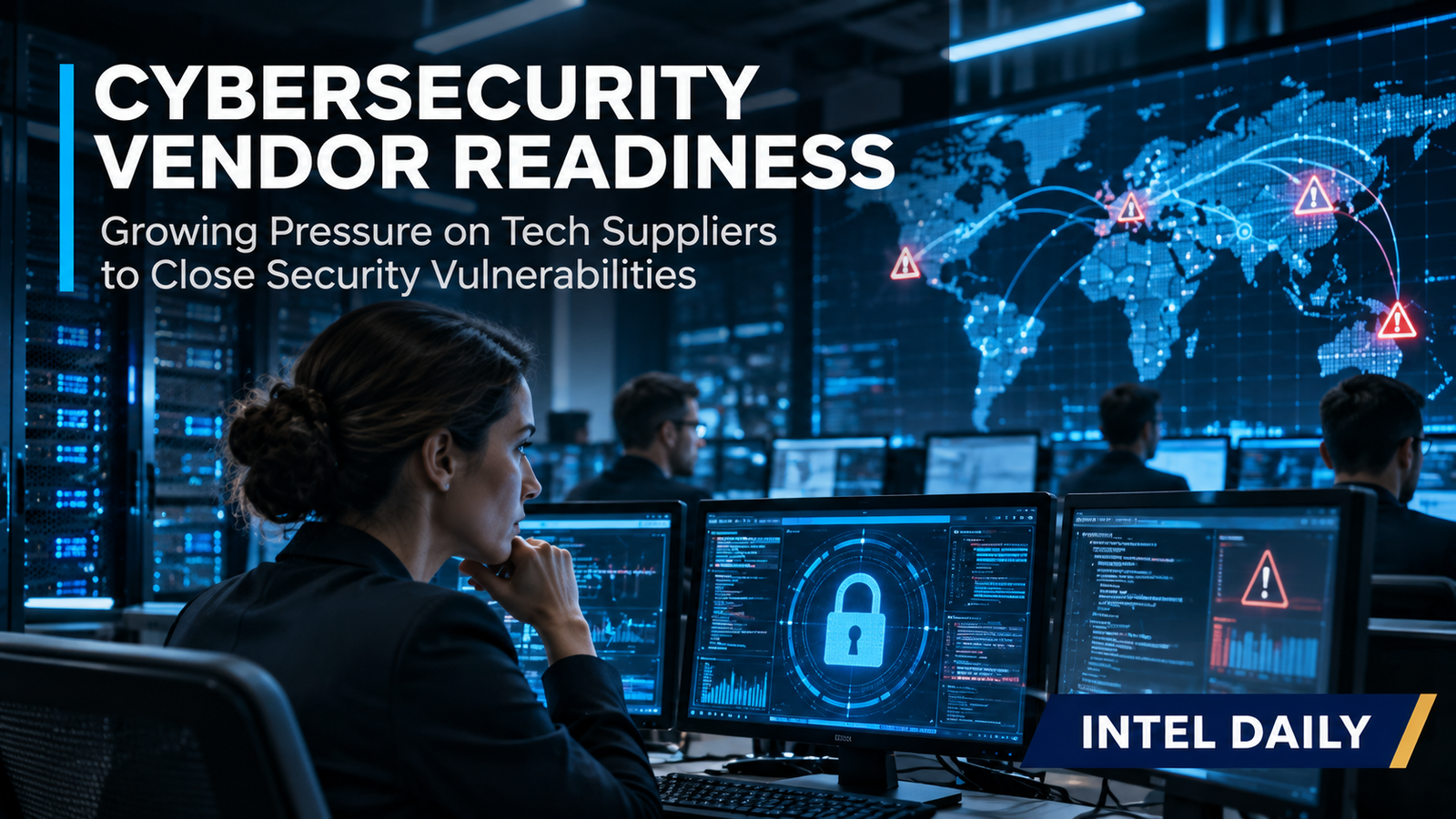
New guidance turns the transition to quantum-resistant encryption into a supply-chain accountability test.
The National Security Agency has joined Australian and US cybersecurity authorities in urging organizations to question technology suppliers about their readiness for post-quantum cryptography, shifting a complex security transition into the everyday work of procurement teams.
The November 4 guidance, issued with the Australian Signals Directorate’s Australian Cyber Security Centre and the Cybersecurity and Infrastructure Security Agency, provides vendor-neutral questions to use during purchasing, contract renewals and ongoing supplier reviews. It is aimed at businesses and public agencies that depend on software, cloud infrastructure and managed services they cannot fully inspect.
The warning is straightforward: even a well-prepared organization can be exposed if a critical supplier cannot identify where encryption is used or explain when it will support quantum-resistant alternatives.
The supply-chain problem
Much of an institution’s cryptography is hidden inside products it buys. Cloud platforms, network devices, authentication services and industrial software may implement encryption according to a vendor’s design decisions. Customers often see only the service, not the algorithms or upgrade pathways behind it.
The new questions encourage buyers to identify cryptographic dependencies, assess risks, prioritize systems, implement updated algorithms and communicate responsibilities. They do not announce that practical quantum computers have already broken today’s widely used public-key encryption.
Rather, the concern is that information intercepted now could remain sensitive long enough to be decrypted later if future machines make certain existing algorithms vulnerable. Migration requires inventories, software changes, testing and contracts—often across several generations of technology.
From policy to contracts
The NSA’s October 1 announcement set out a timetable for US national security systems: starting in 2027, new commercial systems in that category must support quantum-resistant algorithms, while legacy systems unable to do so are to be phased out by 2030. Those rules address a particular federal security environment and should not be mistaken for a universal deadline covering every private business.
For commercial buyers, the immediate implication is less about a single date and more about knowing which supplier owns each part of the transition. Procurement documents can require roadmap disclosures, interoperability testing and notice of changes that affect security. Contracts alone cannot establish whether migration is technically sound.
Old problem, new technology
Concerns about the trustworthiness of cryptographic suppliers did not begin with quantum computing. Earlier scrutiny of cipher equipment and alleged intelligence backdoors, discussed in security analysis by Bruce Schneier, illustrates why ownership, implementation and independent assurance have long mattered.
Today’s challenge is different: vendors may be transparent and cooperative but still struggle to replace algorithms across complicated products. The risk can be one of delay and incompatibility rather than deliberate compromise.
A measurable test
Organizations will need to distinguish promising vendor statements from verified capabilities. Useful evidence includes a current inventory, a realistic migration sequence, independent testing where appropriate and a plan for systems that cannot be upgraded.
For procurement officers, an additional practical step is to require a named contact responsible for cryptographic changes and a process for handling products that fall outside the supplier’s timetable. Security teams should record those exceptions and test workarounds before contracts are renewed. Otherwise, procurement may inadvertently extend the life of vulnerable dependencies even while the organization’s formal cyber strategy appears up to date.
The guidance does not deliver quantum security by itself. Its value lies in giving customers sharper questions before they commit to products that could remain in service long after the next cryptographic transition begins.