

US-China Trade Retreat Signals a More Selective Global Supply Chain

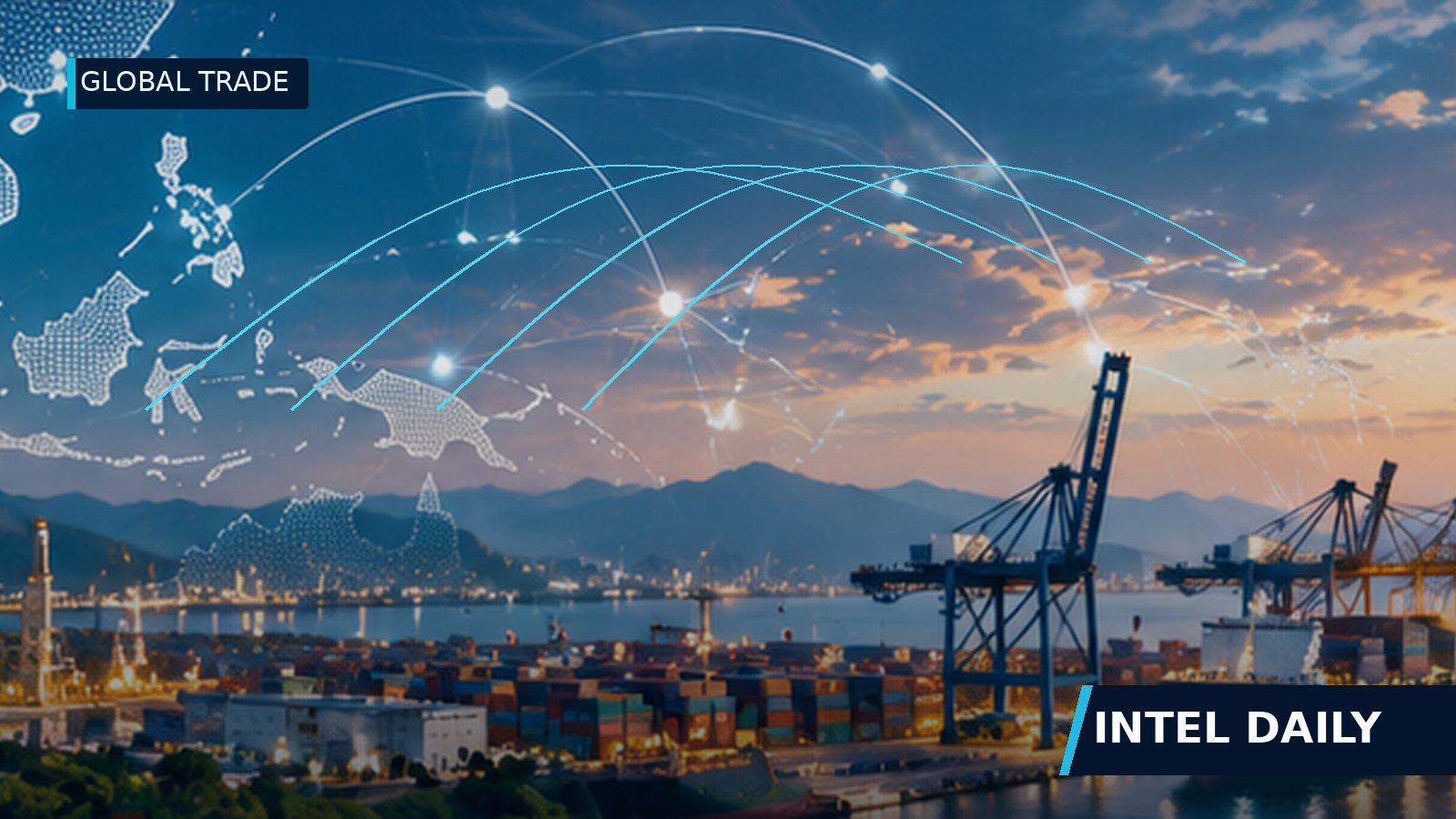
UNCTAD finds commerce between the two economies has contracted sharply even as trade routes grow longer and new exporters seek openings.
The world’s trading system is not simply splitting into opposing blocs. Trade is still growing, and goods are often travelling longer distances, but businesses are becoming more selective about whom they buy from and which rules they can afford to meet.
UN Trade and Development reports that trade between China and the United States has fallen by more than 20% since 2024. The change is part of a broader reorganization in which geopolitical compatibility, tariffs and compliance demands increasingly influence sourcing decisions alongside price and quality.
For companies evaluating new factories and trading partners, the key question is not whether globalization has ended. It is whether a supplier can deliver competitively while navigating a more complex political and regulatory environment.
The geography is changing
UNCTAD’s Trade and Development Report 2026 finds that trading partners have, on average, become more geographically distant since 2015, even as commerce since 2021 has moved toward countries with more similar geopolitical positions.
These trends can occur together. A company may shift some assembly from one market to another while still importing components from the original manufacturing centre. New trade routes do not necessarily mean production networks have become independent.
East Asia has benefited from this reshuffling, expanding trade connections with both China and North America. Some African exporters have also built new market relationships: UNCTAD identifies 83 additional active export relationships from Africa to Europe between 2019 and 2025.
Costs beyond tariffs
Trade policy now shapes access well beyond border taxes. UNCTAD says the average tariff on manufactured products rose from 1.9% in 2024 to 4.7% in 2025, while product, health, environmental and technical standards create additional documentation and certification requirements.
For a smaller exporter, proving compliance can be as significant an obstacle as paying a tariff. Firms may require traceability systems, testing capacity and financing to satisfy purchasers in multiple jurisdictions.
This is also why the number of new trade relationships can be misleading if treated alone. Establishing a connection does not establish its commercial volume, profitability or durability. Exporters must build repeat business, logistics capacity and customer trust before a new corridor makes a substantial contribution to national income.
Larger multinational companies can spread these costs across many shipments. Smaller suppliers may struggle to reach new customers even when trade agreements formally grant access.
Trade growth can conceal weakness
The World Trade Organization’s October outlook forecasts merchandise trade volume growth of 3.9% in 2026, a significant upward revision from its earlier 1.9% expectation. That resilience is heavily supported by artificial-intelligence hardware demand.
The WTO estimates AI-enabling goods accounted for 47% of the growth in world merchandise trade value during the first half of the year. At the same time, it lowered its forecast for commercial services trade growth to 3.3%, citing pressure on travel, tourism and fuel-intensive activity from the Middle East conflict.
A positive global headline therefore conceals very different conditions across industries. Electronics exporters may see strong orders while energy-dependent service businesses face rising costs and reduced demand.
What adaptation requires
Governments seeking to benefit from supply-chain shifts need more than investment announcements. Reliable ports, customs procedures, digital certification and skilled workers help firms turn new customer interest into recurring exports.
Trade diversification should also be judged by value captured locally, rather than shipments alone. Assembly operations that still depend heavily on imported inputs may create jobs without materially reducing strategic exposure.
The emerging trading map is neither a complete decoupling nor a return to frictionless commerce. It is a more selective system in which rules, relationships and productive capability determine who benefits from the next shift.
SOURCE REFERENCES
https://unctad.org/publication/trade-and-development-report-2026
https://www.wto.org/english/res_e/publications_e/global-trade-outlook-and-statistics_execsum_e.htm