

Attacks on Water Systems in Conflict Triple, UNICEF Reports

A new review of 23 conflict-affected countries shows why access to water is inseparable from civilian protection and public health.
Reported attacks that damaged or destroyed water and sanitation systems in conflict zones tripled between 2021 and 2025, according to UNICEF, threatening the health and safety of people who already face displacement, insecurity and disrupted public services.
The agency’s Water Under Fire, Volume 4, released November 5, documents attacks on water, sanitation and hygiene infrastructure, workers and users in 23 countries and territories between January 2021 and June 2026. UNICEF cautions that the true scale is likely larger because there is no coordinated global system for recording incidents.
The finding does not mean that every attack occurred in the same setting or caused equivalent damage. It highlights a wider pattern in which essential services can become inaccessible even when a household or school has not been directly struck.
Water supports everything else
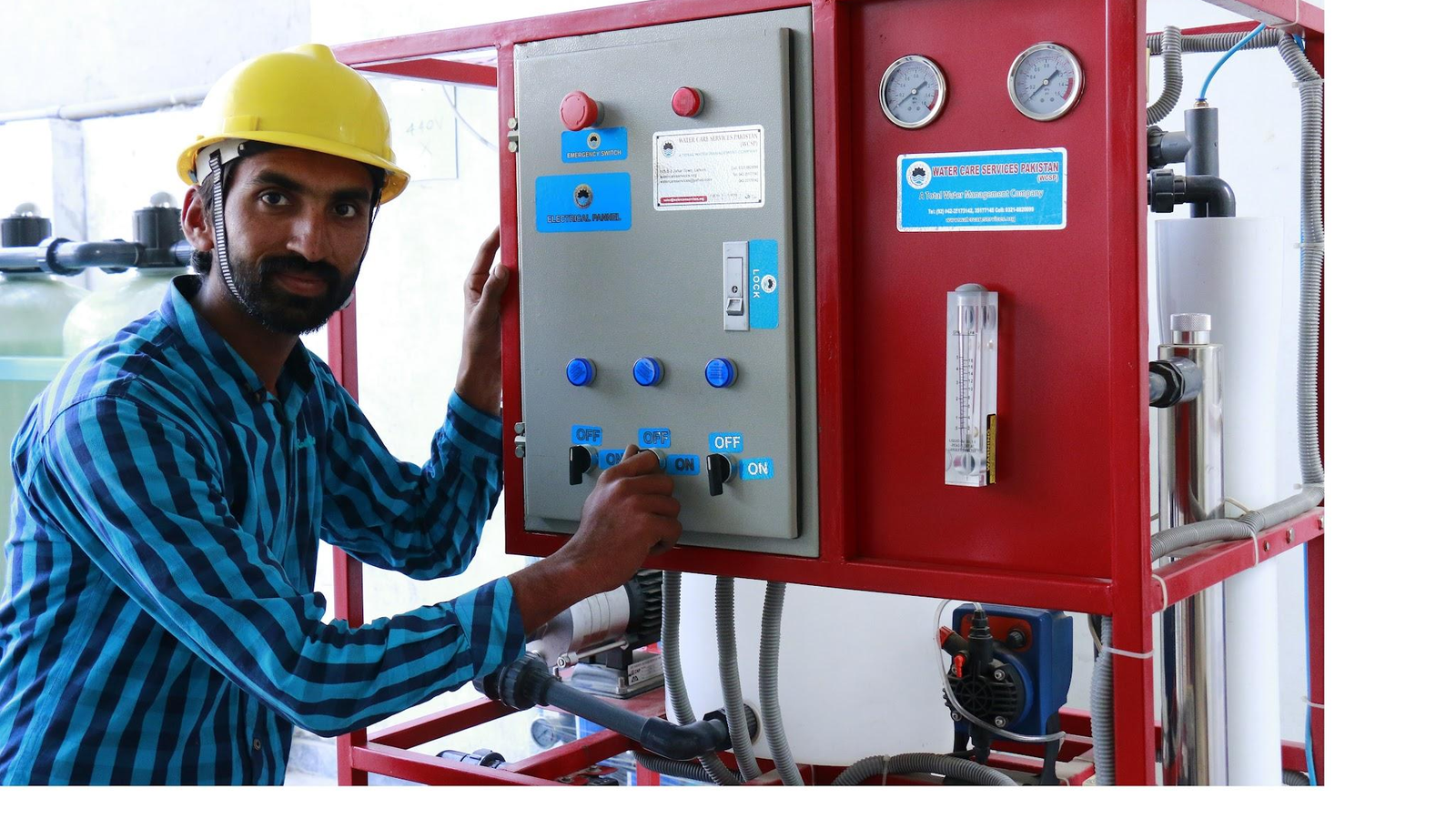
Pumping stations, treatment plants, sewage networks and distribution pipes allow cities to function. When equipment is damaged or electricity fails, safe drinking water can become scarce while untreated wastewater increases the risk of disease.
Children face particular consequences. They may travel farther to collect water, miss school or encounter danger along routes that were previously safe. Health clinics can also struggle to provide basic care without clean water and functioning sanitation.
UNICEF’s review identifies seven categories of attacks and damage affecting these systems. It describes not only direct strikes on infrastructure but also threats to workers and obstacles that prevent repairs and safe access.
Repairing infrastructure during fighting
Emergency teams sometimes restore services through temporary pumps, mobile treatment units and local engineering solutions. These efforts can protect communities, but they cannot replace stable power, permanent equipment and the ability of technicians to travel safely.
Repair costs may rise when spare parts are difficult to import or specialist workers cannot reach damaged facilities. Preventing a renewed failure can require protecting power lines, fuel supplies and access roads as well as the water plant itself.
For humanitarian agencies, the most useful response may be coordinated support for several linked systems rather than restoring one isolated asset. A repaired treatment facility cannot serve households if the distribution network remains broken.
A protection and reporting gap
UNICEF recommends treating water and sanitation infrastructure as indispensable to civilian survival. It calls for systematic monitoring of harmful incidents, stronger protection for personnel and safe access for organizations maintaining services.
International humanitarian law contains rules protecting civilians and civilian objects, including limits on attacks against infrastructure essential to survival. Determining the legality of a particular incident requires the facts of that event and applicable legal analysis.
A consistent evidence base could help identify recurring vulnerabilities and support more effective prevention. It could also make it harder for the consequences of infrastructure destruction to remain invisible after the initial fighting.
The longer-term test
Water restoration is often measured by repaired pumps or liters delivered. Those are necessary indicators, but governments should also track service continuity, water quality, affordable access and whether people remain safe while collecting water.
The UNICEF report demonstrates that conflict-related water damage is an expanding public-health and protection issue. Durable recovery will depend not just on repair funding but on whether personnel and infrastructure can operate without recurring threats.