

Foreign Investment Rises 37% Even as New Project Announcements Fall

UNCTAD finds that a handful of large transactions are lifting global investment totals while fewer factories and infrastructure projects are being proposed.
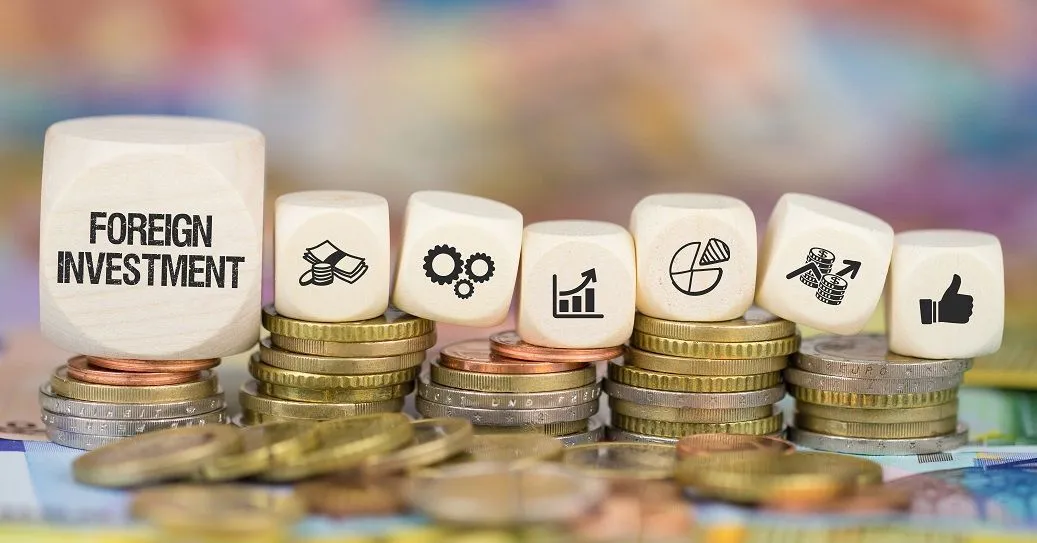
Global foreign direct investment rose 37% in the first half of 2026 compared with the average half-year level in 2025, but the apparent recovery concealed weakening activity in new projects, according to UN Trade and Development.
Its October Global Investment Trends Monitor finds that large transactions and financial flows lifted headline values while announcements of new facilities and international project-finance deals declined. The difference matters for governments trying to translate foreign investment into jobs, infrastructure and productive capacity.
Higher money flows do not necessarily mean more businesses are opening or expanding factories. A single large acquisition or financial restructuring can change reported totals without creating equivalent new capacity.
The headline and the pipeline
UNCTAD estimates that new greenfield project announcements fell 15% on an annualized basis, international project finance deal numbers declined 11% and cross-border mergers and acquisition deal numbers were down 23%.
At the same time, cross-border acquisition values rose 57% to $494 billion during the first nine months of the year. Fewer deals can therefore produce a larger total when individual transactions become more expensive.
The report emphasizes that comparisons cover different time windows and measures. The increase in first-half investment flows should not be equated with growth in first-nine-month deal values or the future value of announced projects.
A concentrated rebound
Foreign direct investment to developed economies rose by more than 70% compared with the average half-year value in 2025. UNCTAD attributes much of that shift to financial flows through Benelux countries and a near doubling of inflows to the United States.
Artificial-intelligence investment is another concentrated driver. In the United States, AI-related sectors accounted for more than 40% of announced greenfield investment value, with a few large semiconductor and digital-infrastructure commitments influencing the totals.
That pattern may benefit regions able to support power-hungry computing and industrial facilities, while countries with weaker infrastructure attract less of the new spending.
Developing economies face a different picture
Investment flows to developing economies increased 8% in the first half, but greenfield announcements fell by more than one-fifth. Project announcements linked to sustainable development goals declined more than 25%, suggesting that financing for essential services may be weakening.
Renewable-energy project-finance activity in developing economies fell by about one-third, according to the monitor, compared with a 4% decline in developed economies.
The figures are announcements and financing activity, not a direct measure of completed projects. But sustained weakness can reduce the pipeline available for future construction and jobs.
Conflict and borrowing costs
UNCTAD also identifies declining investment in tourism, transport and storage as consistent with uncertainty linked to Middle East tensions. Higher interest rates, insurance costs and energy expenses can discourage firms from committing to long-lived projects.
Governments may seek to improve permitting, contract reliability and infrastructure to attract new investment. Incentives alone are unlikely to compensate for persistent security and financing risks.
The latest monitor therefore presents a mixed recovery. Capital is moving across borders in larger reported amounts, but the activity most closely associated with new productive capacity is losing momentum. For policymakers, the quality and durability of investment deserve as much attention as the headline total.