

Manufactured Housing Puts the Full Cost of Homeownership in Focus

A Census price series shows why the home price and the finished housing cost must be separated
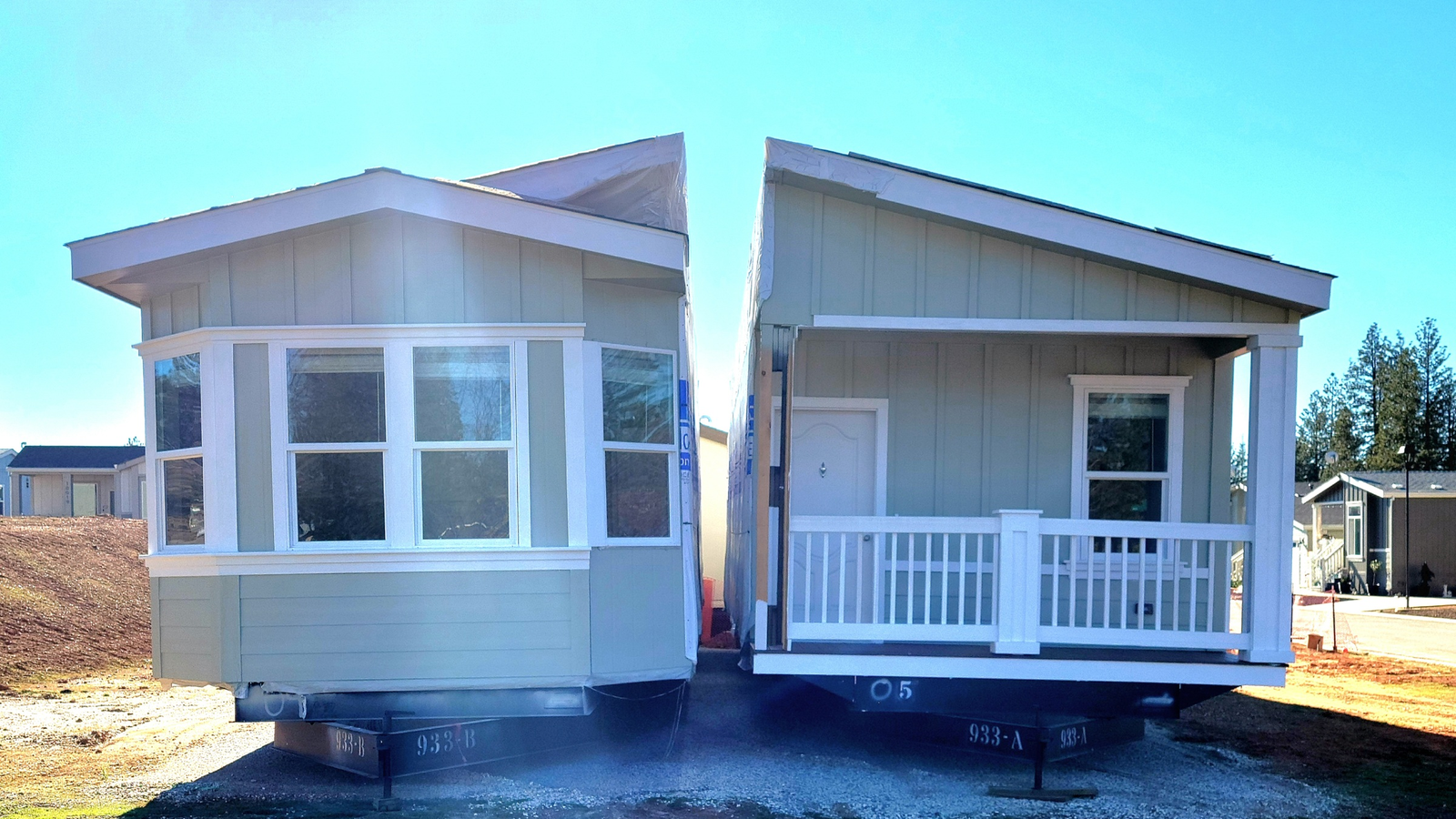
Manufactured housing deserves a practical place in the affordability debate, beginning with an honest account of what the quoted price buys. A Census Bureau series carried by the Federal Reserve Bank of St. Louis reports an average price of $80,900 for new single-section manufactured homes in June 2026. The figure excludes land. It is a home-price measure, rather than a complete budget for buying a site and moving in.
That distinction should shape both consumer decisions and public policy. An attractive purchase price can become less attainable after financing, delivery, installation and site-related expenses are considered. The relevant comparison is the total cost of a suitable home in a particular location. National averages provide context, but households need an itemized local estimate before judging whether a particular option fits their finances.
Start with comparable prices
The FRED series identifies the underlying source as the Census Bureau’s Manufactured Housing Survey. The June observation was released in the series update dated November 5, 2026. It is a monthly, not seasonally adjusted average for single-section homes. It should not be described as the median price, a quote for all manufactured homes or the price of a finished home-and-land package.
Census explains that the survey covers prices, shipments and characteristics of new manufactured housing and is sponsored by the Department of Housing and Urban Development. Shipment estimates and price measures describe different parts of the market. An increase in factory shipments does not establish that an equivalent number of buyers obtained installed homes that month. The distinction matters when measuring how quickly supply reaches households.
Manufactured housing also has a federal construction and safety framework. HUD describes standards applying to homes manufactured after June 15, 1976, and a certification label associated with compliance. Buyers and policymakers should distinguish this category from loosely used descriptions of older mobile homes or other factory-built structures. A discussion about expanding supply needs to be clear about the product and standards involved.
Make room for attainable ownership
Local officials can examine whether their rules allow compliant homes in places where people want to live. Requirements concerning lot size, placement and site design should have an identifiable public purpose. When a restriction raises costs, officials should explain the benefit it purchases and whether a less expensive approach would achieve that benefit. That review would make housing policy more accountable to residents priced out of existing options.
Land arrangements require particular attention. Owning the dwelling and owning the underlying site are different financial positions. A household evaluating leased land should understand the contract, recurring charges and the conditions governing continued occupancy. Public messaging that treats a low purchase price as the whole affordability story risks overlooking the costs and uncertainties that determine whether ownership remains sustainable over time.
Lenders, manufacturers and retailers can contribute through clearer comparisons. A useful estimate would separate the home, transport, installation, site work and financing assumptions, identifying items that remain uncertain. Consumers should be able to compare options using the same scope. The same standard should apply when government officials promote a housing initiative or estimate how much public support a buyer would need.
Manufactured homes will not fit every household or location, but affordability policy should allow them to compete on their merits. The $80,900 observation shows why the category deserves attention while its exclusions explain why careful comparison matters. A productive supply agenda would reduce unnecessary barriers, retain defensible standards and measure success in completed, usable housing that residents can afford to keep.