Mesa Verde Has a $226 Million Repair Backlog. Start With the Water Line

A national park’s maintenance ledger offers Congress a better way to rank repairs than the size of the headline number.
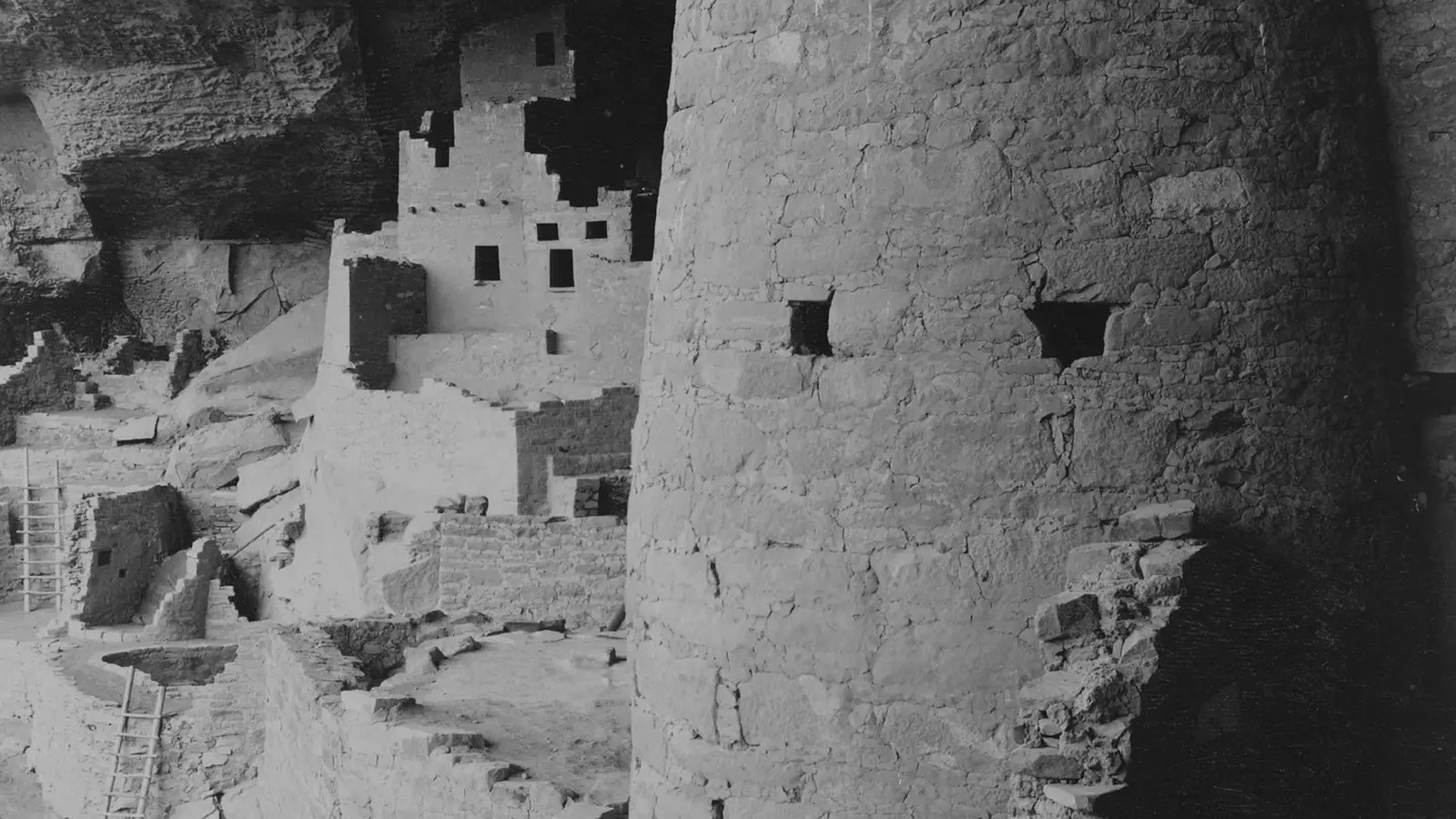
A visitor approaching Cliff Palace at Mesa Verde can see why the Colorado park deserves care. The less obvious case for spending money lies miles away, where intermittent streams cross the route of the park’s main water line. The National Park Service has proposed replacing 14 culverts that protect the pipe and the road crews use to reach it. A tour could go perfectly well for years without a visitor noticing any of them.
The agency’s Mesa Verde infrastructure inventory puts the park’s deferred maintenance and repair needs at an estimated $226 million. It also estimates about $10 million a year in routine maintenance needs. Those figures answer different questions. One describes accumulated work. The other describes the annual effort required to keep assets in service. Subtracting ten from 226 each year would make for tidy budget arithmetic and poor stewardship.
What fails first
The inventory includes 14 water systems, 14 wastewater systems and 55 miles of paved roads. A dollar assigned to any one of them counts equally in a backlog total. The consequences of postponing the work can differ enormously. A damaged road surface might be manageable through a short detour. Losing access to the only practical route for repairing a water line could turn a modest failure into a much longer interruption.
The culvert proposal gives the debate a useful degree of precision. The structures date to a waterline project in 1992. They drain water under the access road and help protect the main eight-inch line from flooding. The replacements would involve federal, state and private land. Here is a project for which a legislator could ask sensible questions about land access, seasonal work windows and what happens to the water supply during construction.
A visitor count alone would tell a different and incomplete story. Plenty of people pass the cliff dwellings. Few visit the drainage structures. Booking all the benefit where the work physically occurs would make critical infrastructure look expendable. Park managers should have room to explain those dependencies, especially when the asset supporting a popular site stands outside its boundary.
A contractor’s price is only one part of that choice. Keeping a road or water system operating during the work may be worth paying for, particularly if shutting it down would cut visitors off from an entire part of the park during its busiest weeks.
What a repair appropriation buys
Congress can ask for a short list of projects ranked by the service at risk, the cost of delay and the availability of a workable backup. It can also ask who will maintain the replacement once the capital appropriation runs out. Those questions leave local staff to decide whether a particular crossing needs a larger culvert or a different alignment. They give taxpayers a way to judge the decision afterward.
The same discipline applies when a backlog grows following a new inspection. Discovering an expensive defect may be evidence that an inspector did the job well. A smaller total can also conceal a decision to put off looking. The more revealing public record would show how many high-consequence deficiencies were corrected, which remained open and why.
Mesa Verde’s archaeological sites give the public an obvious reason to protect the park. A functioning water system is part of what makes that protection possible. Before the next round of repairs, appropriators should be able to trace the route from the dollars they approve to the service those dollars keep available. For this park, a good place to begin is fourteen ordinary crossings along a water line.