


Food Waste Is a Household Budget Problem With Practical Fixes

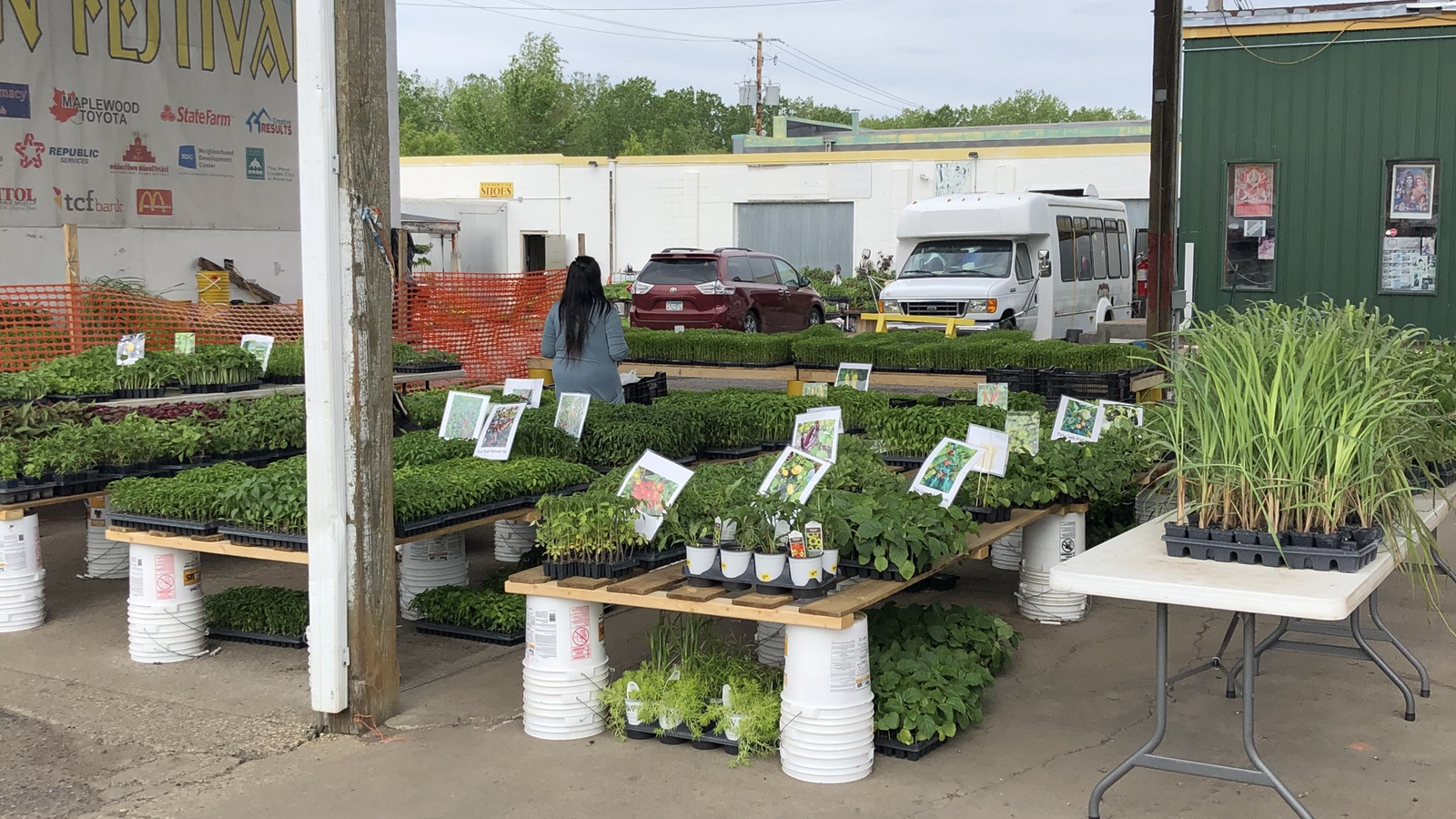
Federal estimates put the uneaten share of the American food supply between 30 and 40 percent
Food waste deserves attention as a household budget and business efficiency problem. Federal agencies estimate that 30 to 40 percent of the U.S. food supply goes uneaten. The estimate describes a broad national problem, rather than the behavior of every family. It nevertheless points toward practical savings from better purchasing, clearer information and handling practices that preserve food without compromising safety.
The immediate financial logic is easy to understand. Food that is purchased and discarded provides no meal for the money spent. Businesses face a similar calculation when inventory spoils or goes unsold. Reducing those losses can improve value without requiring families to buy a new product or government to create an elaborate new subsidy. The challenge is to identify workable changes and measure their results.
Prevention has a direct payoff
EPA’s national food-loss and waste goal describes the uneaten share of the supply and the resources used to produce it. The agency frames prevention as a way to improve economic efficiency and food security while conserving resources. Its 2030 goal seeks to cut food loss and waste in half. A goal should be reported as an objective, rather than evidence that the reduction has already occurred.
The national estimate also includes losses at different points in the food system. A household cannot solve a distribution problem simply by planning dinner more carefully. Retailers, processors and other businesses need their own operational measures. Policymakers should identify where a proposed intervention acts and how it would reduce a particular loss, rather than attaching every initiative to the same large national percentage.
One practical issue is the meaning of date labels. FDA says confusion over labeling contributes to consumer waste and supports the phrase “Best if Used By” to indicate quality. The agency distinguishes quality-based dating from safety requirements and identifies infant formula as an important exception. It also directs consumers to storage guidance, including FoodKeeper. That guidance should remain part of any discussion encouraging people to waste less.
Save food without guessing about safety
For households, planning purchases around food already on hand can reduce duplicate buying. Portions and package sizes should match likely use, rather than the appeal of a lower unit price alone. Safe storage and timely freezing can help when appropriate. The useful habit is to consider how food will be used before purchasing it, then follow reliable guidance for that particular product.
Businesses can apply the same discipline at a larger scale. Inventory records, demand estimates and clear handling procedures can reveal recurring losses. A restaurant or retailer should be able to compare the cost of prevention with the value of food preserved. A change that works in one operation may fail in another, so reported results should identify the setting and measurement method instead of promising universal savings.
Government’s role can focus on understandable information and rules that do not needlessly obstruct responsible practices. Any publicly funded project should specify the food loss it expects to prevent, the cost and the evidence required to show improvement. Measuring meals or usable food preserved would be more informative than counting promotional events. Programs that cannot demonstrate value should face the same review as other public spending.
The 30 to 40 percent estimate is a reason to examine waste, not an instruction to ignore food safety or assume every discarded item was avoidable. Practical improvements can protect family budgets and business margins while reducing resource losses. A credible policy agenda would help people make informed choices, support measurable efficiency and reserve public money for actions with a clear, defensible payoff.