


WHO Issues First Global Type 1 Diabetes Guidance for Adults

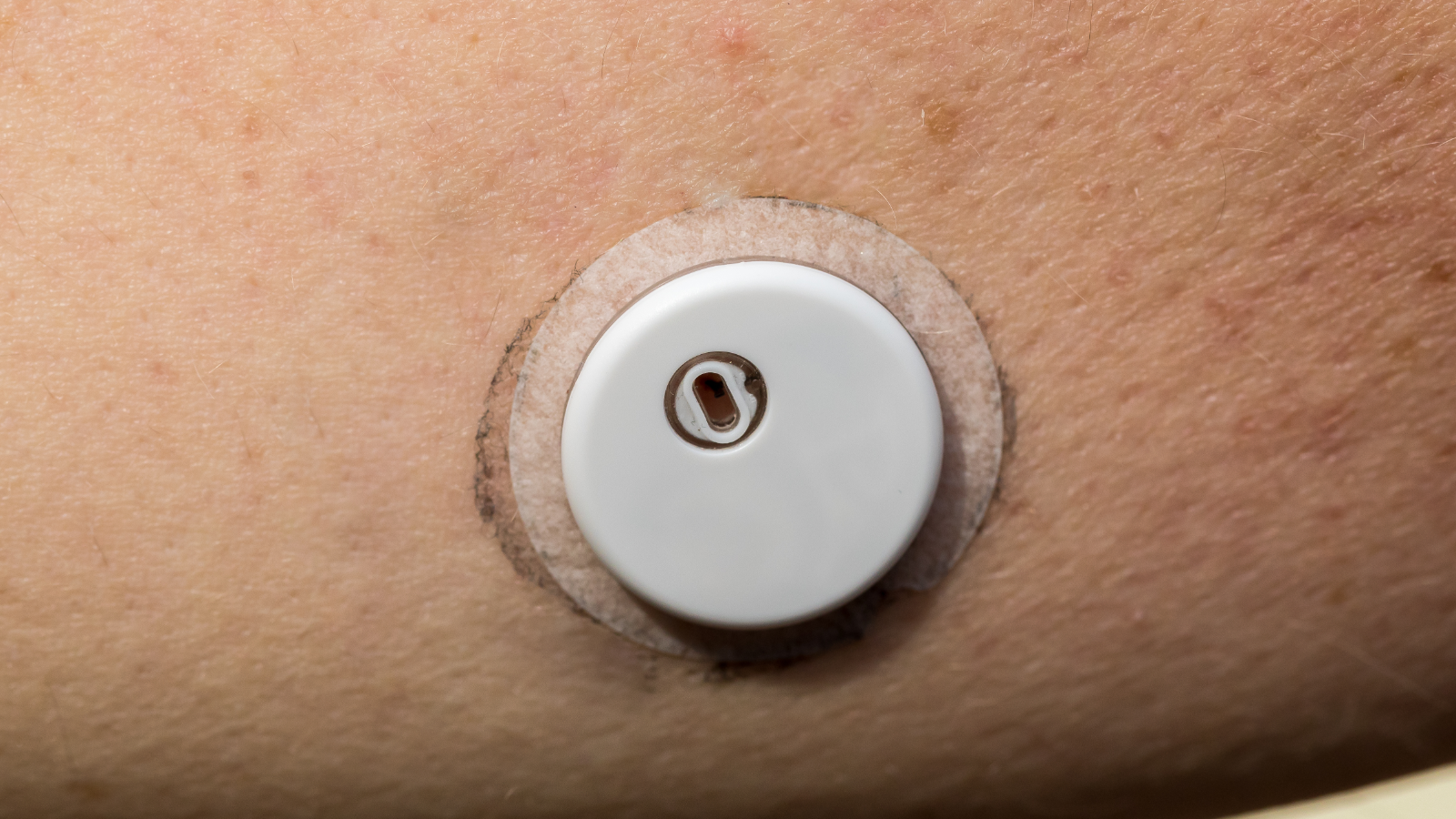
New recommendations emphasize affordable insulin, monitoring and continuity of care, including in low-resource and emergency settings.
The World Health Organization has issued its first global guidance specifically addressing the diagnosis and management of type 1 diabetes in adults, placing access to affordable insulin and practical monitoring at the center of care.
Released for World Diabetes Day on November 14, the guidelines are designed for healthcare systems ranging from specialist clinics to emergency and humanitarian settings. WHO estimates that about 9.5 million people lived with type 1 diabetes in 2025, with roughly 500,000 additional diagnoses during that year.
The announcement addresses a persistent problem: more than a century after insulin was discovered, many people still struggle to obtain the medicine and supplies they need to live safely.
A lifelong treatment requirement
Type 1 diabetes occurs when the body produces insufficient insulin, meaning patients need replacement insulin to survive. The condition is not limited to childhood, and its management requires ongoing decisions about dosing, food, exercise and illness.
WHO recommends intensive insulin therapy through multiple daily injections, with adjustments guided by blood glucose levels. The guidelines recognize human insulin as an appropriate and effective option, often at lower cost than some alternatives.
Other insulin formulations can be used when clinically needed. Choosing treatment requires professional assessment, not a blanket preference detached from a patient’s circumstances.
Monitoring in different settings
The guidelines support regular measurement of blood glucose and longer-term control. Patients may use finger-prick testing or continuous glucose monitors, which can help reveal patterns that are difficult to capture with occasional measurements.
However, the availability of sensors, strips and reliable electricity varies substantially across health systems. WHO therefore includes options adapted to constrained settings, while emphasizing the importance of safe and effective care.
In emergencies, disrupted supply chains can make insulin refrigeration, distribution and follow-up especially difficult. Continuity planning should account for medicines, testing supplies and access to trained staff.
Affordability is part of quality
The clinical value of a medicine is limited when patients cannot obtain it consistently. High out-of-pocket costs can lead to skipped doses, delayed testing or repeated emergency care.
Governments may reduce those risks through dependable procurement, price transparency, pooled purchasing and stronger primary-care services. Insurance coverage and patient education also shape practical access.
The WHO’s guidance contributes to an international target that all people with type 1 diabetes should have affordable insulin and blood glucose self-monitoring by 2030. That is a policy objective, not a statement that access has already been achieved.
Measuring improvements
Diabetes services must be judged by treatment continuity, the prevention of complications and patients’ ability to manage their condition. Counting the number of guidelines distributed would be a weak indicator on its own.
WHO also encourages countries to involve people living with type 1 diabetes in designing and evaluating programs. Their experience can reveal barriers that procurement statistics miss.
The new guidelines provide an evidence-based framework for adult care. Their public-health value will depend on whether countries can turn recommendations into affordable medicines, monitoring and clinical support available every day.
Adult patients may also need support in workplaces, universities and community settings rather than only hospitals. Accessible training can help them recognize dangerous blood glucose changes and communicate treatment needs. Emergency plans should account for travel, disruptions to refrigeration and temporary loss of local healthcare access.