


Retailers forecast record $1 trillion holiday season, with inflation doing some of the lifting
The National Retail Federation expects sales to grow 4.2% in November and December, but higher prices account for about half of that.

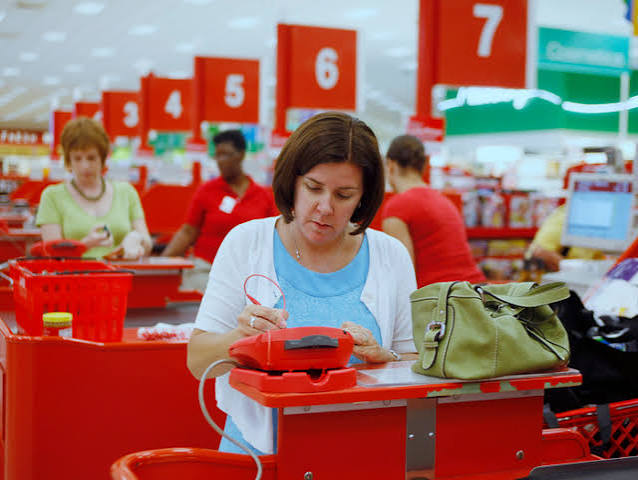
WASHINGTON — Americans are expected to spend more than $1 trillion during the holiday shopping season for the first time, the nation’s largest retail trade group predicted Thursday, though higher prices will account for a large share of the increase.
The National Retail Federation forecast that sales in November and December will grow 4.2% over last year, to $1.013 trillion, according to the group’s annual forecast. Holiday sales rose 3.1% to $972 billion in 2025.
If the forecast holds, it would be the fastest holiday growth since 2021, when sales jumped 12.6%.
A resilient shopper
“We all acknowledge households continue to navigate persistent inflation and uneven confidence about the economy,” NRF President and CEO Matthew Shay told reporters.
NRF Chief Economist Mark Mathews said the forecast reflects “a consumer economy that remains remarkably resilient.” He pointed to 12 straight months of retail sales growth through September, according to the group’s monthly Retail Monitor.
Mathews said the forecast was based on five factors: inflation, income, the labor market, household wealth and consumer confidence.
Prices doing part of the work
The forecast is not adjusted for inflation. The NRF and other groups that have released holiday forecasts said higher prices would account for about half of the expected growth, The Associated Press reported.
The NRF expects core goods inflation to average 2.5% this year, up from 1.6% in 2025. Fuel costs have climbed since the U.S. war with Iran began in late February, and higher transportation costs ripple through to store shelves.
More than half of holiday shoppers, 56%, said the state of the economy would affect their spending plans, according to the NRF’s October consumer survey. Many shoppers said they plan to adjust their strategies rather than skip the season, by hunting for deals and spreading out purchases.
Higher-income shoppers lead
Economists expect wealthier households to drive much of the growth. Retail spending has been split between higher-income consumers, who have benefited from rising stock and home values, and lower-income families who have been squeezed by prices for food, rent and gasoline.
The NRF’s forecast covers Nov. 1 through Dec. 31 and excludes car dealers, gas stations and restaurants. The group does not separate online and in-store sales because shoppers increasingly move between the two.
Holiday spending accounts for about 19% of the retail industry’s annual sales, and even more for some types of stores.
Small shops count on the season
For many independent retailers, the final two months of the year can decide whether they turn a profit. Small Business Saturday sales are forecast to rise 7.5% this year, to $6.78 billion, according to estimates from eMarketer and Salesforce reported by Talk Business & Politics.
Not every forecast is as upbeat as the NRF’s. Those firms predict holiday retail sales will grow 4.1%, below the pace expected for the full year, citing higher gas prices, persistent inflation and tariffs. They expect online sales to pass $300 billion for the first time, with 21.5% of holiday spending taking place online, and mobile shopping to account for most of that growth.
Another forecaster, which tracks spending across all payment methods including cash, predicted a 5.5% increase in holiday sales from Nov. 1 through Dec. 24.
The NRF has forecast that total retail sales for 2026 will grow 4.4% to $5.6 trillion.
Because the forecasts cover different categories and date ranges, their headline growth rates are not necessarily directly comparable measures of the same spending.