

Hegseth tells Southeast Asian allies US will defend its interests in the Pacific
At an ASEAN gathering in the Philippines, the defense secretary proposed a new defense framework as regional partners question whether the Iran war is stretching US forces thin.

CEBU, Philippines — Defense Secretary Pete Hegseth sought this week to reassure Southeast Asian nations that the United States remains committed to the Indo-Pacific, even as the war with Iran draws heavily on American military resources.
“We will defend our interests and the interests of our allies and partners. That is, by definition, peace through strength,” Hegseth told defense ministers from the Association of Southeast Asian Nations at a meeting in Cebu on Wednesday, Reuters reported.
A new framework
Hegseth proposed that the United States and ASEAN develop a defense cooperation framework, pointing to the 50th anniversary of relations between the bloc and the United States next year as an important milestone.
He described the American approach as “strong, quiet and clear.” He said U.S. posture should be strong enough to deter coercion and aggression, and quiet enough to avoid needless escalation or public theatrics.
Hegseth said the United States would back its commitments with practical cooperation, including better maritime domain awareness and greater interoperability with partner forces.
Doubts in the region
Hegseth’s visit comes as governments across Asia weigh whether Washington can stay focused on the Pacific while the Iran war strains U.S. military resources and creates political pressure at home.
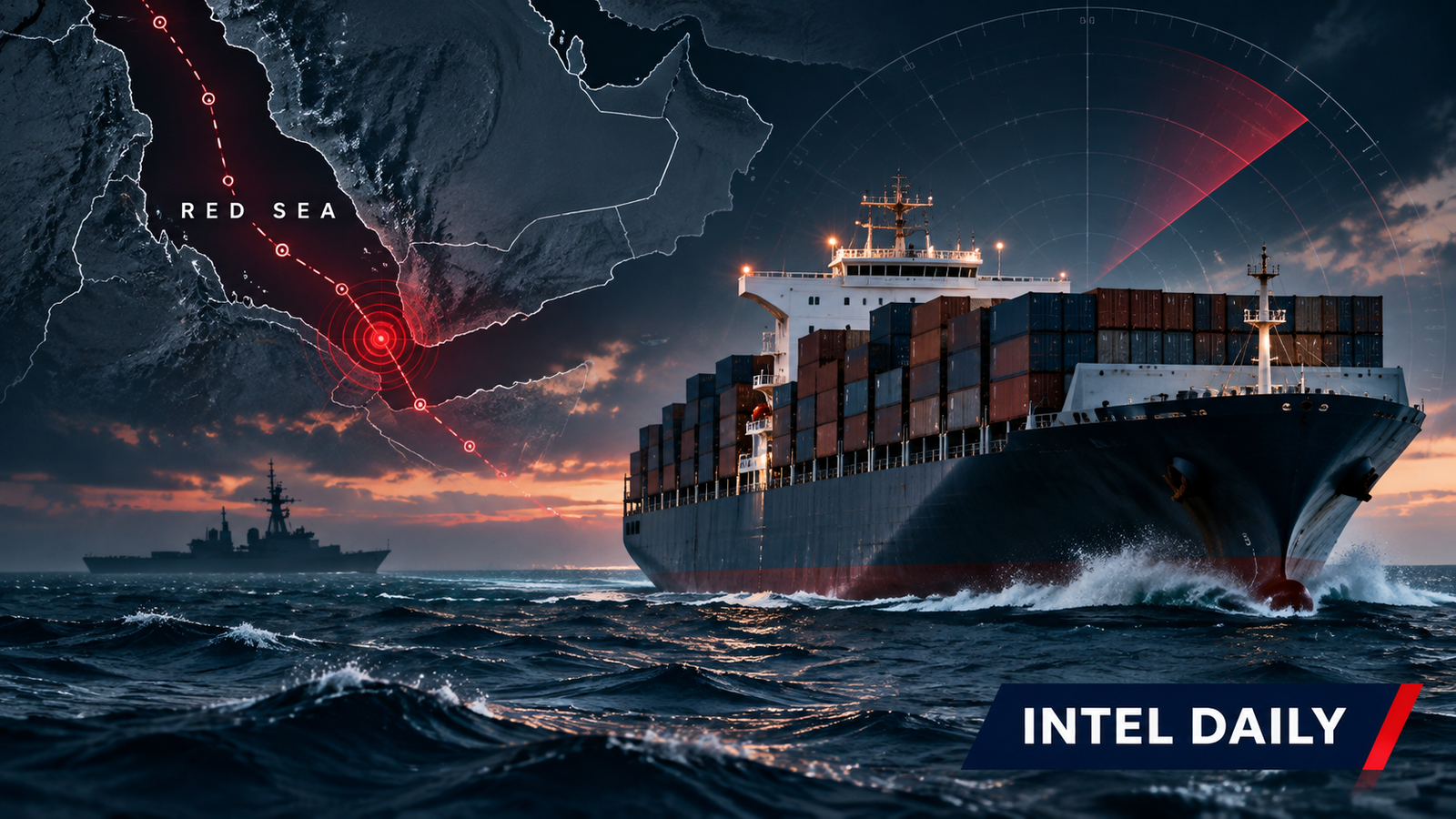
Southeast Asia has been hit hard by the war’s economic effects. The conflict, which began with U.S. and Israeli strikes on Feb. 28, has disrupted global shipping and oil markets and exposed the region’s dependence on imported fuel. Energy security has risen on ASEAN’s agenda as a result.
Tensions between the Philippines and China have added further friction. China claims almost all of the South China Sea, while the Philippines, Vietnam, Malaysia and other countries claim parts of it.
China skips
China’s defense minister, Dong Jun, did not attend the meetings in Cebu, Bernama reported, citing Anadolu. The gathering marked the 20th ASEAN Defense Ministers’ Meeting and the 13th ASEAN Defense Ministers’ Meeting-Plus, which brings in partners including China, Japan, South Korea, Australia and India.
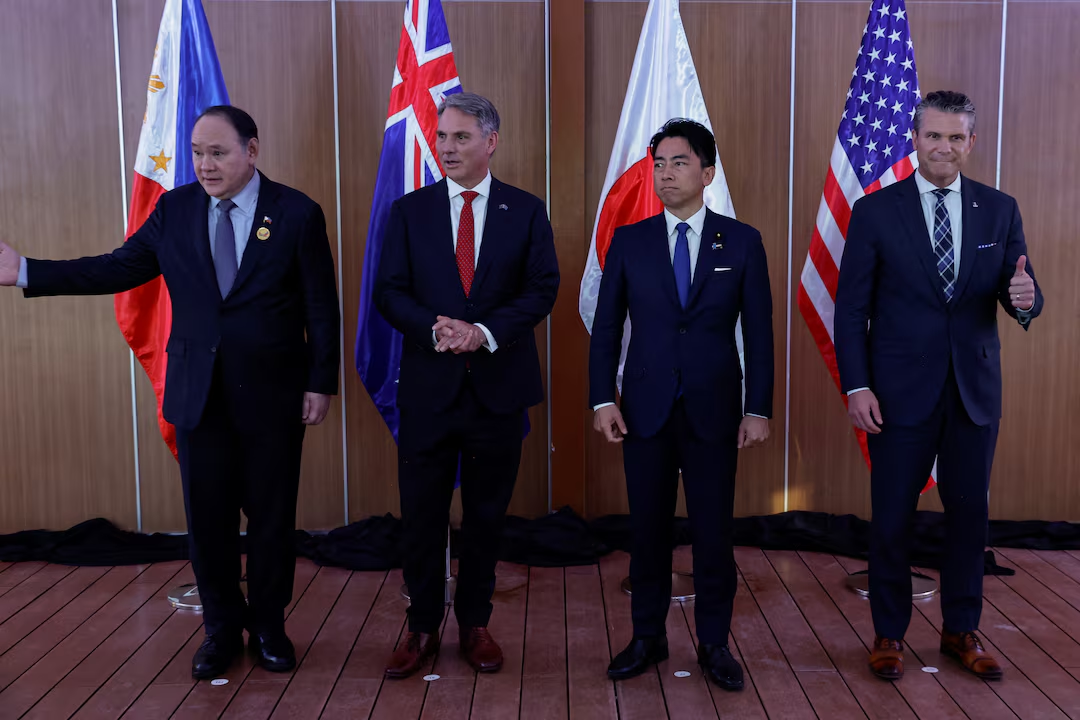
On Thursday, Hegseth joined an expanded meeting bringing together ASEAN’s 11 members and eight partners, including Russia. Defense chiefs from the so-called Squad, an informal grouping of the United States, Japan, Australia and the Philippines, also met on the sidelines.
Gregory Poling, a fellow with the Southeast Asia Program at the Center for Strategic and International Studies, said the Philippines’ year as ASEAN chair has been a difficult balancing act.
Praise for ASEAN
In remarks Thursday, Hegseth praised ASEAN’s leadership on regional security, the Pentagon said. “ASEAN’s leadership here demonstrates what the institution can achieve when it acts with purpose and resolve,” he said, adding that the United States will continue to do its part.
Hegseth said the United States aims to be more ambitious in building a defense cooperation framework with the bloc as it approaches its 50th anniversary.
Pressure at home
The trip came days before the Nov. 3 midterm elections, in which the Iran war was a major issue. Hegseth has faced criticism in Congress over the conduct and cost of the war, and Rep. Thomas Massie, R-Ky., has introduced articles of impeachment against him.
Last year, at a similar ASEAN gathering in Malaysia, Hegseth told his Chinese counterpart that the United States would “stoutly defend” its interests in the Indo-Pacific and signed a 10-year defense framework with India.
ASEAN was founded in 1967 to promote economic growth and stability among its members. The Philippines holds the bloc’s rotating chairmanship this year.