Pentagon opens a path from active duty to military chaplaincy

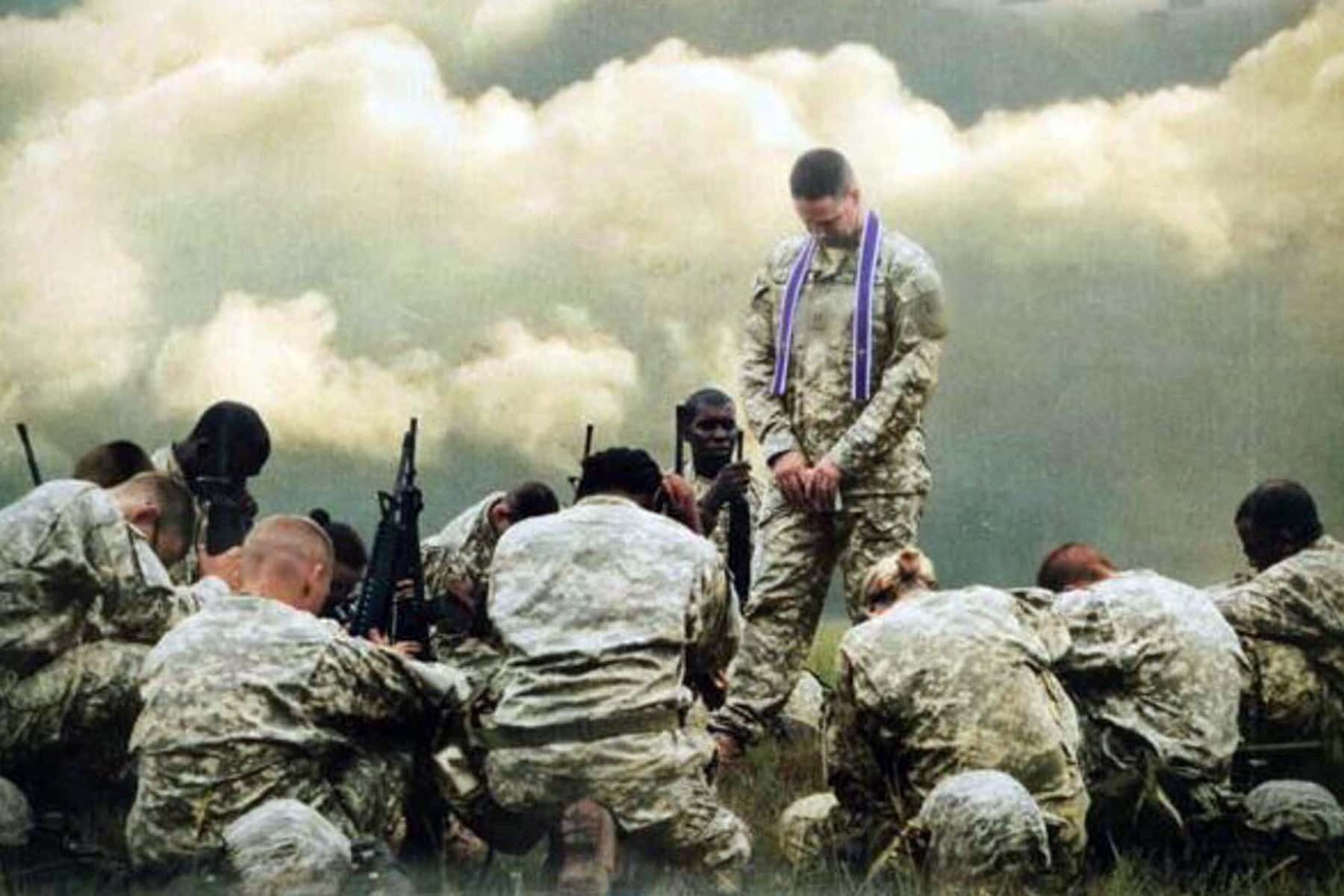
WASHINGTON — Service members who feel called to ministry have a new route to military chaplaincy that allows them to pursue graduate theological education while remaining in uniform, under a program announced by Defense Secretary Pete Hegseth.
The Chaplain In-Service Procurement Program aims to recruit future chaplains from the military’s own ranks. The Navy outlined its version in an Oct. 30 administrative message, Military Times reported. It is a career change with a substantial service commitment, rather than an unrestricted education benefit.
Qualified Navy and Marine Corps officers and enlisted personnel can be considered, including specified reserve personnel serving on active duty. The Navy program is open to applicants from faith traditions endorsed for military chaplain ministry. Completing a graduate degree is only one step toward qualifying for a chaplain’s commission.
Who can qualify
The federal law authorizing the program sets different experience requirements for officers and enlisted applicants. Officers must have two to eight years of active-duty service and be in pay grade O-3 or below when training starts. Enlisted members must have four to 10 years of active service, hold pay grade E-5 or above and qualify for a commission. U.S. citizenship is required.
Selection is competitive and tied to military needs. Each military department may fund education for up to 25 new participants per fiscal year. The law also permits additional participants whose educational expenses are not funded, without counting them against that ceiling.
Training must lead to an eligible graduate degree at an accredited American college, university or theology school. The statute directs selection without favoring shorter ordination or seminary requirements.
A commitment after school
Participants generally owe two years of active duty for each year, or part of a year, of training, with that obligation capped at six years. Agreements can permit some remaining service to be completed in the Selected Reserve under a different formula. Leaving the program because of academic or conduct deficiencies can trigger additional service or repayment requirements.
A separate career flexibility provision, 10 U.S.C. 710, addresses the period after the degree. When a military department operates a qualifying career intermission program, it must provide an appropriate inactive period for graduates to obtain the ministry experience needed for chaplain appointment.
That distinction separates academic preparation from professional formation. A person can finish the required coursework and still need experience serving a religious community before returning as a chaplain. The law connects those stages instead of assuming that graduation alone supplies every qualification.
What remains to be settled
As of the announcement, the Navy had not published its application dates or selection board schedule, according to Military Times. Further administrative messages are expected to spell out deadlines and application procedures.
The program’s first practical test will be whether eligible troops can move through those requirements without losing track of their existing military obligations. Applicants will need to distinguish eligibility to compete from actual selection, funding and eventual commissioning.
For the services, the new pathway creates an opportunity to develop ministers who already understand military life. Its results will depend on how many selected members finish their education, meet their faith community’s requirements and return to serve as chaplains. Those are separate milestones, and an announcement alone does not establish how many future chaplains the program will produce.
Congress also required annual reporting on participation, completion and costs, providing a way to assess whether the new pathway delivers its promised staffing benefits.