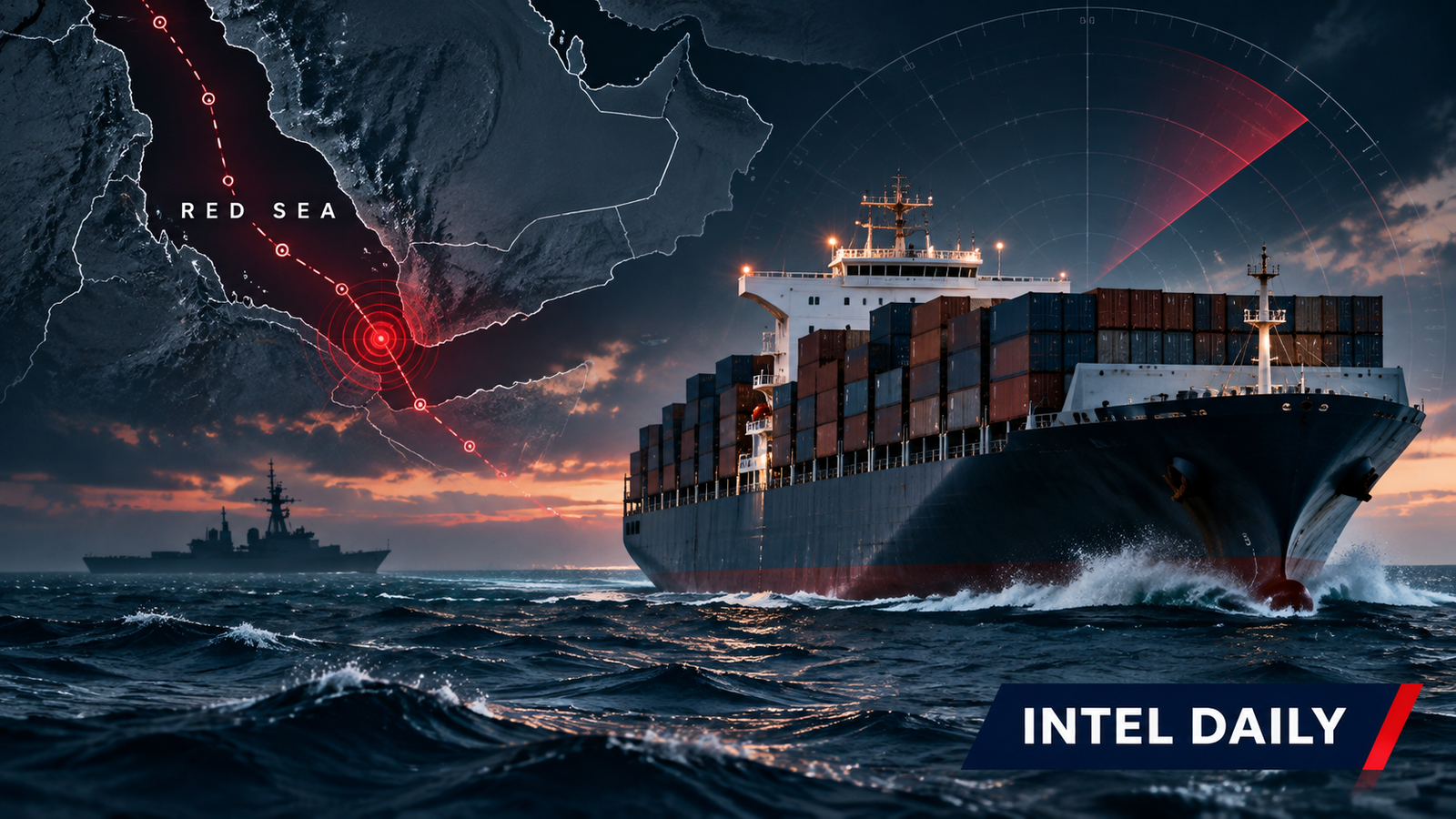


Iran offers to reopen Strait of Hormuz in two days under Qatar-brokered plan
Oil prices tumbled on hopes of a deal, but talks in Doha ended without a breakthrough and Iran's conditions remain steep.

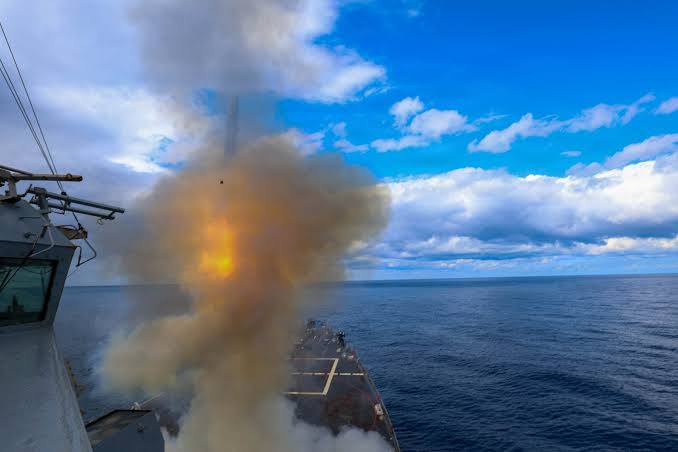
DOHA, Qatar — Iran said Monday it is ready to reopen the Strait of Hormuz within two days if the United States meets its conditions, after three days of talks with Qatari mediators aimed at ending the eight-month war.
Iranian Foreign Minister Abbas Araghchi said Qatar persuaded Tehran to shorten its original seven-day plan to two days. Under the proposal, Washington would carry out a package of measures on the first day, and Iran would reopen the strait and restore normal navigation on the second, Reuters reported.
Iran said “intensive” exchanges with Washington were underway through mediators.
Iran’s demands
The plan would require the United States to lift its blockade of Iranian ports, grant a waiver for Iranian oil sales and cancel new sanctions. Other issues would be left for later talks.
In September, Iran had proposed a seven-day plan that also demanded an end to the war on all fronts and the unfreezing of Iranian assets, according to AFP.
Iran has rejected handing over its stockpile of highly enriched uranium to a third country, a key sticking point. President Donald Trump has said he wants to seize or eliminate the material.
Washington had not publicly responded to the plan as of Monday.
Oil prices fall
Oil prices dropped sharply on hopes of a deal. Prices fell by as much as 8% at one point, according to Gulf News, though Brent crude, the international benchmark, remained above $105 a barrel. Physical supply is still well below prewar levels.
The drop reversed much of a strong October for oil. Analysts warned that Brent could climb as high as $120 if tensions flared again after Tuesday’s U.S. midterm elections.
A Qatari delegation traveled to Tehran on Monday night to continue mediation, according to Reuters.
No breakthrough yet
Iranian negotiators left Doha on Sunday. An official briefed on the talks said the departure was not because of difficulties in the negotiations.
But no agreement was announced, and later reports of a U.S. strike on Iran’s Qeshm Island and of advice in Washington to keep economic pressure on Tehran clouded the optimism, according to market analysts. Araghchi said Iran was prepared for “defence and diplomacy.”
Recent weeks have also seen an increase in attacks on oil tankers transiting the strait, even as shipments from some major exporters have risen.
A long standoff
Iran closed the strait after the United States and Israel launched strikes on Feb. 28 during talks over Tehran’s nuclear program. The waterway carries a large share of the world’s oil and liquefied natural gas.
A ceasefire in the spring and an interim agreement in June briefly eased the crisis, but fighting resumed in July. The United States has since maintained a blockade of Iranian ports.
The war has pushed U.S. gasoline prices to record highs for an Election Day, according to GasBuddy. Republicans fear the fuel costs will hurt them at the polls as voters cast ballots Tuesday.
The war has killed thousands of people in Iran and Lebanon and dozens more across Israel and the Gulf states, according to tallies reported by The Associated Press earlier this year.
Mediators including Qatar, Oman and Pakistan have worked for months to bridge the gap between the two sides. Indirect talks have repeatedly broken down over the sequencing of U.S. concessions and the fate of Iran’s nuclear program.