Church zoning fights put federal religious protections before two appeals courts
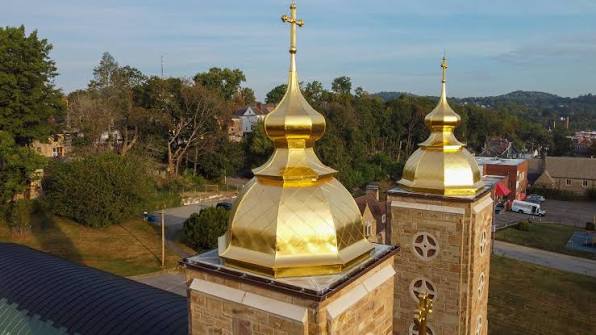
Two church building disputes are testing how quickly federal religious liberty protections can overcome local zoning barriers, with congregations in Pennsylvania and North Carolina seeking relief in separate appeals courts.
The cases involve different properties and different procedural positions. Both turn on the boundary between local land-use authority and a federal law intended to protect religious exercise. Neither dispute means churches are automatically exempt from every zoning requirement.
Pennsylvania church seeks rehearing
Holy Trinity Ukrainian Catholic Church asked the full 3rd U.S. Circuit Court of Appeals to review a divided decision denying immediate relief in its dispute with Collier Township, its attorneys announced Nov. 3.
The church wants to build a shrine and associated worship facilities on land used as a cemetery. Its lawyers say the township permits comparable secular activities while restricting the church. They point to a nearby carpenters’ union campus and to zoning provisions allowing recreational facilities.
The legal team includes First Liberty Institute, Troutman Pepper Locke and the Independence Law Center. It argues that a congregation should not have to wait for the conclusion of lengthy litigation when it is likely to prevail on a claim of religious discrimination.
Those assertions reflect the church’s position. A petition for rehearing asks the court to reconsider an existing decision; filing it does not establish that the court will do so or that the church has received permission to begin construction.
North Carolina appeal moves forward
In the second case, lawyers for The Summit Church argued Oct. 27 before the 4th U.S. Circuit Court of Appeals after Chatham County challenged a preliminary injunction favoring the congregation, according to First Liberty’s account of the hearing.
The church sought rezoning for a permanent building after growth at its Chapel Hill campus. Its lawyers say the proposed site was near shopping, retail and professional offices. They contend that objections during public proceedings extended beyond the building’s size to the congregation’s conservative beliefs.
The Justice Department participated in the argument in support of the church, according to the legal team. The county’s appeal means the lower court’s interim relief remains contested, rather than marking the end of the dispute.
What federal law protects
The Justice Department’s explanation of the Religious Land Use and Institutionalized Persons Act describes several distinct protections. The law addresses substantial burdens on religious exercise, unequal treatment compared with secular assemblies, discrimination based on religion, total exclusion and unreasonable limits on religious institutions.
A substantial burden must satisfy a demanding justification: a compelling government interest pursued through the least restrictive means. The department and private litigants can enforce the law.
Those standards make the evidence behind a zoning decision central. The relevant questions can include which activities a district permits, how officials treated comparable applications and what reasons appear in the public record. A disagreement about traffic or building size is analytically different from an objection to a congregation’s theology.
The immediate question in both appeals is the availability of relief while litigation continues. An interim order can determine whether a congregation waits to use its property, but it is not necessarily a final judgment resolving every issue. The two cases will proceed separately, and success for one church would not automatically approve the other’s building plans.
For congregations planning a new facility, the distinction matters financially as well as legally: buying property, preparing plans and securing approvals are different steps, and a favorable argument does not complete them all.