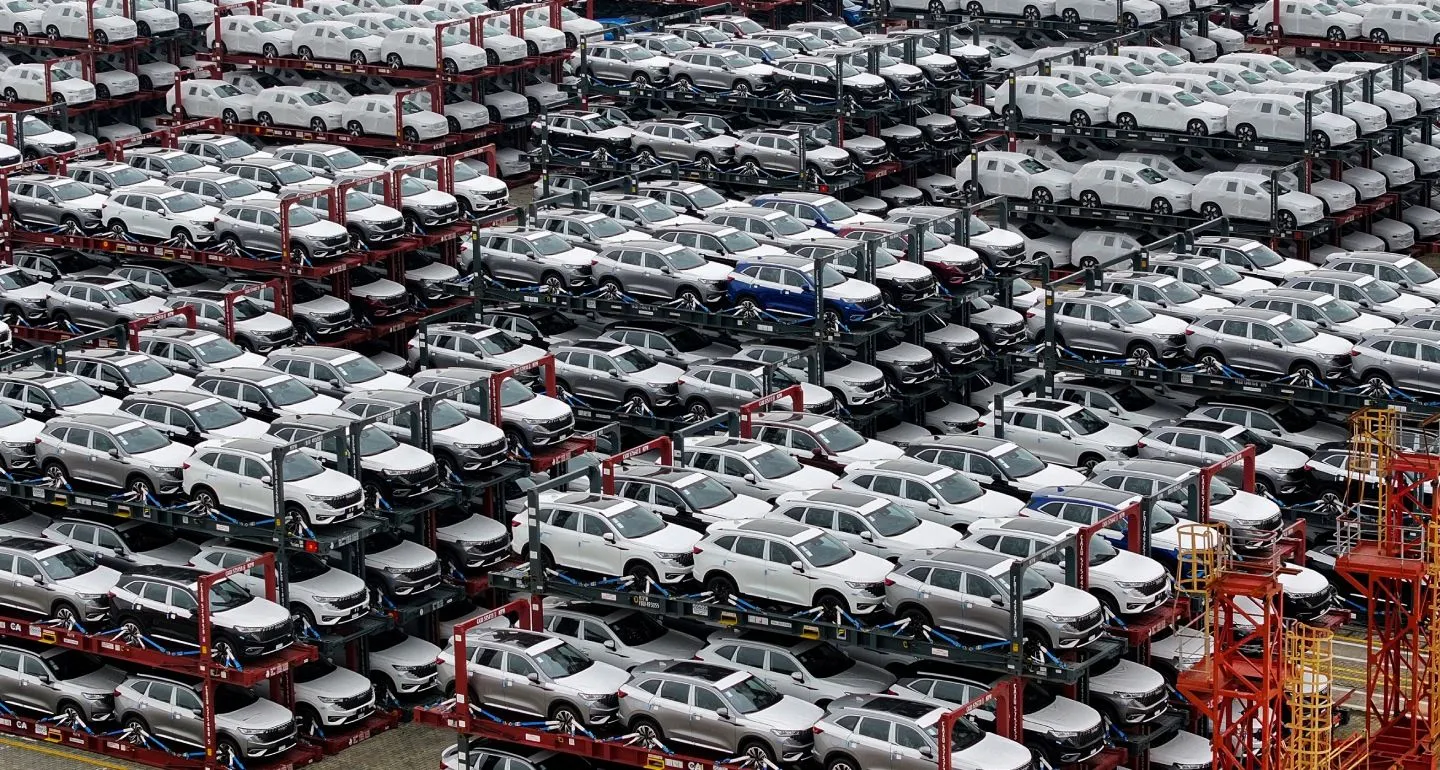
Clean-Energy Trade Surpasses $1.8 Trillion as Climate Barriers Persist

UNCTAD says green-technology exports are booming, yet trade rules are not consistently designed to speed deployment in vulnerable economies.
Trade in technologies associated with solar and wind power exceeded $1.8 trillion in 2025, according to a new United Nations assessment, underscoring how climate policy has become an industrial and commercial issue as much as an environmental one.
UN Trade and Development’s November Global Trade Update says international supply chains are essential to making clean technology affordable. Yet its review of trade agreements finds that relatively few climate provisions address barriers that directly affect the movement of goods and services.
The gap matters most for economies that need imported equipment, technical expertise and finance to modernize power systems. A country may set ambitious climate targets but face high costs if imported components are delayed or subject to incompatible rules.
A large and growing market
Solar panels, wind equipment and associated components represent a substantial part of global manufacturing and shipping activity. UNCTAD says goods associated with solar and wind value chains grew faster than other manufactured exports in 2025.
That creates opportunities for countries supplying materials, equipment, engineering and related services. It also raises concerns about concentration when a small number of manufacturers dominate critical stages of production.
The International Energy Agency’s Renewables 2026 forecasts renewable electricity capacity will expand by more than 4,770 gigawatts between 2026 and 2031. If that growth materializes, trade networks will need to deliver equipment efficiently across a wide range of markets.
The IEA projection is a scenario based on current policies and conditions, not a promise that all planned projects will be built on schedule.
Climate language versus practical access
UNCTAD reviewed 179 climate-related provisions in eight agreements signed between 2023 and 2025. About 22% express general climate intentions and 18% emphasize cooperation. Only 7% specifically address reducing tariff or non-tariff barriers.
That is an important distinction. Diplomatic commitments can signal intent, but import duties, inconsistent testing requirements, customs delays and restrictive service rules affect project costs directly.
Firms exporting equipment may face different certification regimes in neighboring markets, increasing costs for relatively small companies. Engineers and installers may also encounter limits on cross-border services.
The opportunity beyond electricity
The report highlights sustainable sectors that could diversify developing economies, including biodiversity-based goods, ocean-related services and substitutes for plastic products. Those markets can create jobs and exports, but local benefits depend on value added, skills and environmental safeguards.
Climate adaptation has its own needs. Water storage, resilient farming technologies and better infrastructure are frequently identified as priorities, especially in regions exposed to drought and flooding.
Removing unnecessary trade friction will not automatically create successful local industries. Countries also require logistics, finance, standards laboratories and firms capable of serving international buyers.
An implementation test
Negotiators face a choice between climate clauses that are largely declaratory and measures that change how goods and expertise cross borders. Better cooperation on standards, customs and financing could bring practical benefits without abandoning legitimate environmental protections.
The $1.8 trillion figure reveals the scale of the market already at stake. UNCTAD’s warning is that policy must move beyond statements of purpose if climate technology is to reach the places where it is most urgently needed.