


Southeast Asia’s Electric-Car Sales Reach 30% Share as Fuel Risks Rise

IEA analysis finds rapid progress in transport electrification, but industry, charging and grid investment remain uneven.
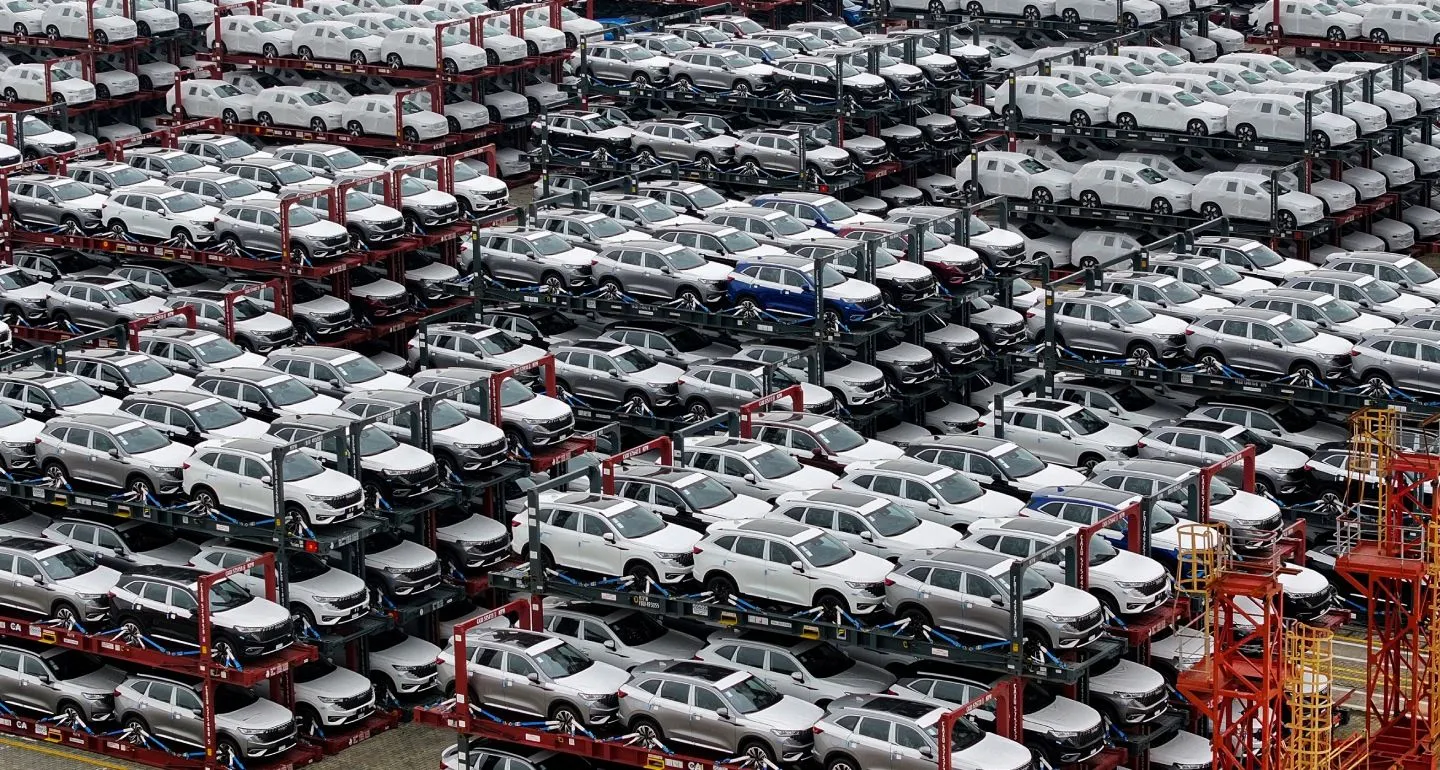
Electric cars accounted for roughly 30% of new vehicle sales in Southeast Asia during the first half of 2026, according to the International Energy Agency, reflecting a striking acceleration in a region increasingly concerned about the price and reliability of imported fuel.
The figure follows a doubling of regional electric-car sales in 2025, when they reached nearly one-fifth of new car sales. In its November report on accelerating electrification, the IEA argues that replacing fossil-fuel use with electricity can strengthen energy security while supporting growth.
The sales share describes newly purchased cars, not the proportion of vehicles already on the roads. Converting the region’s entire fleet will take years, and infrastructure remains a constraint.
Beyond passenger cars
Electricity’s share of Southeast Asia’s final energy consumption rose from 12% in 2000 to 25% in 2025, exceeding the global average of 23%. Most of that progress came from existing electricity uses such as cooling, lighting and appliances.
Buildings are the most electrified sector, at 56%, while industry’s electrification rate is 29%. Transport remains below 0.5% when measured by electricity’s share of its total energy consumption, despite the rapid increase in new electric-car purchases.
These indicators have different denominators. A high share of electric cars among new sales can coexist with low overall electricity use in transport because motorcycles, trucks, buses and older vehicles still burn liquid fuels.
Reducing import exposure
Many countries in the region import substantial volumes of oil or gas. Electric mobility could reduce exposure to global fuel-price shocks, particularly if additional electricity comes from domestic renewable resources.
The IEA’s Southeast Asia energy research recommends diversified supply routes, more use of domestic resources and stronger efficiency alongside electrification. Those policies are complements rather than substitutes.
Country circumstances differ. Viet Nam’s overall energy-use electrification rate is approaching 30%, while some regional economies remain below 20%. Grid reliability, incomes and the industrial mix determine which measures are most useful.
Charging becomes an investment test
Electric cars can offer lower running costs to some drivers, but their purchase price and the availability of chargers can discourage adoption. Access to affordable credit and clear equipment standards can be as important as tax incentives.
Public buses and business fleets are potential early markets because routes and charging needs can be planned. Managed charging may avoid adding to evening electricity peaks, lowering the need for costly grid reinforcements.
Industry is a separate challenge. High-temperature processes still rely heavily on fuels, and conversion may require specialized machinery, technical expertise and reliable power. Policymakers should avoid assuming the transport experience will transfer directly to factories.
The next measure of success
The IEA recommends faster renewable procurement, battery storage, stronger appliance standards and targeted finance for efficient electric equipment. Regional power trading could improve resilience, but depends on shared technical rules and dependable commercial agreements.
Investors will watch whether electricity remains affordable and reliable as demand shifts. Governments should compare imported fuel costs, air quality, grid expenditure and transport access, rather than judging success by sales alone.
Southeast Asia’s electric-car market has moved rapidly. The larger economic test is whether power systems, financing and industrial practices can keep pace and turn that consumer shift into lasting energy security.