

Colorado voters ban gender transition surgery for minors despite Democratic wave
Proposition 135 passed with 52% of the vote, one of several measures on sex and gender that succeeded even as Democrats swept races nationwide.

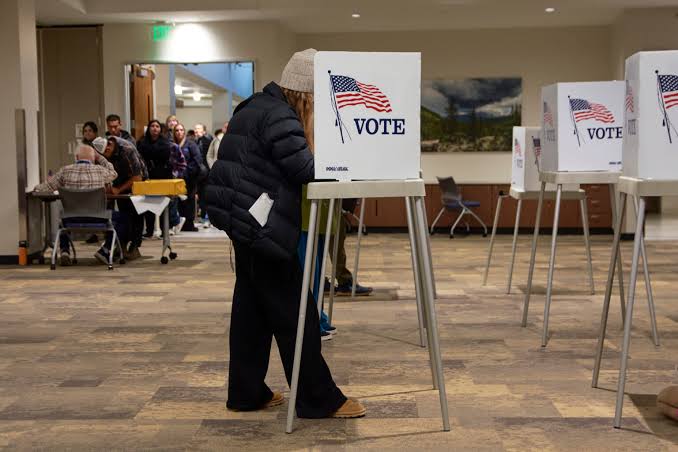
DENVER — Colorado voters have approved a ban on gender transition surgery for minors, one of several ballot measures on sex and gender that passed this week even as Democrats won sweeping victories across the country.
Proposition 135 passed with 52% of the vote, CBS News reported Friday after days of counting. The measure bans gender-affirming surgery of any kind for anyone younger than 18 and bars the use of public money or insurance to pay for such procedures, according to Axios Denver.
A citizen initiative
The measure reached the ballot through a citizen petition drive led by Protect Kids Colorado. The group also backed a separate measure on transgender athletes in school sports. Colorado’s Catholic bishops urged parishes to host signature drives for the initiatives.
Supporters argued that minors are too young to consent to irreversible surgery and that more long-term research is needed on whether the procedures are necessary before adulthood. Some young people later regret such surgeries, they said, and surgery on minors should be considered only when there are no other options.
Opponents argued the ban would delay medically recommended care for transgender youth, who already face harassment and discrimination. They said the decision should be left to families and doctors.
Such surgeries are rare among people younger than 18, and Children’s Hospital Colorado has never performed gender-affirming surgery on minors, according to Colorado Newsline. The hospital took no position on the measure.
Mixed results elsewhere
In Missouri, the only other state with a ballot measure to restrict gender transition care for minors, the proposal failed because it was combined with an abortion ban. About 55% of voters opposed Missouri’s Amendment 3.
Elsewhere, measures limiting transgender participation in sports and other policies affecting transgender minors generally succeeded, according to the Brennan Center’s State Court Report.
“The nationwide blue wave in the midterm election didn’t necessarily carry over to ballot measures on abortion and transgender issues,” KFF Health News reported.
Reaction
Colorado Democrats said the result would not change their support for transgender families. Protests began after the outcome was announced, according to LGBTQ Nation.
Terry Schilling, president of the American Principles Project, which lobbies against transgender medicine for minors, said before the election that the initiatives were the result of an organic grassroots movement.
Lindsey Dawson, director of LGBTQ health policy at KFF, said broader election results suggest that efforts to politicize transgender care may not be as electorally powerful as some had expected.
Opponents of the measure noted that Colorado’s major pediatric hospitals do not perform the surgeries. Supporters countered that a clear legal line would prevent the procedures from being offered in the future and would keep public dollars from paying for them.
What comes next
The measure amends Colorado statutes rather than the state constitution. That means the Democratic-controlled Legislature could, in theory, change it, though lawmakers often hesitate to overturn the direct will of voters.
Legal challenges are also possible. The Supreme Court ruled in 2025 that states may restrict gender transition treatments for minors, a decision that has guided court fights over similar laws across the country.
Colorado joins more than two dozen states that restrict some forms of gender transition care for minors, most of them through legislation rather than a vote of the people.
Colorado is one of a handful of states where voters themselves, rather than legislators, have weighed in directly on the issue, making the result a closely watched test of public opinion.