Data centers go 0-for-21 as Ohio voters back local bans and limits
Nationwide, voters sided against data center development in 40 of 41 local ballot measures, reflecting anger over power bills, water use and tax breaks.


COLUMBUS, Ohio — Ohio voters rejected new data centers nearly everywhere the question appeared on the ballot last week, adding momentum to a grassroots backlash against the artificial intelligence buildout that has spread across the country.
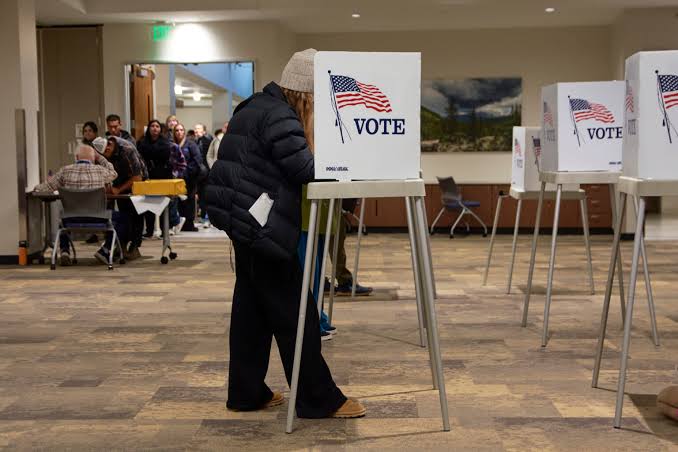
Voters in 18 Ohio municipalities decided 21 local ballot measures on data centers on Nov. 3, more than half of the 41 such measures nationwide. In every case, the outcome restricted or banned the facilities, the Ohio Capital Journal reported.
At least 14 Ohio municipalities passed bans or other restrictions, according to Fortune. In central Ohio, all five communities with data center measures on the ballot voted against them. Communities including Trenton, Pataskala, Granville, Sunbury, Grove City and Ashville backed restrictions, according to unofficial county results.
A national pattern
Across 10 states, voters sided with restrictions in 40 of the 41 local data center measures, according to tallies reported by CNBC. The only exception was Harwood, North Dakota.
Total campaign spending on data center ads during the general election topped $173 million, according to the Latin Times, citing CNBC. Even so, the industry won only one local contest.
Most of the measures, 82%, reached the ballot through citizen petitions rather than being placed there by local governments, according to Ballotpedia. That means residents had to organize and gather signatures to put the questions before voters.
What voters are worried about
Opposition to data centers has been driven largely by concerns about electricity bills, water use, noise, land use and tax incentives for large technology companies. Many residents say they learned of projects only after deals were made.
Ohio already had at least 125 local data center moratoriums in effect before the election. Several of this year’s measures banned data centers that draw more than 25 megawatts of power, while Hubbard voted on a full ban.
The opposition crosses party lines. Farmers, homeowners and environmentalists have joined forces in some communities, and some Republicans have broken with the administration’s push to accelerate construction. Energy Secretary Chris Wright warned developers earlier this year that rural Americans were angry about rising power prices.
Industry response
Technology companies have begun changing their approach. Microsoft ended its use of nondisclosure agreements with local governments and announced commitments on electricity, water, jobs and taxes, according to The Wall Street Journal. Other developers have held open houses to answer residents’ questions.
Developers argue that data centers bring tax revenue that can support schools and local services. In Loudoun County, Virginia, officials say data centers generated $1.2 billion in property tax revenue in fiscal 2026, about 39% of the county budget.
Some developers have also sued local governments that imposed bans or moratoriums, arguing that officials exceeded their authority.
Market jitters
The election results rattled investors. Two days after the vote, the Nasdaq composite fell 5.5%, its worst day since April 2025, as investors weighed whether political opposition could slow data center construction.
President Donald Trump has made AI infrastructure a centerpiece of his economic agenda. He has also backed a pledge from Microsoft to keep consumers from bearing the costs of data center construction.
Results in Ohio are unofficial until county boards of elections certify them later this month.
Local officials say the votes will shape zoning decisions for years. In communities that approved restrictions, any new proposal for a large data center would now face the limits voters set, unless a court overturns them or voters change course in a future election.