

Falling Traffic Deaths Still Leave a Local Safety Test

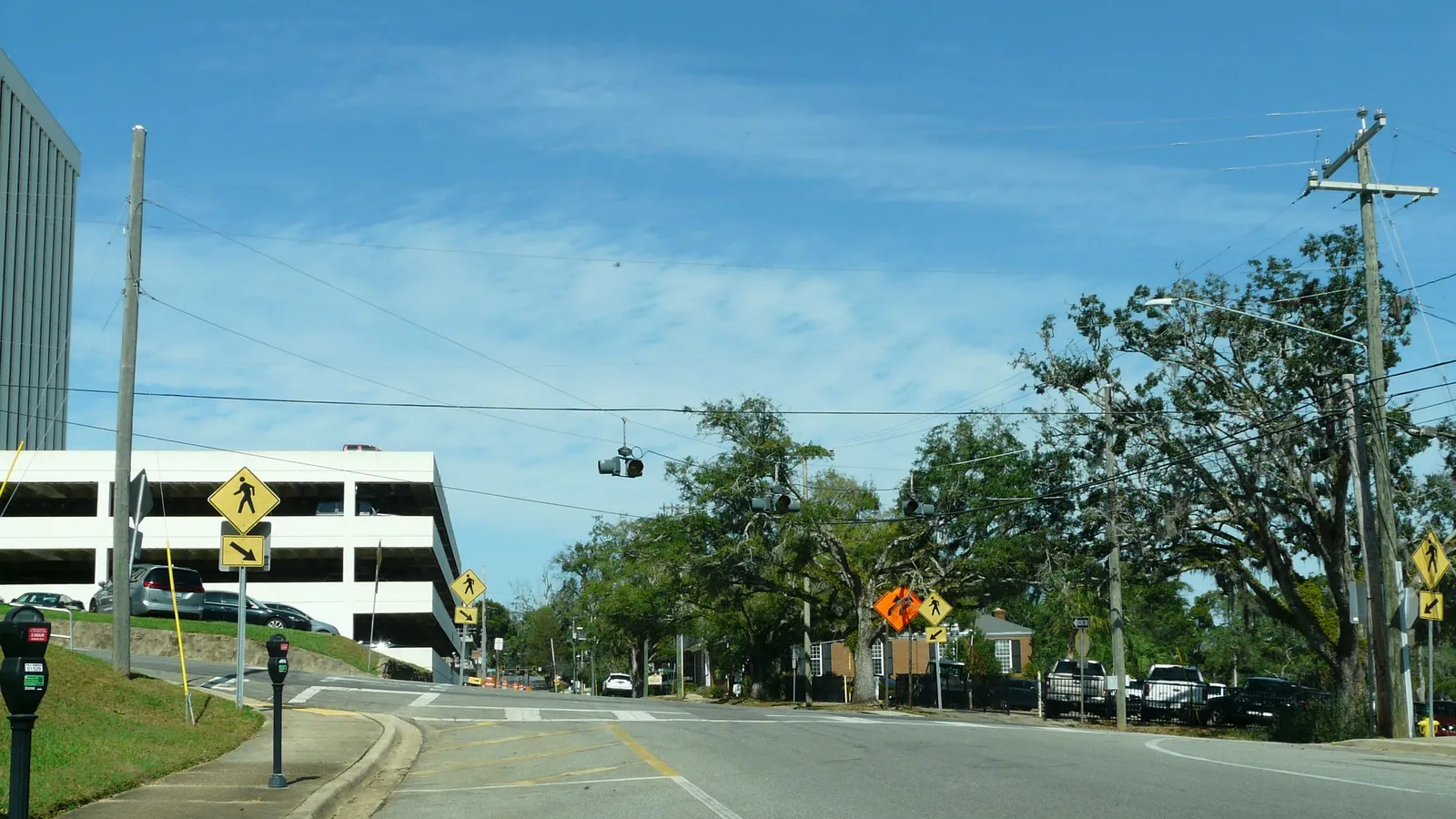
Estimated decline in traffic fatalities in the first half of 2026.
America’s traffic death trend is improving, but the national result does not settle the safety of a particular road. NHTSA’s November 2026 release estimated that fatalities fell 2.5 percent during the first half of 2026 compared with the same period a year earlier. The finding supports continued attention to the local decisions that can make travel safer.
The figures are estimates for January through June, not a final total for all of 2026. The agency reported that travel increased during the period, making the fatality rate a useful companion to the count. Neither measure should be replaced with a broad claim that serious road risk has disappeared or that every state experienced the same change.
Connect the trend to places
A national decline can coexist with a persistent problem at a particular intersection or corridor. Local officials need information about where serious crashes occur and the conditions involved. That assessment should guide the choice of intervention, rather than assuming that the most visible project or the most heavily traveled road necessarily deserves the first investment.
The Transportation Department’s overview of the road safety problem provides context for evaluating the national picture. Local analysis still requires a consistent record of exposure and outcomes. A raw crash count can be informative, but changes in travel, reporting or the surrounding road network can affect comparisons. Decision makers should explain those limitations when presenting a trend as evidence of success.
Different problems call for different responses. Road design, behavior, vehicle characteristics and response arrangements can all enter the discussion. A proposal should identify the risk it intends to reduce and the reason the selected measure fits that risk. A general promise to improve safety is harder to evaluate than a defined change at an identified location.
Implementation also matters. An approved project can take time to design and deliver, while a completed change may require monitoring to establish whether it performs as intended. Public reporting should distinguish those stages. Counting allocated money as though it were already producing safer travel conceals the work that remains between authorization and an operating improvement.
Keep the evidence reviewable
A practical local scorecard can show the project, its intended outcome and the point at which results will be assessed. It should also explain significant changes to cost, scope or timing. The public does not need a guarantee that no crash will ever occur. It needs a credible explanation of why the chosen work is expected to reduce an identifiable exposure.
Before-and-after comparisons should be handled carefully. A short period with fewer crashes can be encouraging without proving that one intervention caused the difference. Analysts need to consider the available time span and relevant changes around the site. Reporting uncertainty openly is more useful than making an early claim that later data cannot support.
Maintenance deserves a place alongside new construction. A feature intended to improve safety must remain visible, functional and understandable. The owner should know who checks it and how problems are corrected. A project that performs well at completion can lose value if routine responsibilities are unclear or not sustained.
Communications should also recognize the different people using a road. Drivers, pedestrians and other users may experience the same location differently. An assessment that considers only one group can overlook an important consequence of the chosen design. The objective is a workable improvement grounded in the actual setting.
The first-half estimate is welcome evidence of national progress. The next test is local: identify persistent risks, select measures that fit them and report results with consistent definitions. That approach can preserve momentum while keeping attention on the people who still depend on safer daily travel.