

Flood Risk Belongs in the Full Cost of Housing

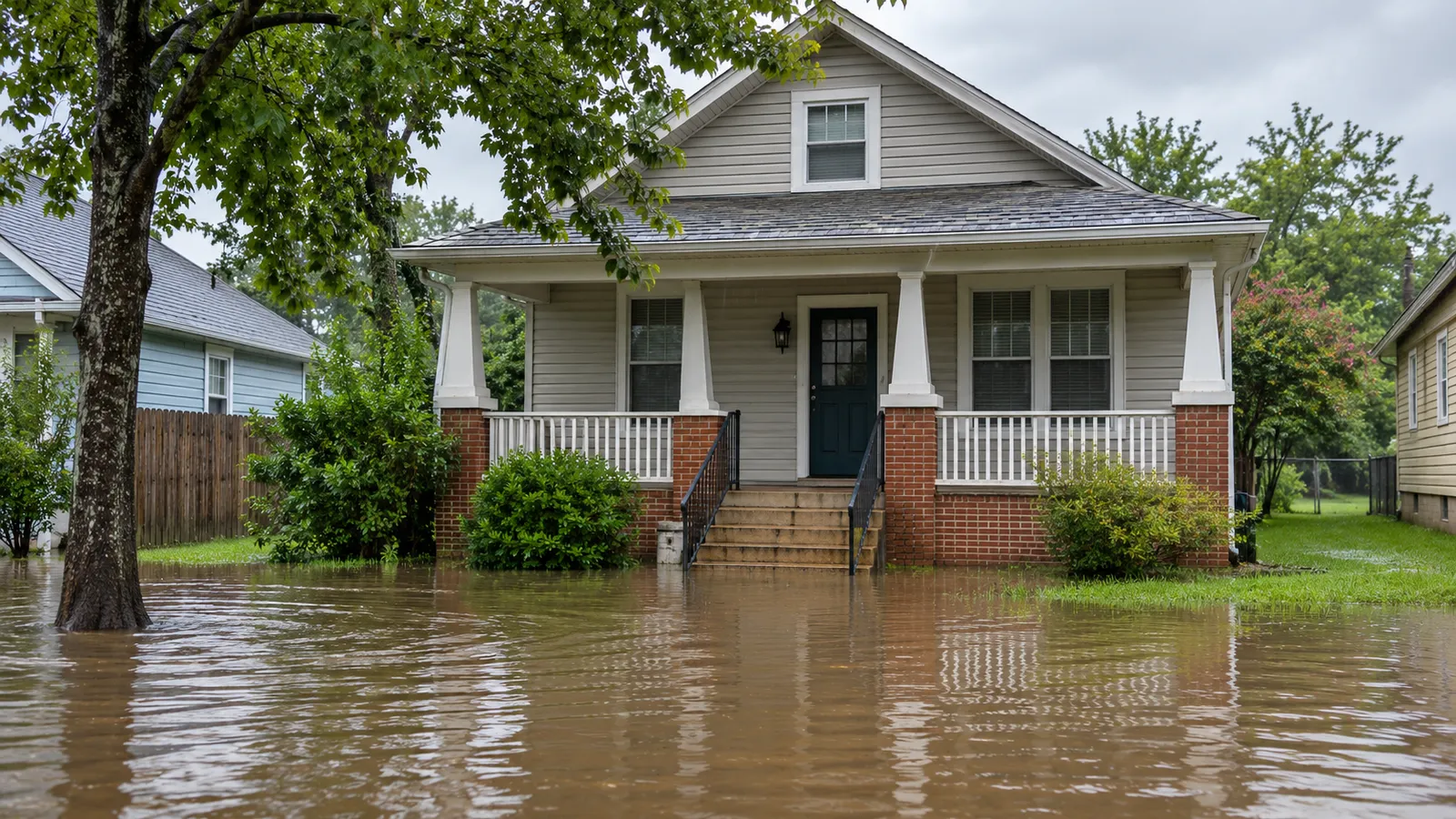
Potential damage from an inch of floodwater, an illustrative estimate.
Flood exposure can change the real cost of owning or occupying a home. The National Association of Insurance Commissioners’ flood information, citing FEMA, notes that even an inch of water can cause around $25,000 in damage. That is an illustrative estimate rather than a promise about any particular property, but it shows why flood risk deserves attention before a disaster.
Actual damage depends on the building, the materials affected and the circumstances of the flood. The estimate should not be read as an average claim, a guaranteed repair bill or a forecast for a particular neighborhood. Its value is to make a small depth of water easier to understand as a potentially significant property exposure.
Understand the full housing cost
A purchase price or monthly rent does not capture every cost associated with a home. Exposure to flooding can affect repair obligations, disruption and the arrangements needed to manage a loss. A responsible affordability discussion should make those considerations visible rather than treat them as separate issues that matter only after a household has moved in.
The National Flood Insurance Program’s policy information describes building and contents coverage as distinct forms of protection. That distinction illustrates why a general statement that a property is insured may leave important questions unanswered. The actual policy terms, coverage limits and circumstances of a loss determine what protection is available.
For communities, the infrastructure question includes drainage, land-use decisions and the ability to maintain existing systems. A new development may change the demands placed on local assets. Officials should establish which obligations belong to the developer and which remain with the public, with realistic information about future upkeep rather than a one-time construction promise.
Risk communication needs precision. A map category is useful information, but it should not become a casual assurance that flooding is impossible outside a designated area. Residents need understandable explanations of the available evidence and its limits. That is especially important when the information is being used to make long-lived decisions about property or public investment.
Connect spending with reduced exposure
A proposed mitigation project should identify the problem it addresses and the households or assets expected to benefit. Construction cost alone does not establish value. The assessment should compare credible alternatives and explain how the selected work changes the relevant exposure, while acknowledging uncertainty about future conditions and the limits of the project.
Maintenance responsibility belongs in that comparison. A drainage improvement that depends on regular inspection or clearing needs an owner with the capacity to do it. Otherwise the expected benefit may fade as the asset deteriorates. Public bodies should explain the continuing obligations and how they will be financed after initial support has been spent.
Households also need clear information about where authoritative assistance is available. Coverage questions belong with the relevant insurer or qualified adviser, while local officials may hold information about drainage and planning. Those roles should not be blurred. A broad public awareness campaign cannot determine the appropriate coverage or repair strategy for an individual property.
After a flood, reporting should distinguish damage estimates, insurance claims and public assistance. These figures describe different things and may overlap. Combining them without explanation can misstate the cost of an event or the resources available for recovery. Consistent definitions make it easier for residents to follow what has been assessed, funded and actually completed.
The illustrative damage figure is a reason to take exposure seriously, not a substitute for property-specific information. A stronger housing and infrastructure debate would connect risk, coverage and maintenance responsibilities before losses occur, giving residents a clearer view of the full obligations attached to a place to live.