

Dam Safety Depends on Inspections and Clear Ownership

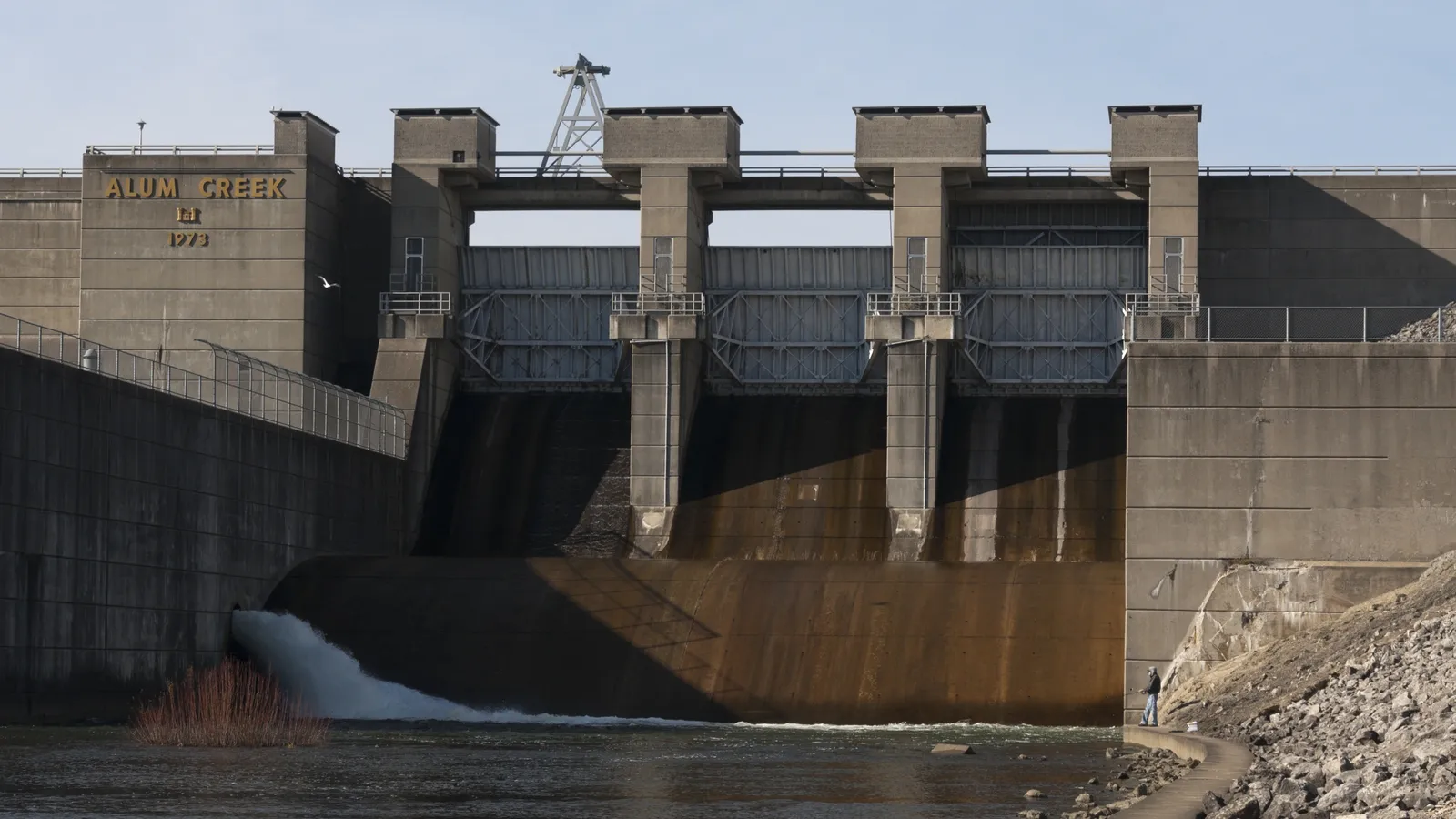
Dams in the national inventory as cited by GAO.
Dam safety starts with a basic management question: who is responsible for knowing the condition of the structure and acting when a problem appears? A Government Accountability Office review of watershed dams cited more than 92,000 dams in the national inventory as of April 2025. That scale makes consistent inspections and clear ownership essential parts of infrastructure policy.
The national count is not a count of failing dams. Nor does a high-hazard classification automatically mean a structure is in poor condition. Hazard classifications concern the potential consequences of failure. Condition and failure probability require their own evidence. Confusing those concepts can cause unnecessary alarm while making it harder to identify the structures that actually need urgent work.
Separate condition from consequences
A useful public record should identify the owner, the current condition assessment and the consequences that matter for nearby communities. The National Inventory of Dams provides a starting point for understanding these assets. Local decisions still require current engineering information and a clear explanation of what the available records do and do not establish.
A dam can serve several purposes, including water supply, flood management, recreation or power production. Those uses influence the options available when repairs become necessary. Maintaining a structure, changing its operation or considering removal are different choices. Any comparison should identify the service affected, the responsible parties and the costs that continue after the initial work.
The GAO review concerns a specific federal watershed program, rather than a complete engineering assessment of every dam in the country. Its relevance extends to a familiar public management problem: programs need reliable records, inspections and follow-through. A requirement on paper is of limited value if nobody can show whether the identified deficiency was corrected.
For elected officials, the first spending question should be precise. What problem has the proposed repair been designed to address, and how was it identified? A broad description of aging infrastructure does not answer whether the selected work reduces the most important risk. The project case should connect engineering findings to a defined operational or safety outcome.
Make responsibility survive the award
Repair funding should come with a credible account of delivery. The owner needs access to appropriate expertise, realistic cost estimates and arrangements for inspection during construction. If responsibility is shared among agencies or local bodies, the boundaries should be explicit. Otherwise each organization may assume that another is checking an important part of the work.
Emergency planning deserves similar attention. A plan should remain usable when staff change or communications fail. Public bodies can ask how information will reach affected communities and how the plan is kept current. The question is whether responsible people can act on it, rather than whether a document exists in a filing system.
Long-term maintenance also belongs in the funding decision. A repaired structure still needs observation, records and future work. A project that restores an asset without establishing how those obligations will be met can recreate the same problem. Public support is easier to defend when the owner has demonstrated the capacity to preserve the improvement.
Reporting can stay simple without concealing important detail. Identify completed inspections, unresolved findings and the status of funded corrective work. Explain significant changes and delays in ordinary language. Communities should be able to distinguish an inspection finding under review from a confirmed problem awaiting repair.
America’s dam inventory is large and varied. A responsible approach does not treat every structure as an emergency or every repair request as self-justifying. It establishes condition, consequences and ownership, then directs attention and resources toward work that can demonstrably improve safety and dependable operation.