

Drinking Water Repairs Need a Plan Beyond the Funding Announcement

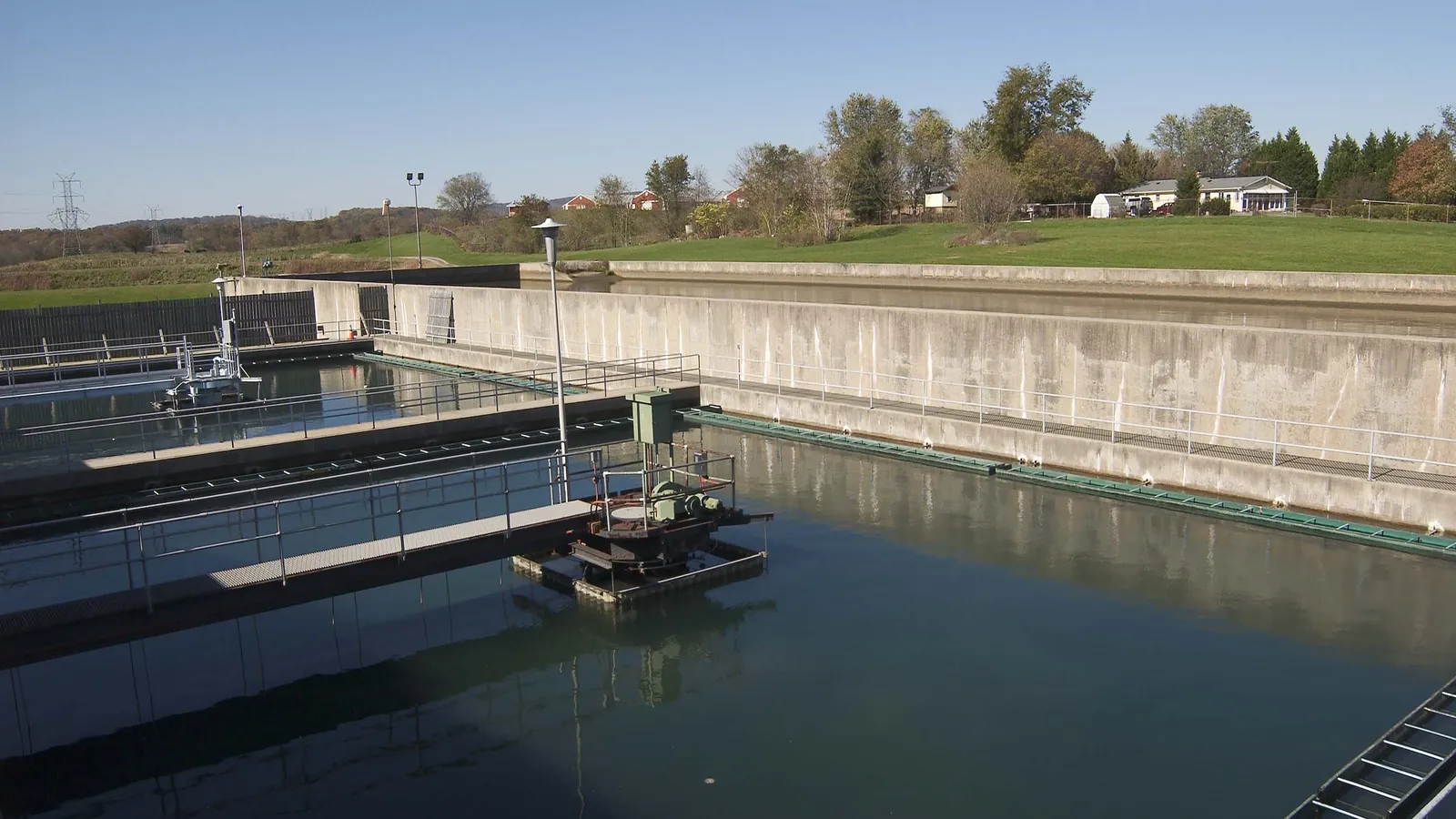
A 20-year infrastructure needs estimate, not one annual bill.
America’s drinking water debate often begins with a funding announcement. The more useful starting point is the condition of the pipes, pumps and treatment systems that customers rely on every day. EPA’s seventh infrastructure needs assessment estimated $625 billion in eligible drinking water investment over 20 years. That finding supports sustained planning, with a clear account of what each project buys.
The estimate is a planning measure drawn from an earlier survey, not a new bill arriving in 2026. It does not mean every system needs immediate replacement, or that Washington must finance every dollar. Using a long-term national figure as an annual funding demand would obscure the local decisions that determine whether repairs are economical and necessary.
Begin with the assets
A utility seeking additional support should explain which assets need work, what happens if they fail and how their condition was established. Replacing a vulnerable main that serves a hospital or industrial district may deserve priority over a more visible project elsewhere. The strongest case connects engineering evidence with the consequences for customers, rather than relying on the age of infrastructure alone.
Costs also need a common basis. A construction estimate, a financing plan and a household rate forecast answer different questions. Officials should identify which costs include design, land, contingencies and future operation. Residents cannot compare competing proposals fairly if one includes the whole project while another presents only the first construction contract.
The EPA overview of water infrastructure needs places drinking water alongside other public water obligations. Communities still have to maintain distinct budgets and responsibilities. A drinking water pipe renewal program should not quietly become a catchall explanation for unrelated spending. Clear scopes help managers explain changes and make it easier for elected officials to challenge weak proposals.
Planning also requires attention to the people who operate the system. A new facility is useful only if its owner can staff, inspect and maintain it. Procurement choices should therefore consider equipment access, replacement parts and training. A low initial bid can create expensive dependence on an unusual component or service contract that nobody assessed when approving construction.
Make the commitment reviewable
Before awarding money, public bodies can require a realistic delivery schedule, a named project owner and an explanation of the alternatives considered. Repair, replacement and operational changes should be compared where technically appropriate. The purpose is to establish why the proposed investment is the best available use of customer and taxpayer resources.
Progress reports should then describe completed work and the service it protects. The number of contracts awarded is less informative than whether a vulnerable asset has returned to dependable operation. When a project changes, managers should disclose the reason, revised cost and effect on the promised outcome. Those explanations can distinguish legitimate complications from avoidable management failures.
Local ratepayers also deserve to understand who benefits and who pays. A project serving existing customers has a different rationale from one primarily enabling development. Public support may be justified in either case, but the allocation should be explicit. Otherwise existing households can absorb costs that were never clearly debated when the project was authorized.
The national estimate establishes the scale of a long-term responsibility. It does not remove the need to assess individual investments. A credible drinking water agenda would turn broad concern into an ordered repair program, with dependable cost information, visible delivery milestones and a maintenance plan that survives the ribbon cutting.