

Wastewater Needs Put Maintenance Back in the Budget Debate

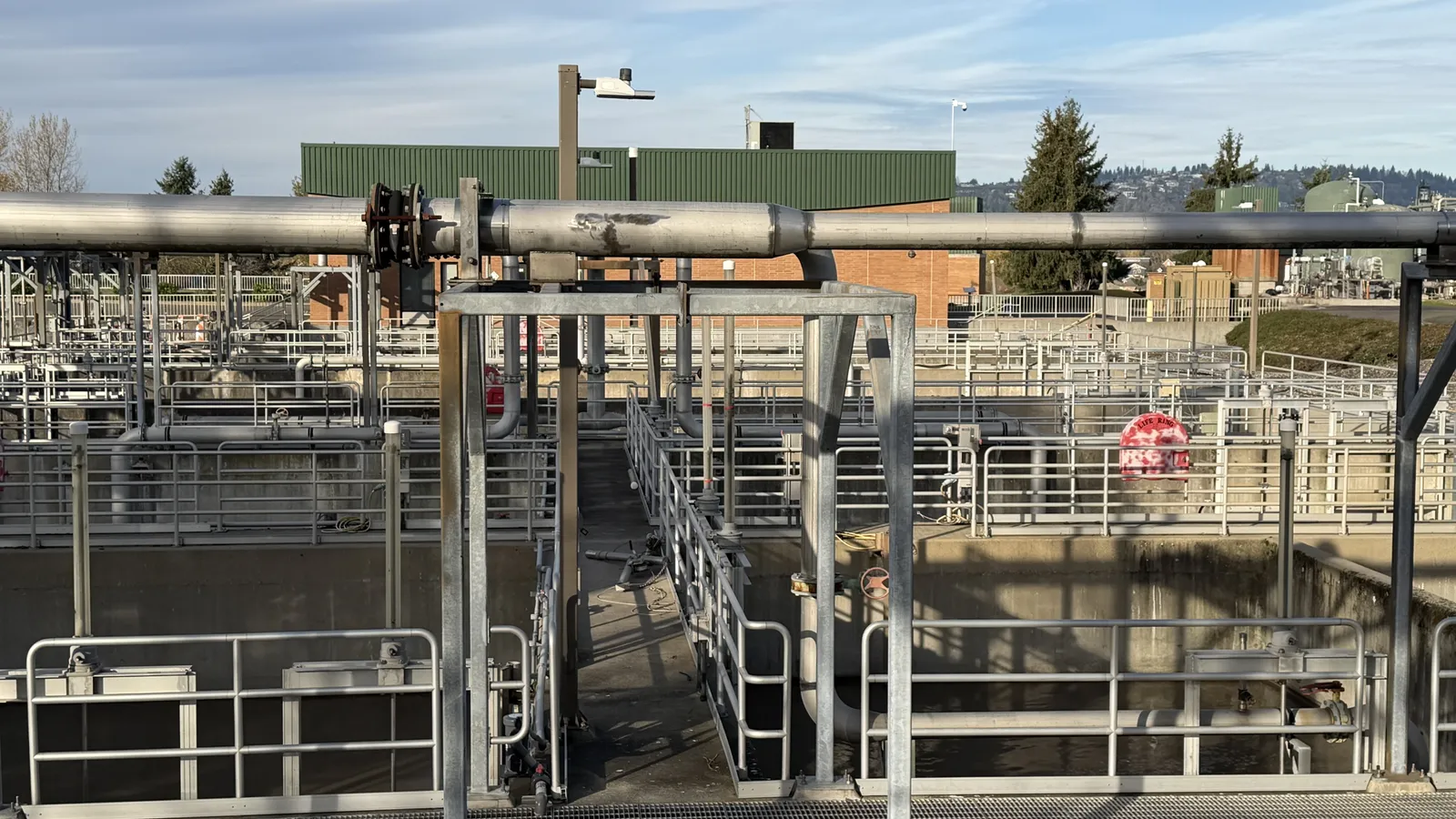
Reported clean water capital needs over 20 years.
Wastewater infrastructure rarely attracts attention until a system fails or a construction bill reaches local government. EPA’s 2022 Clean Watersheds Needs Survey, released in 2024, reported at least $630 billion in capital needs over the following 20 years. The scale makes a strong case for disciplined maintenance and project selection, rather than treating every funding announcement as proof that the underlying problem is being solved.
The estimate covers several kinds of clean water infrastructure. It should not be described as a single backlog at sewage treatment plants, an annual spending requirement or a count of unpaid bills. Surveyed investment needs also do not establish that every proposed project lacks financing. Those distinctions matter when national totals enter a local budget debate.
Compare like with like
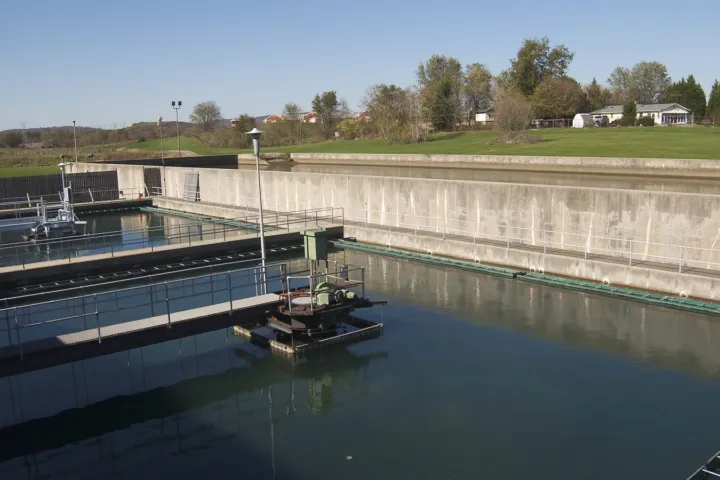
A community may face treatment equipment replacement, sewer repairs, stormwater work and decentralized system needs at the same time. Each requires a defined scope and an explanation of the condition it addresses. Combining everything under one large infrastructure label can hide the difference between preserving basic service and adding capacity for future growth.
The financing choice needs equal clarity. A grant changes who supplies part of the capital, but it does not eliminate future operating costs. A loan changes the timing of payment. Neither arrangement automatically makes a project good value. Managers should show the resulting maintenance obligations, staffing requirements and effect on the customers responsible for sustaining the system.
A Government Accountability Office review of the needs estimate and funding formula highlights the importance of reliable information when distributing public resources. For local officials, the lesson is practical: incomplete asset records and inconsistent estimates can weaken decisions before construction begins. Better documentation can improve the quality of both funding applications and the projects that ultimately receive approval.
Smaller communities should not be judged only by the polish of their submissions. Technical assistance can help them establish credible scopes and cost estimates. That assistance should produce usable engineering and management information, with a clear owner and purpose. Paying for another plan has limited value if the same deficiencies prevent the community from acting on it.
Budget for the whole service
Public discussion should cover the relationship between construction and routine upkeep. Deferring a repair may avoid a near-term expense while increasing uncertainty later. Yet early replacement is not automatically economical either. A utility needs evidence about condition, failure consequences and realistic repair options before choosing where to spend scarce funds.
Procurement should allow meaningful comparison between alternatives. A bid that appears cheap may exclude connection work, equipment commissioning or necessary operator training. Those omissions can make the original budget misleading. Decision makers should ask whether competing estimates include the same tasks and whether the successful contractor’s obligations are clear enough to enforce.
Accountability after the award can remain straightforward. Publish the intended outcome, the expected completion date and changes to the approved cost. Explain whether delays affect service, future expenses or other scheduled work. Residents should be able to follow a project without interpreting a stack of technical documents or waiting for an emergency to discover what was missed.
The same discipline applies to the final handover. A completed facility needs operating instructions, inspection arrangements and responsibility for defects. Funding a new asset while leaving its owner unable to maintain it simply creates another future liability. Management capacity belongs in the project assessment from the beginning.
The survey gives policymakers a serious national benchmark. The next step is local and specific: establish which assets need attention, compare credible options and make the ongoing cost visible. Wastewater investment becomes easier to defend when the public can see a direct connection between spending decisions and reliable service.