


Transformer Shortages Make Equipment Planning an Energy Priority

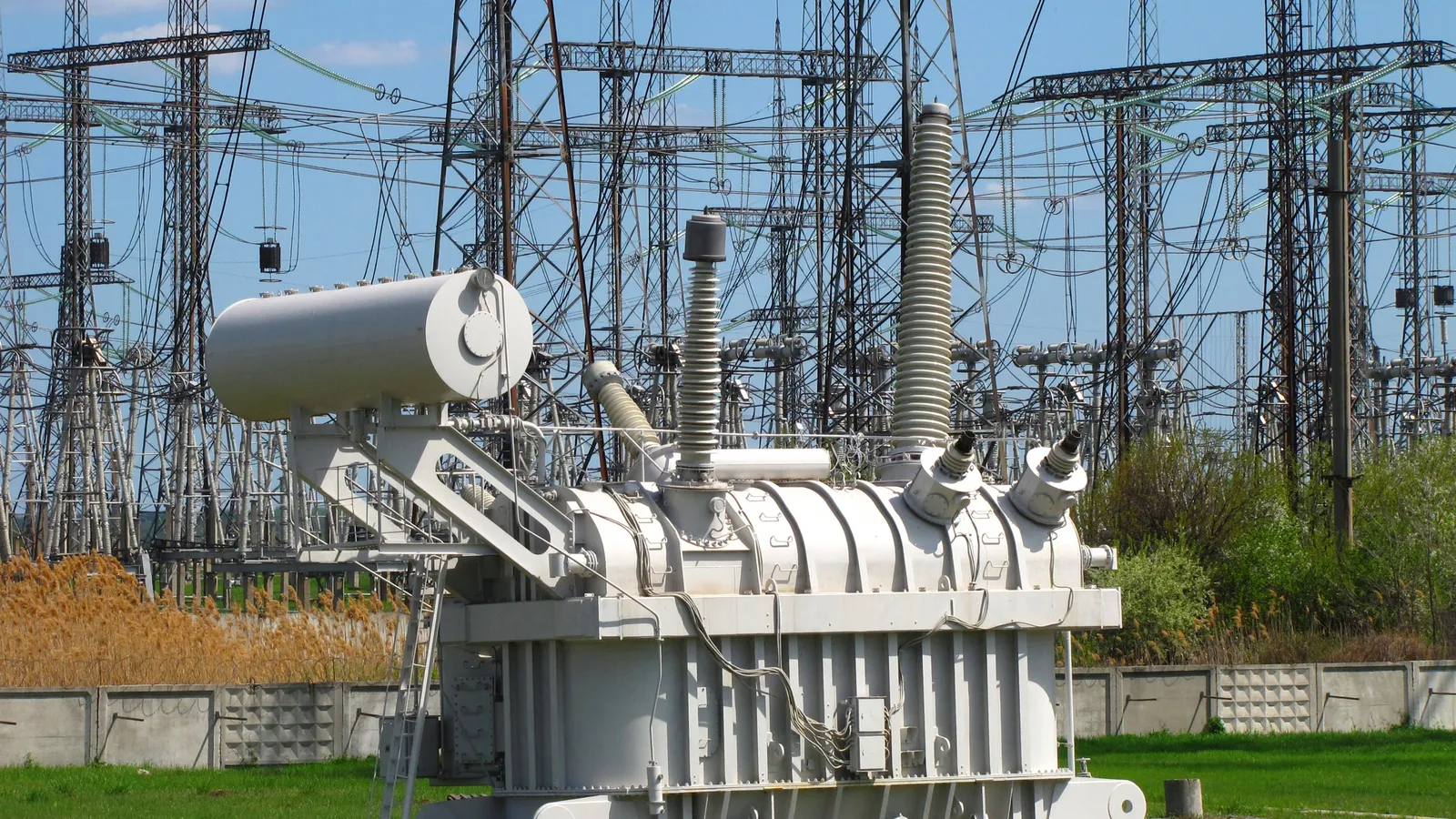
Increase in distribution transformer demand since 2019, DOE reports.
The electric grid depends on equipment that receives far less attention than power plants. Distribution transformers are one example. In its distribution transformer webinar, the Department of Energy reported that demand had increased 41 percent since 2019 and described order lead times of one to two years or longer in 2024. The figures explain why equipment procurement belongs near the beginning of an energy project.
Those historical lead times are not a quote for an order placed today. Different transformer designs, suppliers and contracts can produce different delivery schedules. Treating an older national description as a guaranteed current wait would be misleading. The practical lesson is to obtain project-specific information early and update it as the design becomes firm.
Standardization has economic value
A utility can face a supply problem even when manufacturers are expanding. Equipment must meet the application, and local specifications may limit which products can be used. A long list of preferred configurations can reduce interchangeability. Reviewing those requirements is therefore a procurement issue as well as an engineering exercise, provided that safety and technical performance remain protected.
For a factory, housing development or commercial expansion, the relevant question is whether the necessary electrical equipment can arrive when the rest of the site is ready. Delays can strand completed work. Project schedules should identify the transformer as a distinct dependency, with responsibility for specification, ordering, delivery, testing and installation clearly assigned.
DOE’s October 2026 review of equipment supply solutions describes work on alternatives, materials and refurbishment. These efforts should be assessed against the same practical standard as conventional procurement: whether a proposed option meets the actual duty, can be supplied reliably and has a support arrangement that the eventual operator can sustain.
Refurbishment may be appropriate in some circumstances, but it should not become a blanket answer to a shortage. Condition, testing, remaining useful life and compatibility need evaluation. Equally, a preference for new equipment should not prevent an operator from considering a qualified alternative. The choice belongs in a documented technical and commercial comparison.
Make delivery part of accountability
Publicly supported projects should identify important equipment risks before announcing an ambitious completion date. A project with a permit and a funding award may still lack an order for a critical component. Reporting that distinction would help residents and businesses understand why the development schedule remains uncertain and who is responsible for resolving it.
Manufacturing announcements also need careful interpretation. A new plant represents potential capacity. Useful deliveries depend on commissioning, workforce capability, qualified inputs and customer acceptance. Policymakers evaluating industrial support should ask when equipment becomes available to customers, rather than counting planned floor space as though it were already an operating supply chain.
Utilities and suppliers have reasons to improve demand visibility. A consistent description of expected requirements can help manufacturers plan production. Customers, in turn, need realistic specifications and delivery commitments. Neither side benefits when preliminary requirements become firm promises before the design and procurement work has been completed.
For ratepayers, the issue is the full cost of dependable service. Holding spare equipment can tie up capital, while carrying too little may increase exposure to disruption. That balance should reflect the system’s needs and the availability of replacements. Simple slogans about minimizing inventory or maximizing domestic production cannot settle it.
Transformer availability makes the grid’s industrial foundation visible. Better purchasing discipline, sensible standardization and credible delivery milestones can help convert energy ambitions into functioning connections. The important result is equipment installed and operating when customers need it, with its cost and reliability obligations understood.