

Latin America Trades Just 14% of Exports Within the Region

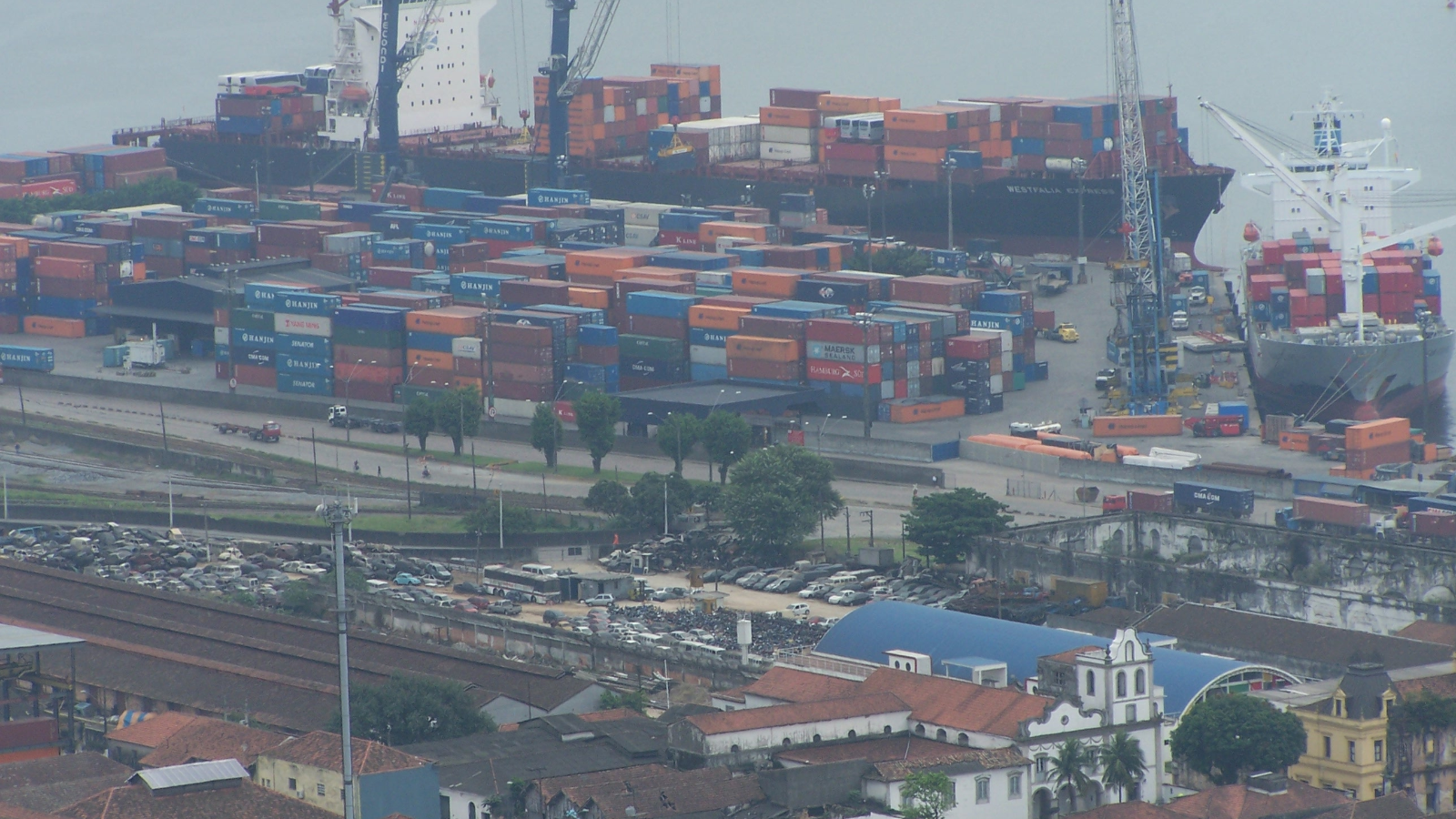
A new OECD-led outlook sees an opportunity to turn regional infrastructure and supply chains into higher-value economic growth.
Latin America and the Caribbean have major strengths in renewable energy, minerals and agriculture but remain less commercially connected to their neighbors than many other world regions, according to a new international economic outlook.
The Latin American Economic Outlook 2026, prepared by the OECD, ECLAC, CAF and the European Commission, finds that intraregional exports represented only 14% of the region’s total exports in 2024. The corresponding shares were 59% in Asia and 67% in the European Union.
The disparity matters because nearby markets can help firms grow, specialize and develop supplier networks before competing at a global scale. Weak internal links may leave countries dependent on a narrower set of external buyers and commodities.
Significant resources, limited processing
The report notes that 64.3% of the region’s electricity came from renewables in 2024, compared with a global average of 31.9%. Latin America and the Caribbean also hold substantial lithium and copper reserves.
Yet resource availability does not automatically translate into higher-value manufacturing. The region processes only about 20% of extracted minerals locally, excluding lithium, according to the report’s measure.
Industrial upgrading requires reliable electricity, technical skills, transport links and customers capable of sustaining more sophisticated production. A mine or renewable plant may attract capital without creating the supplier networks needed for wider economic development.
Trade below its potential
The outlook estimates that intraregional trade remains about six percentage points of GDP below its structural potential. It also suggests that 10% of intermediate inputs now imported from outside the region could be supplied regionally.
That opportunity is not a prediction that substitution will happen automatically. Companies must find suppliers that meet quality, volume and cost requirements. Borders, customs procedures and inconsistent product standards can complicate seemingly straightforward business relationships.
Regional power markets, digital infrastructure and compatible financial systems could lower some of those barriers. But cooperation needs reliable agreements governing investment, operation and dispute resolution.
Diversifying global partnerships
Latin American exports have become more important to the world economy, while the region remains insufficiently diversified. Resource-based goods and low-technology manufactures account for 62% of merchandise exports, the report finds.
The OECD identifies underdeveloped trade relationships with ASEAN and Africa as possible opportunities. Those markets bought only 2.9% and 1.7% of Latin America’s goods exports in 2024, respectively.
Foreign direct investment may help connect regional firms to new customers, but the quality of investment matters. A large factory employing few local suppliers can generate a different development outcome from a project that transfers skills and creates domestic value.
Integration as industrial policy
The report recommends stronger cross-border infrastructure, regional value chains and practical coordination of standards. Development banks may support projects that individual governments or firms struggle to finance alone.
Progress should be measured through faster border processing, domestic value added and competitive products, not simply announcements of new trade initiatives.
Latin America’s assets are considerable. The latest outlook argues that the next opportunity lies in connecting them more effectively—within the region and beyond.
Small and medium-sized enterprises may benefit particularly from simpler regional rules because they have fewer resources to manage customs paperwork and multiple technical standards. Shared digital trade systems could reduce delays, but participating governments must invest in reliable administration and maintain protections against fraud and unsafe products.