

An Aging Farm Workforce Makes Succession a Business Issue

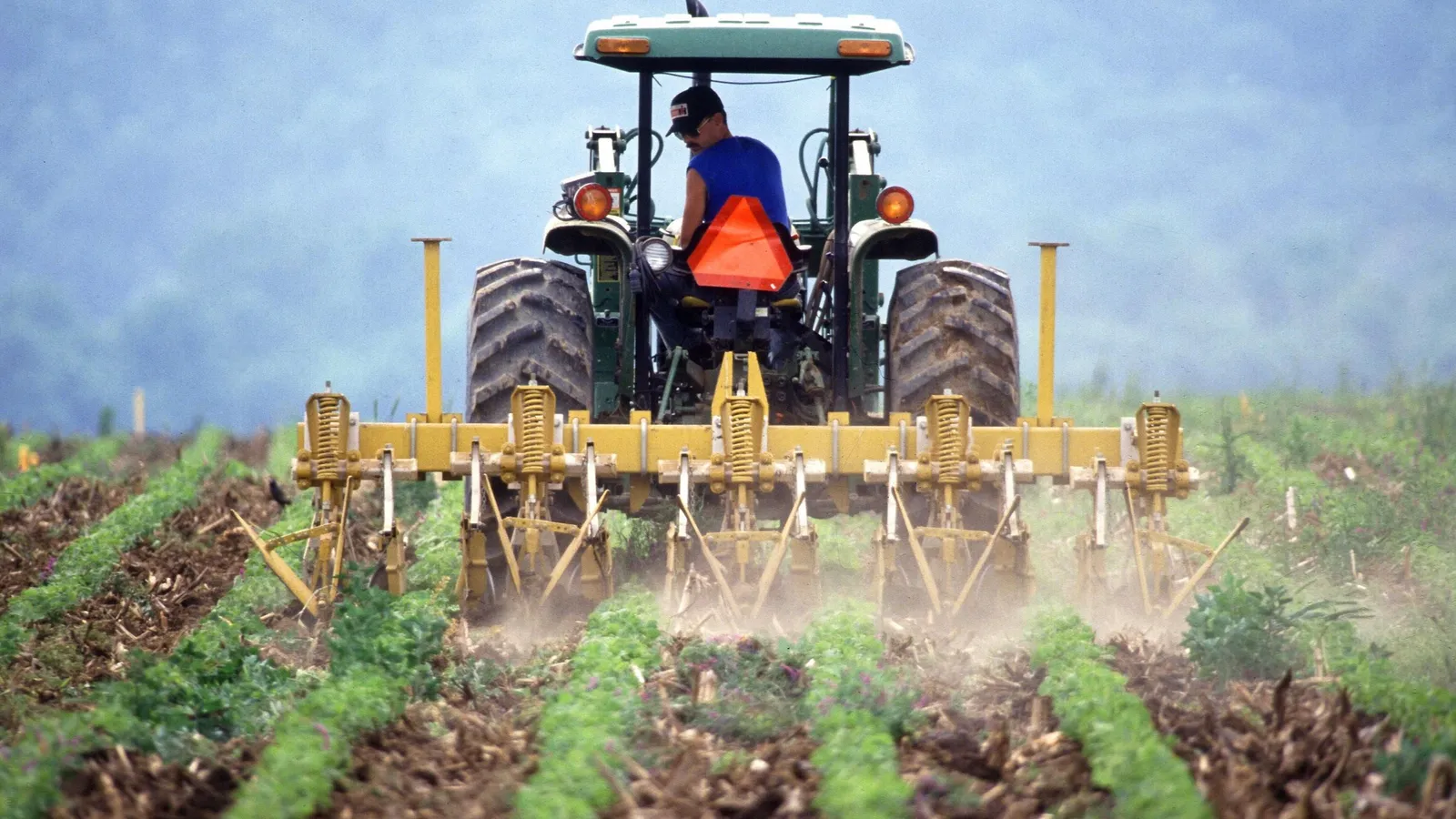
Average age of U.S. agricultural producers in the 2022 census.
The future of American farming depends partly on who can take over an operating business when its current managers step back. The USDA release of the 2022 Census of Agriculture put the average age of all agricultural producers at 58.1 years. That is a useful signal for succession planning, provided it is not turned into a claim that the entire workforce is about to retire.
The figure is an average from the 2022 census, not a new estimate of farmer age in 2026. It also covers producers rather than a count of farms. Several people can be involved in one operation. Understanding the unit matters when demographic data are used to discuss land transfer, rural employment or the number of businesses that may change hands.
Treat succession as an operating problem
A farm succession is more than a property transaction. The business may depend on technical knowledge, customer relationships, equipment arrangements and decisions made throughout the production cycle. A transition can preserve those capabilities only if the people taking responsibility have enough information and authority to run the operation, rather than merely inherit its assets.
USDA’s producer demographics summary also describes beginning producers. That broader view is important because an aging average can coexist with new entrants. The policy question is how capable operators gain access to a workable business, not whether one age group should simply replace another. Different entrants may need different combinations of experience, equipment and commercial relationships.
Access to land is only one constraint. A new producer also has to manage operating costs and uncertainty before revenue arrives. Owning an asset does not guarantee that the business built around it can sustain itself. Programs designed to help entrants should identify the obstacle they address and avoid treating every applicant as though the underlying economics were the same.
Existing owners face decisions about timing and control. Delaying a transition may preserve familiarity but leave the next operator with too little practical preparation. Moving too quickly can create a different set of problems. Those choices belong to the people involved, supported by appropriate professional advice and a clear understanding of the business being transferred.
Build useful local support
Rural institutions can help by making practical information easier to obtain. Training connected to an actual operation, access to reliable records and opportunities to learn from experienced producers can have value. The test is whether the support improves the ability to operate a viable farm, rather than simply increasing attendance at a succession seminar.
Public programs should also distinguish business continuity from preservation of a particular ownership arrangement. An operation may remain productive under several forms of transfer or management. The relevant outcomes include responsible stewardship, dependable production and a workable commercial future. A broad demographic concern does not establish which arrangement is appropriate for an individual family or enterprise.
Local economic development efforts need that same realism. A region can promote opportunities while still acknowledging equipment costs, labor availability and access to markets. Encouraging someone to enter farming without a credible account of those requirements can increase exposure rather than solve it. Support is stronger when it helps applicants assess the whole enterprise.
Measurement should follow what happens after assistance is provided. Did the transition occur, did the business continue operating and did participants gain the capability the program promised? Those questions are more informative than counting plans prepared or introductory meetings. They also help distinguish a useful service from one that mainly produces paperwork.
The average age is a reason to prepare, not a countdown to a uniform crisis. A serious farm succession agenda would help experienced owners and capable entrants make orderly transitions, while keeping the commercial and operational requirements of the underlying business at the center of the discussion.