

LNG Export Growth Raises the Stakes for Reliable Delivery

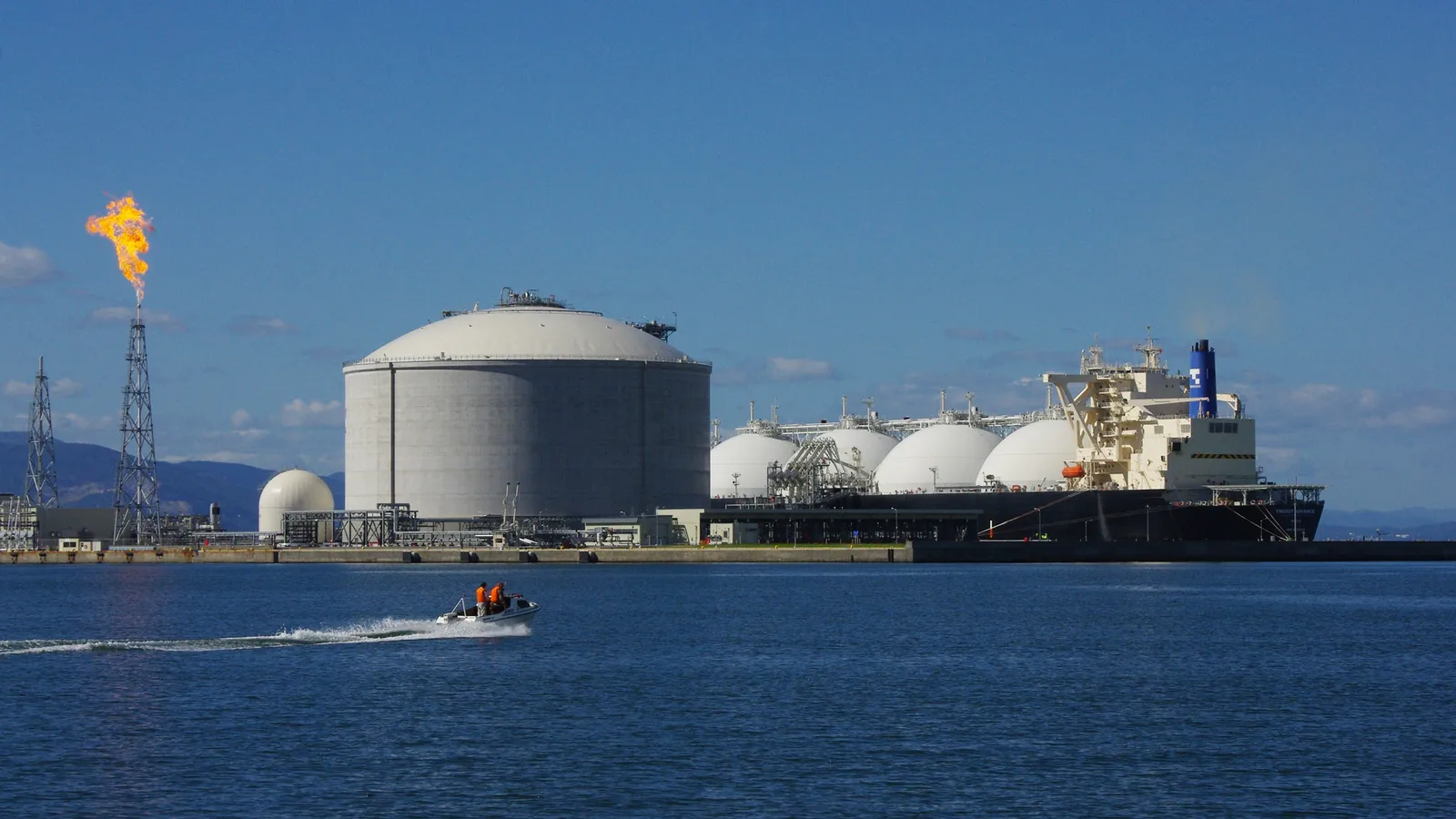
Billion cubic feet per day of U.S. LNG exports in 2025.
American liquefied natural gas has become a larger part of the international energy system. An Energy Information Administration review of 2025 LNG trade reported U.S. exports averaging 15.1 billion cubic feet per day, up 26 percent from 2024. The expansion raises the value of dependable production, transport and terminal operations, while making delivery performance more important than announced capacity alone.
The figure measures actual exports during 2025. It should not be described as current terminal capacity or a guarantee of future shipments. Forecasts answer a different question and change with market conditions. Keeping those categories separate helps readers understand why a large project announcement may not immediately translate into gas delivered to an overseas buyer.
Assess the whole route
An LNG facility depends on the wider system around it. Gas must reach the terminal, equipment must operate and ships must be available on usable terms. A constraint in one part of that route can limit the value of capacity elsewhere. Evaluating a project therefore requires more than comparing the nameplate sizes of competing terminals.
The EIA natural gas outlook distinguishes historical figures from forecasts. That distinction matters when export plans are used to justify pipelines, financing or public commitments. A planning assumption can be useful without being certain. Decision makers should explain which assumptions drive the project and how a different outcome would affect its economics.
For buyers, supply security is a question of continuity as well as volume. Contract terms, shipping arrangements and operational reliability influence whether a supplier can meet the intended need. A promise of additional output does not automatically resolve every exposure in the buyer’s portfolio. The relevant comparison includes the delivery route and the alternatives available if it is interrupted.
For producing communities, the assessment is more local. Construction can create opportunities while also requiring public services and infrastructure. Officials should identify which costs the developer bears and which may fall to residents. Those questions are easier to resolve before commitments become difficult to reverse than after construction has generated expectations about future revenue.
Make commercial progress visible
A development timeline should separate permitting, financing, construction, commissioning and sustained operation. These stages involve different risks and responsibilities. Public statements that collapse them into a single completion claim can leave readers with the impression that a facility is ready to supply customers when important work still remains.
The same discipline applies to capacity expansion at an existing site. Additional equipment needs to fit the operating system around it. Commissioning and dependable performance should be visible milestones. A short burst of output can demonstrate progress without establishing that a facility has reached the level of sustained service anticipated in its commercial plans.
A market-oriented energy policy can support predictable decisions and enforceable obligations without assuming every proposed project is economical. Developers still need to demonstrate demand, financing and operational capability. Where public resources are involved, the benefit should be specific enough to assess after the project is built, with responsibility for costs clearly allocated.
Domestic effects also deserve careful treatment. Export growth, production and local prices are connected through a complex market. A single annual export statistic cannot establish the cause of a particular household bill. Claims about consumer impacts should identify the mechanism and evidence, rather than moving directly from a larger export total to a sweeping conclusion.
The 2025 expansion shows the scale of America’s LNG role. Its lasting value will depend on projects that can deliver reliably, manage their obligations and compete under changing conditions. Those operating results provide a stronger foundation for energy influence than a growing list of proposed terminals.